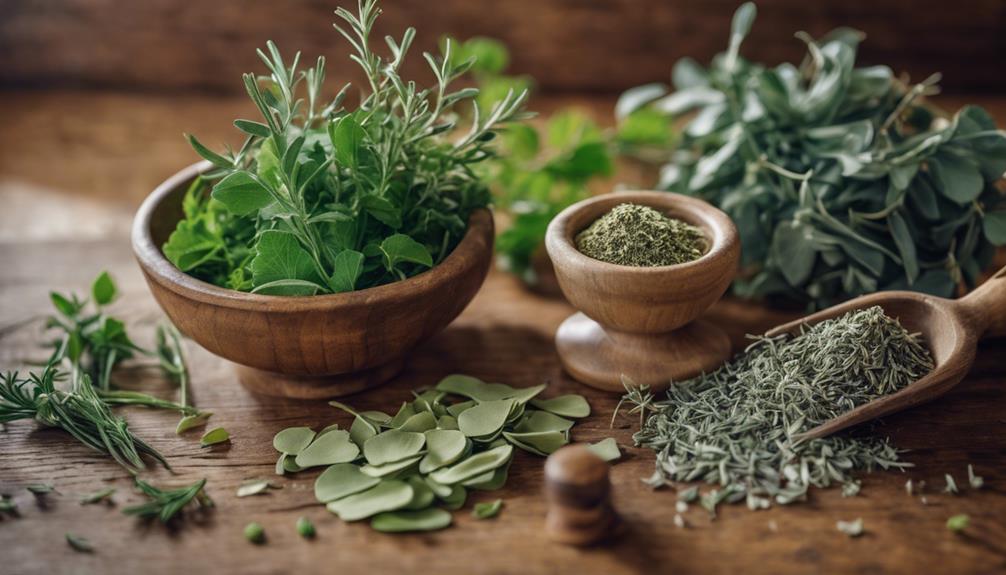

To naturally ease seasonal depression and boost your mood during winter, consider herbs like St. John’s Wort for uplifting serotonin levels, or Saffron for emotional balance. Aromatherapy with lavender can promote relaxation, while adaptogens like Rhodiola and Ashwagandha help reduce stress and increase energy. Herbs such as lemon balm, passionflower, ginseng, and valerian support sleep, calm nerves, and enhance resilience. Keep exploring to discover how these herbs can work together for your well-being.
Key Takeaways
- Herbs like St. John’s Wort and Saffron can naturally boost serotonin and improve mood during seasonal depression.
- Adaptogens such as Rhodiola and Ashwagandha help reduce fatigue and support mental resilience in darker months.
- Herbs like Lemon Balm, Passionflower, and Valerian promote relaxation and better sleep, easing winter-related stress.
- Ginseng enhances energy and physical stamina, counteracting seasonal lethargy and improving overall vitality.
- Incorporating these herbs via teas, tinctures, or aromatherapy offers a natural approach to managing winter blues.
St. John’s Wort: A Natural Mood Booster

If you’re looking for a natural way to lift your mood during seasonal changes, St. John’s Wort might be worth considering. This herb has been used for centuries to combat mild to moderate depression. It works by increasing serotonin levels in your brain, which helps improve feelings of well-being and reduce sadness. You can take it as a capsule, tea, or tincture, making it easy to incorporate into your daily routine. However, be aware that St. John’s Wort can interact with other medications, including antidepressants, birth control pills, and blood thinners. Always consult with your healthcare provider before starting any new supplement, especially if you’re on medication or have underlying health conditions. When used correctly, it can be a helpful natural remedy for managing seasonal mood dips.
Rhodiola Rosea: Adaptogen for Stress and Energy

Rhodiola Rosea can help you stay sharp and focused during stressful times. It naturally reduces fatigue, so you feel more energized throughout the day. Plus, it boosts your physical endurance, making it easier to stay active and resilient.
Boosts Mental Clarity
When you’re feeling mentally foggy or overwhelmed, Rhodiola Rosea can help sharpen your focus and boost your clarity. This adaptogen works by supporting your brain’s energy production, reducing mental fatigue, and enhancing concentration. It helps balance your stress hormones, which often cloud your thinking during darker months. By promoting better neural communication, Rhodiola allows you to think more clearly and stay alert throughout the day. You might notice improved memory and quicker decision-making, making it easier to handle daily tasks or work challenges. Incorporating Rhodiola into your routine can restore mental sharpness naturally, helping you feel more present and engaged despite seasonal blues. With consistent use, you’ll likely experience clearer thinking and a more resilient mindset during winter months.
Reduces Fatigue Naturally
During times of seasonal depression, fatigue can drain your energy and make everyday tasks feel overwhelming. Rhodiola Rosea, an adaptogenic herb, helps combat this tiredness by supporting your body’s stress response. It enhances your stamina and reduces feelings of exhaustion without causing a crash later. Rhodiola works by balancing stress hormones, which helps prevent burnout and restores your energy levels naturally. Unlike stimulants, it provides a gentle boost that sustains you throughout the day. Regular use can help you feel more alert and less sluggish, making it easier to handle daily responsibilities. By strengthening your resilience to stress, Rhodiola Rosea allows you to push through fatigue and regain your vitality during the darker months.
Enhances Physical Endurance
If you’re looking to boost your physical endurance during stressful or low-energy periods, Rhodiola Rosea can be a valuable ally. This adaptogen helps your body adapt to stress, reducing fatigue and increasing stamina. It works by improving oxygen utilization and supporting energy production at the cellular level, which can help you push through tough workouts or long days. Rhodiola also stabilizes blood sugar levels, preventing energy crashes. Regular use may enhance your resilience, allowing you to perform better physically without feeling drained. Unlike stimulants, it offers a sustainable boost without the jitters. Whether you’re facing seasonal depression or simply want to improve your overall stamina, Rhodiola Rosea empowers you to stay active and resilient during demanding times.
Saffron: A Spicy Solution for Mood Enhancement
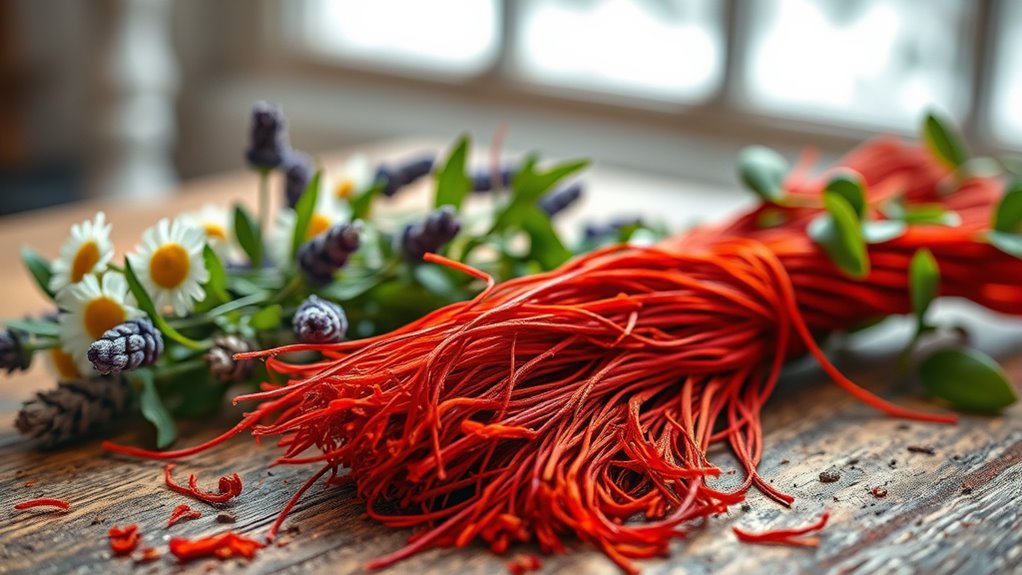
Saffron has gained attention as a natural remedy for boosting mood, especially during seasonal depression. Its unique compounds may help increase serotonin levels, improving your overall sense of well-being. Incorporating saffron into your diet could be a simple way to lift your spirits during gloomy winter days. You can add it to rice dishes, soups, or teas for a flavorful boost.
| Benefits of Saffron | How to Use Saffron |
|---|---|
| Mood enhancement | Sprinkle into meals or brew as tea |
| Reduces stress | Use in desserts or savory dishes |
| Supports emotional balance | Add a pinch to warm milk or water |
Including saffron may offer a natural, flavorful way to support your mental health during darker months.
Lavender: Aromatherapy for Relaxation and Calmness
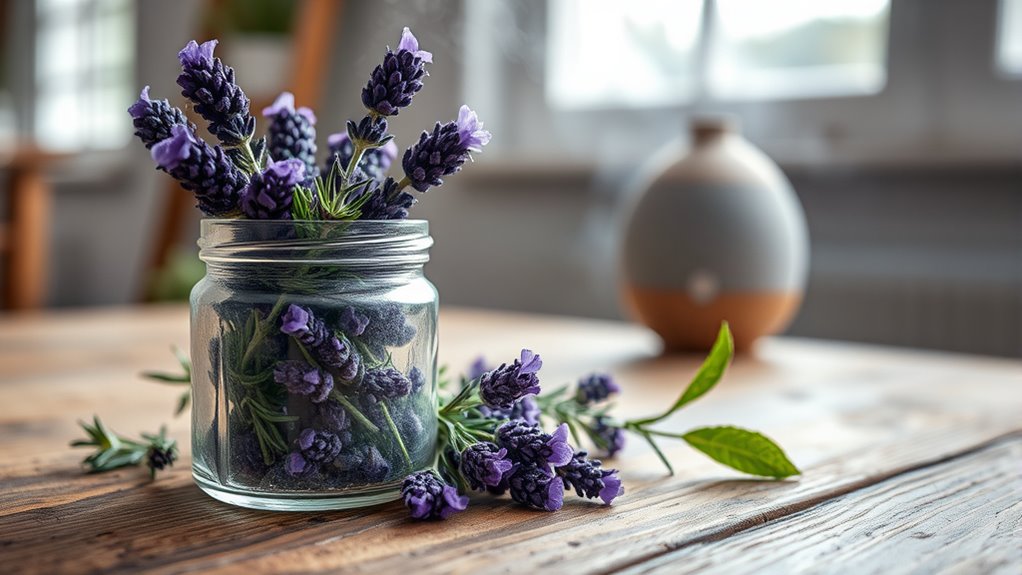
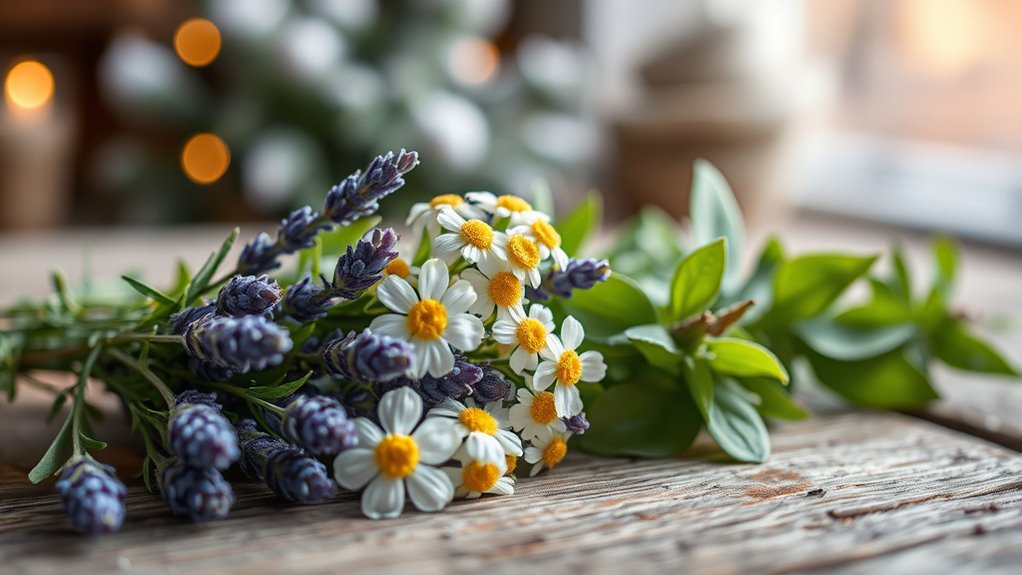
Lavender aromatherapy can improve your sleep quality and help you relax after stressful days. You can incorporate it into your stress reduction routine to feel calmer and more centered. Using lavender naturally boosts your mood and promotes a sense of well-being.
Aromatherapy Benefits for Sleep
Have you ever noticed how a calming scent can help you unwind? Lavender’s aroma is renowned for promoting restful sleep. When you breathe in its soothing scent, your nervous system relaxes, easing insomnia and reducing nighttime anxiety. This calming effect helps you fall asleep faster and enjoy deeper, more restorative rest. To maximize benefits, consider diffusing lavender oil in your bedroom or adding a few drops to your pillow. Recognize that sleep quality impacts seasonal depression; better rest can lift your mood and energy levels. Here’s a simple way to understand lavender’s effects:
| Emotional State | Resulting Benefit |
|---|---|
| Anxiety | Relaxation |
| Restlessness | Calmness |
| Stress | Sleep Improvement |
| Fatigue | Rejuvenation |
| Insomnia | Deeper Sleep |
Stress Reduction Techniques
When stress starts to build, turning to aromatherapy with lavender can provide immediate relief. You can add a few drops of lavender essential oil to a diffuser or inhale directly from the bottle for quick calmness. The scent stimulates your nervous system, helping reduce anxiety and promote relaxation. Incorporate lavender into your routine by creating a calming environment during stressful moments or before bedtime. Its soothing aroma may also lower cortisol levels, the hormone linked to stress. Breathing in lavender’s gentle fragrance can help you feel more centered and in control. Use it consistently to develop a calming ritual that supports your mental well-being during seasonal changes. Lavender’s natural properties make it an effective, accessible tool for managing everyday stress naturally.
Enhancing Mood Naturally
If you want to naturally boost your mood, incorporating lavender aromatherapy into your daily routine can be highly effective. Its calming scent helps reduce anxiety and promotes relaxation, making it a perfect tool for easing winter blues. You can add a few drops of lavender essential oil to a diffuser, inhale directly, or sprinkle it on your pillow before bed. Regular exposure to lavender’s soothing aroma can improve your overall sense of well-being.
| Method | Duration | Benefits |
|---|---|---|
| Diffuser Use | 15-30 minutes daily | Promotes relaxation and calm |
| Direct Inhalation | As needed | Quickly relieves stress |
| Pillow Spritz | Nightly | Enhances sleep quality |
| Bath Additive | 20-minute soak | Eases tension and relaxes muscles |
| Massage Oil | 10-minute massage | Reduces anxiety, boosts mood |
Ashwagandha: Balancing Cortisol and Supporting Mood

Ashwagandha, an adaptogenic herb, is renowned for its ability to help regulate cortisol levels, which can become elevated during seasonal depression. Elevated cortisol can worsen feelings of stress and fatigue, making it harder to lift your mood. By supporting your body’s stress response, ashwagandha can help you feel more balanced and resilient during darker months. It may also promote overall emotional well-being, reducing feelings of anxiety and irritability. Incorporating ashwagandha into your routine could provide a natural way to counteract the winter blues.
- Helps normalize cortisol, reducing stress-related symptoms
- Supports mental clarity and emotional stability
- Enhances resilience against seasonal mood swings
Lemon Balm: A Gentle Herb for Anxiety and Stress Relief
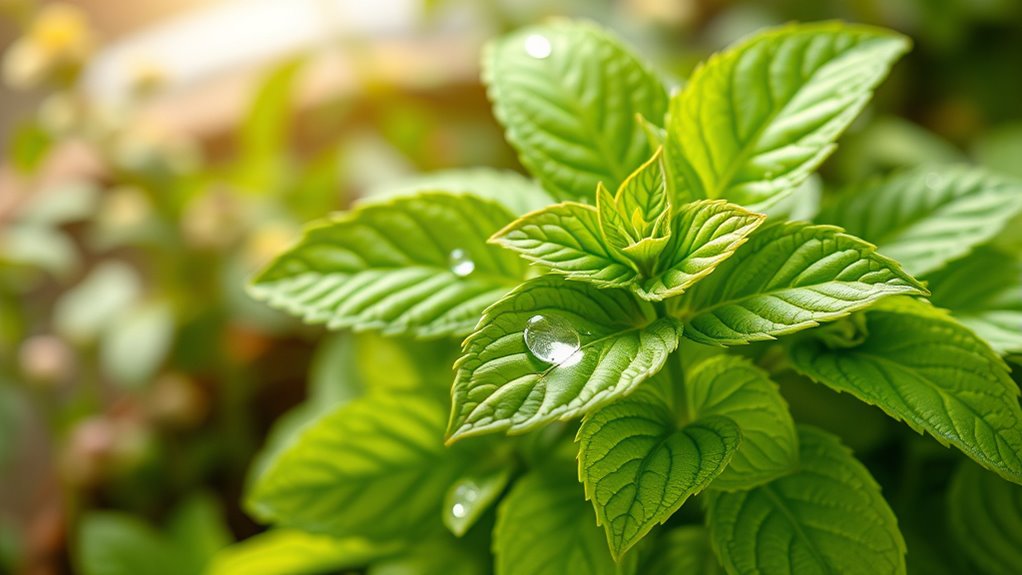
Lemon balm is a gentle, soothing herb that can help ease anxiety and reduce stress, making it a valuable addition to your natural toolkit during seasonal changes. Its calming properties work to relax your mind and soothe nervous tension, helping you feel more centered. You can enjoy lemon balm as a tea, tincture, or supplement to promote emotional balance. The herb contains compounds like rosmarinic acid that support relaxation without causing drowsiness. Incorporating lemon balm into your routine may also improve sleep quality, which is often disrupted during darker months. Its mild, citrus aroma can uplift your mood and provide a comforting ritual during stressful times. With consistent use, lemon balm can gently ease the mental fog and tension associated with seasonal affective symptoms.
Ginseng: Revitalizing Energy and Mental Clarity

Ginseng is a powerful adaptogen that can boost your energy levels and sharpen mental clarity, making it especially helpful during the darker, more sluggish months. It helps your body resist stress and balances your energy, so you feel more alert and focused. By supporting adrenal function, ginseng can reduce fatigue and mental fog often associated with seasonal depression. Incorporating ginseng into your routine may lead to improved mood and resilience during winter.
Ginseng boosts energy, sharpens focus, and supports mood during the darker months.
- Enhances physical stamina and reduces exhaustion
- Supports cognitive function and concentration
- Balances mood and reduces mental fatigue
Passionflower: Easing Anxiety and Promoting Restfulness

When anxiety and restlessness threaten to overshadow your mood during seasonal changes, passionflower offers a natural calming effect. This herb helps ease nervous tension and promotes relaxation, making it easier for you to find rest. You can enjoy passionflower as a tea, supplement, or tincture to manage seasonal anxiety. Its gentle influence on your nervous system helps reduce feelings of agitation and promotes mental clarity.
| Method | Benefit |
|---|---|
| Tea | Calm nerves, promote sleep |
| Capsules | Easy, consistent intake |
| Tincture | Fast-acting relief |
| Extracts | Concentrated calming effect |
| Infusions | Soothing routine |
Valerian Root: Supporting Sleep and Relaxation
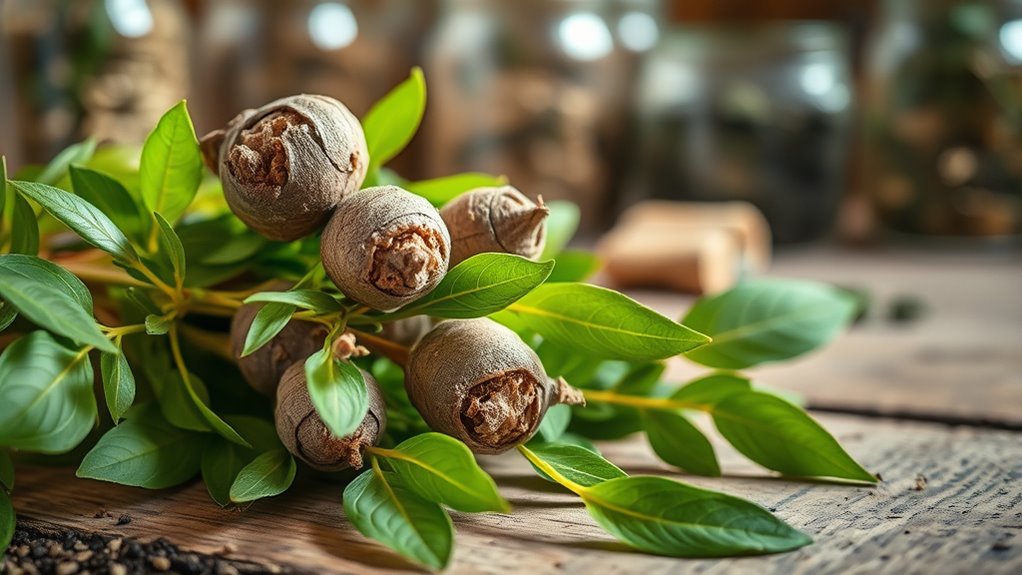
If restless nights and difficulty falling asleep become part of your seasonal struggle, valerian root can provide valuable support. This herbal remedy has been used for centuries to promote relaxation and improve sleep quality. It works by calming your nervous system, helping you unwind after a stressful day. You might notice that it reduces the time it takes to fall asleep and enhances overall sleep depth. Incorporating valerian root into your nightly routine could make a significant difference in managing winter blues.
- Contains compounds that increase GABA levels, promoting relaxation
- May reduce nighttime awakenings and improve sleep continuity
- Often used in combination with other calming herbs for enhanced effects
Frequently Asked Questions
Are Herbal Remedies Safe for Long-Term Use During Winter?
Herbal remedies can be safe for long-term use during winter if you choose reputable products and follow recommended dosages. However, it’s important to consult with a healthcare professional beforehand, especially if you’re on medication or have underlying health conditions. Keep an eye on how your body responds over time, and stop use if you notice any adverse effects. Regular check-ins ensure your herbal use remains safe and effective.
Can Herbs Interact With Antidepressant Medications?
You need to watch out because herbs can sometimes play with your antidepressants. They might either boost or reduce your medication’s effects, which can be a real double-edged sword. Always talk to your healthcare provider before adding herbs like St. John’s Wort or ginseng to your routine. Think of it as crossing your T’s and dotting your I’s to keep everything running smoothly and safely.
What Are the Best Herbs for Severe Seasonal Depression?
You should consider St. John’s Wort, as it’s known for boosting mood and easing depression symptoms. Rhodiola Rosea can help combat fatigue and improve mental clarity. Saffron has shown promise in reducing depressive symptoms. Always talk to your doctor before starting any herbs, especially if you’re on medication, to avoid interactions. Combining these herbs with therapy and lifestyle changes may provide the best results for severe seasonal depression.
How Quickly Do Herbal Treatments Typically Work?
Most herbal treatments start showing effects within 1 to 2 weeks, but it can take up to a month for noticeable improvements. About 60% of people notice some relief within the first two weeks. You should remain consistent with your herbal regimen, and keep in mind that individual responses vary. If you don’t see progress after a month, consult a healthcare professional for further guidance.
Are There Any Age Restrictions for Using These Herbs?
You should check age restrictions for each herb before using them, as some are not suitable for children or older adults. For example, herbs like St. John’s Wort may have risks for teens and seniors, so consult with a healthcare provider first. Always follow dosing guidelines, and if you’re pregnant or nursing, get professional advice. Safety comes first, so stay informed and cautious when using herbs for seasonal depression.
Conclusion
By exploring these natural herbs, you hold the secret weapon to conquer winter blues and uplift your mood effortlessly. Incorporate them into your routine, and you’ll discover a happiness boost so powerful, it could light up the entire season! Remember, nature’s remedies are your allies in turning gloomy days into joyful moments. So, embrace these herbal allies, and let your spirits soar higher than the sun itself!