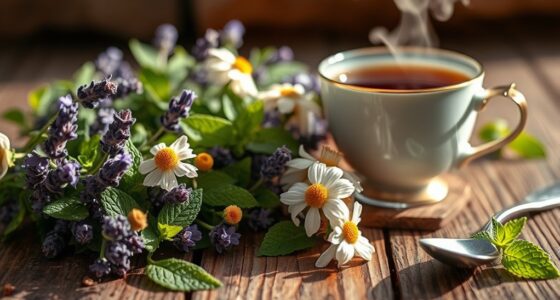
Holy Basil, or Tulsi, is a sacred herb known for its powerful stress-relieving and adaptogenic properties. It helps your body adapt to stress by lowering cortisol levels and supporting adrenal function, promoting calm and emotional balance. Its potent compounds like eugenol and ursolic acid also protect against inflammation and oxidative stress. By incorporating Tulsi into your daily routine, you can experience natural stress relief and enhanced well-being—discover how this ancient herb can benefit you further.
Open a free Amazon Business account
Business pricing, bulk buying and tax-exempt orders.
As an affiliate, we earn on qualifying purchases.
Key Takeaways
- Holy basil, or Tulsi, is a sacred herb known for its calming and stress-reducing properties rooted in traditional Indian practices.
- It acts as an adaptogen, helping the body manage stress and balance cortisol levels naturally.
- Active compounds like eugenol and ursolic acid provide anti-inflammatory and antioxidant support, promoting mental clarity and relaxation.
- Incorporating Tulsi as tea, supplement, or plant can enhance emotional stability and overall well-being.
- Consult healthcare providers before use, especially during pregnancy or medication, to ensure safe stress management with Tulsi.
As an affiliate, we earn on qualifying purchases.
The History and Cultural Significance of Tulsi
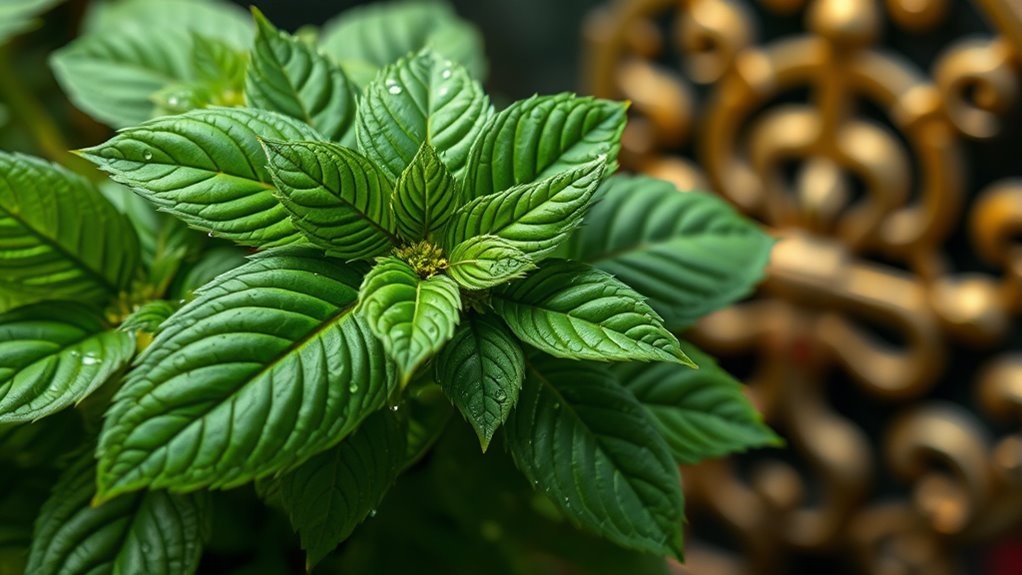
Tulsi, also known as Holy Basil, holds a revered place in Indian culture and spiritual practices. You’ll find it worshipped in homes and temples, symbolizing purity, protection, and divine connection. Its roots stretch back thousands of years, integral to Ayurveda and traditional rituals. People believe Tulsi embodies the goddess Tulsi, a sacred figure representing virtues like devotion and wisdom. Its presence in daily life isn’t just spiritual; it’s medicinal, used to promote health and well-being. Throughout history, Tulsi has been considered a sacred herb that fosters harmony between humans and nature. Its significance goes beyond health—it’s a symbol of spiritual devotion, a catalyst for rituals, and a cherished part of Indian heritage that has endured for generations.
As an affiliate, we earn on qualifying purchases.
How Holy Basil Supports Stress Management

Holy Basil acts as an adaptogen, helping you stay calm and centered during stressful times. It works to balance your cortisol levels, so you don’t feel overwhelmed. Incorporating Tulsi into your routine could be a natural way to support your stress management efforts.
Adaptogenic Properties for Calm
Have you ever wondered how certain herbs can help your body adapt to stress? Holy Basil, or Tulsi, is renowned for its adaptogenic properties that promote calmness and resilience. It works by supporting your adrenal glands, helping your body respond more effectively to physical and emotional stressors. Instead of overwhelming your system, Holy Basil encourages a balanced response, allowing you to stay centered during challenging times. Its bioactive compounds help regulate your nervous system without causing drowsiness or jitters. Incorporating Holy Basil into your routine can foster a sense of tranquility, even amid chaos. By boosting your natural ability to adapt, this sacred herb provides a gentle, sustainable way to maintain calm and emotional stability.
Balancing Cortisol Levels
When your body faces stress, it releases cortisol to help you cope, but prolonged elevation can negatively impact your health. Holy Basil helps regulate cortisol levels, preventing excessive production. By supporting your adrenal glands, it keeps your stress response balanced. This herb acts as an adaptogen, helping your body adapt to stress more efficiently. Here’s a quick overview:
| Effect | How Holy Basil Helps | Benefits |
|---|---|---|
| Reduces cortisol spikes | Modulates adrenal function | Less anxiety, better sleep |
| Supports stress resilience | Enhances your body’s response | Improved mood, focus |
| Promotes hormonal balance | Stabilizes cortisol production | Overall stress management |
Consistent use helps maintain healthy cortisol levels, ensuring stress doesn’t overwhelm you.
As an affiliate, we earn on qualifying purchases.
Key Active Compounds in Tulsi and Their Benefits
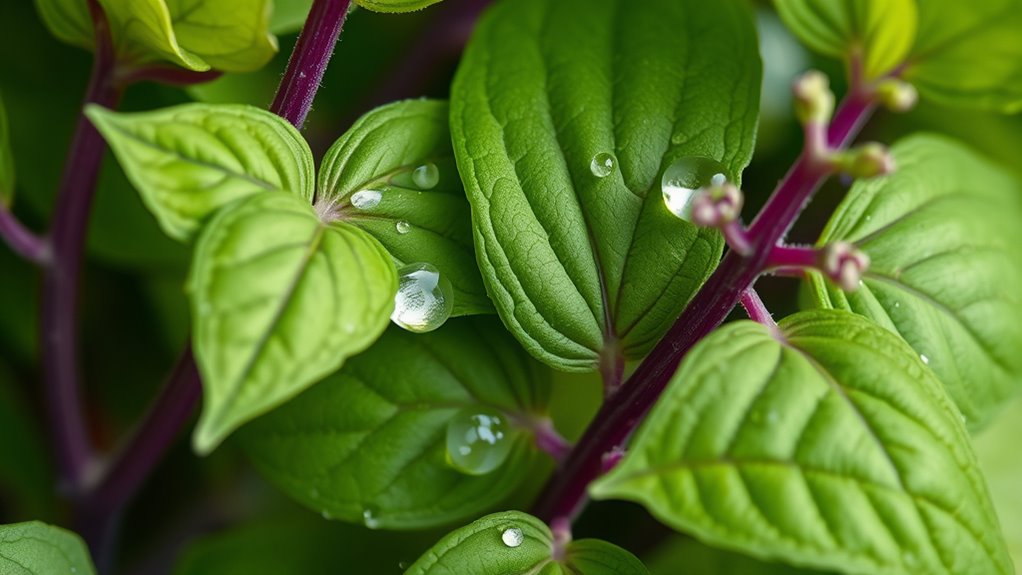
You’ll find that tulsi contains essential oil components that give it a soothing aroma and potential health benefits. Its antioxidant properties help protect your body from oxidative stress, supporting overall wellness. Additionally, these compounds work together as adaptogens, helping your body better manage stress and maintain balance.
Essential Oil Components
What makes Tulsi’s essential oils so potent are its key active compounds, which deliver a range of health benefits. The primary components include eugenol, which has anti-inflammatory and antiseptic properties, and methyl eugenol, known for its antimicrobial effects. Ocimumosides, unique to Tulsi, support stress reduction and enhance mental clarity. Ursolic acid contributes to anti-inflammatory and immune-boosting effects, while caryophyllene interacts with receptors to promote relaxation. These compounds work synergistically to help alleviate stress, support respiratory health, and boost overall well-being. Their combined actions make Tulsi’s essential oils a powerful natural remedy. When used properly, these components can help you experience calmness and balance, making Tulsi a treasured herb for promoting mental and physical harmony.
Antioxidant Properties Boost
Tulsi’s potent essential oils aren’t just about stress relief—they also provide a significant boost in antioxidant activity. This herb contains key compounds that protect your cells from damage caused by free radicals. When you consume tulsi, you benefit from antioxidants like:
- Eugenol, which helps neutralize harmful free radicals and reduces oxidative stress.
- Ursolic acid, supporting your immune system and fighting inflammation.
- Rosmarinic acid, known for its strong anti-inflammatory and antioxidant effects.
- Apigenin, which may improve your overall cellular health and protect against aging.
Together, these compounds enhance your body’s natural defenses, promoting better health and resilience. Incorporating tulsi into your routine can help you combat oxidative damage and support longevity naturally.
Adaptogenic Effects Explained
Several key compounds in tulsi act as adaptogens, helping your body manage stress more effectively. These include eugenol, ursolic acid, and rosmarinic acid, which work together to regulate your stress response. They support your adrenal glands, reducing cortisol levels, and promote a sense of calm. These compounds also enhance your body’s resilience to physical and mental stressors. By modulating inflammatory responses and supporting immune function, they help stabilize mood and energy levels. Tulsi’s adaptogenic effects are subtle yet powerful, making it a natural way to balance your stress hormones. Incorporating tulsi into your routine can help you stay more relaxed, focused, and resilient under pressure, enabling your body to adapt more efficiently to life’s challenges.
adaptogenic herbs for stress relief
As an affiliate, we earn on qualifying purchases.
As an affiliate, we earn on qualifying purchases.
Incorporating Tulsi Into Your Daily Routine

Integrating tulsi into your daily routine is simple and can markedly enhance your stress relief efforts. You can do this in several practical ways:
Adding tulsi daily can significantly boost your stress relief with simple practices.
- Brew a calming cup of tulsi tea each morning or evening to promote relaxation.
- Add fresh or dried tulsi leaves to salads or soups for an herbal boost.
- Use tulsi tinctures or extracts as supplements, following recommended doses.
- Grow a potted basil plant indoors, so you can easily harvest leaves when needed.
Scientific Evidence Behind Tulsi’s Stress-Relieving Properties

Research supports the idea that tulsi has genuine stress-relieving effects, backed by scientific studies. Multiple experiments show that tulsi reduces cortisol levels, a key stress hormone. It also enhances mood and improves resilience to stress. Clinical trials indicate that daily tulsi intake can lower anxiety and promote calmness. To help you understand its impact, consider this table:
| Effect | Evidence |
|---|---|
| Cortisol Reduction | Decreases stress hormone levels |
| Mood Enhancement | Improves feelings of well-being |
| Anxiety Relief | Lowers anxiety symptoms |
| Immune Support | Strengthens overall health |
| Adaptogenic Properties | Helps your body resist stress |
These findings highlight tulsi’s potential as a natural stress reliever, supported by scientific research.
Precautions and Tips for Using Holy Basil Safely
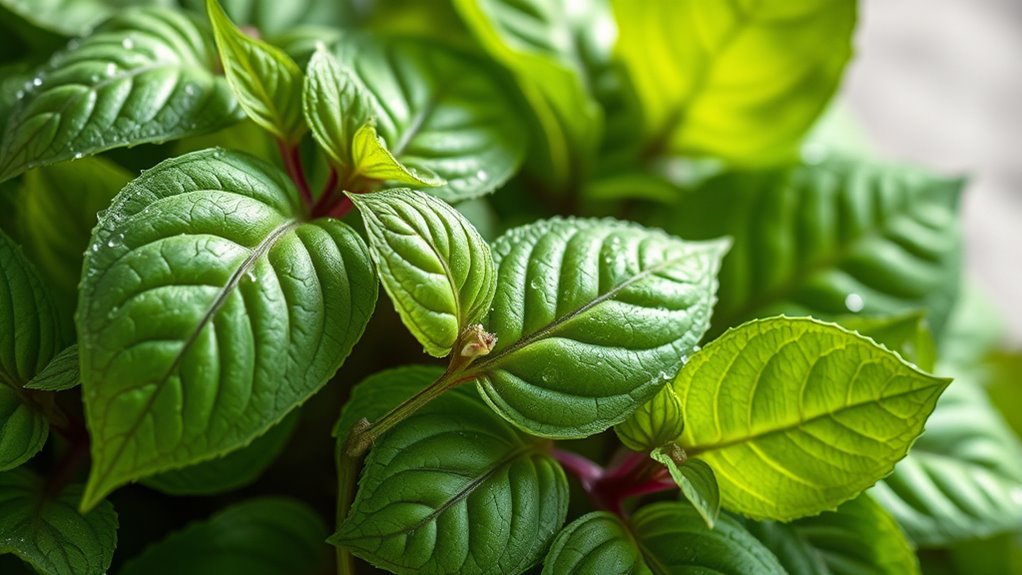
While holy basil offers many health benefits, it’s important to use it safely and responsibly. To do so, consider these tips:
Use holy basil responsibly by consulting your healthcare provider and following recommended dosages.
- Consult your healthcare provider before starting supplements, especially if you’re pregnant, nursing, or on medication.
- Stick to recommended dosages; excessive use may cause side effects like low blood sugar or blood pressure drops.
- Monitor your body’s response; discontinue use if you experience dizziness, stomach upset, or allergic reactions.
- Avoid combining holy basil with blood-thinning medications unless advised by a doctor, as it may enhance bleeding risk.
Additional Benefits of Holy Basil Beyond Stress Relief
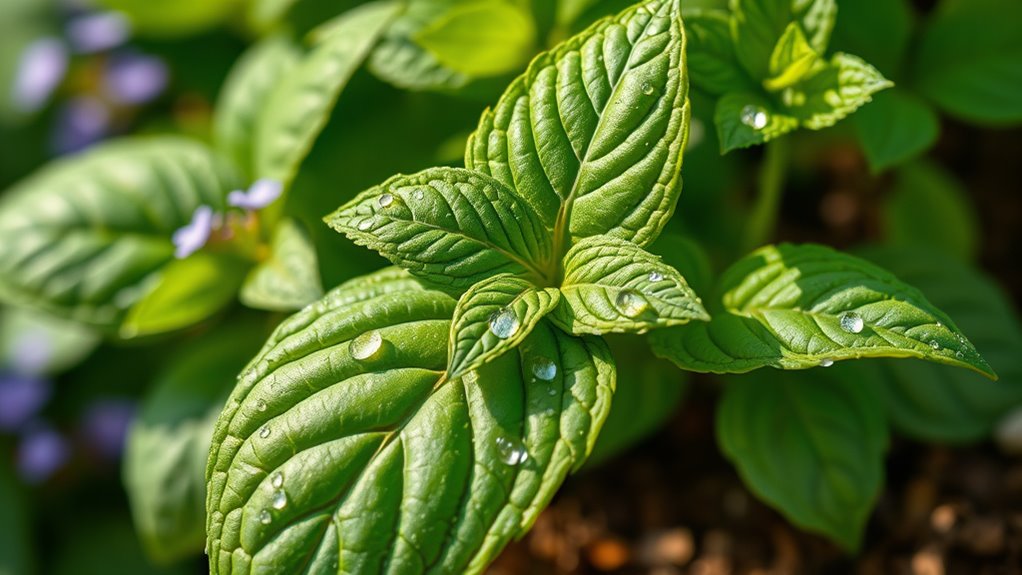
Holy basil isn’t just known for its calming effects; it also offers a range of other health benefits that can support your overall well-being. It acts as a powerful antioxidant, helping to fight free radicals and reduce oxidative stress in your body. This herb can boost your immune system, making you more resilient against infections. Holy basil also has anti-inflammatory properties that may ease joint pain and inflammation. Additionally, it supports healthy digestion and can help regulate blood sugar levels. Some studies suggest it may even promote heart health by reducing cholesterol and blood pressure. By incorporating holy basil into your routine, you not only manage stress but also enhance your body’s defenses, making it a versatile herb for maintaining general health and energy.
Frequently Asked Questions
Can Holy Basil Be Used Alongside Other Medications Safely?
You should consult your healthcare provider before using holy basil with other medications, as it may interact with certain drugs like blood thinners, diabetes medications, or immunosuppressants. While generally safe for most people, combining it without professional guidance could lead to adverse effects or alter medication efficacy. Always inform your doctor about any supplements you take to ensure safe and effective treatment.
What Is the Optimal Dosage of Tulsi for Stress Relief?
You should take about 300 to 500 milligrams of tulsi extract daily for stress relief, but it’s not a one-size-fits-all. Start with a smaller dose and adjust based on how your body responds. To avoid any unwanted effects, consult your healthcare provider, especially if you’re on other medications. Remember, consistency is key—think of it as your secret weapon against daily stress!
Are There Any Side Effects From Long-Term Tulsi Use?
Long-term tulsi use is generally safe, but some people may experience side effects like dry mouth, dizziness, or lowered blood sugar levels. If you have underlying health conditions or take medications, you should consult your healthcare provider before using tulsi regularly. Keep an eye on how your body responds over time, and discontinue use if you notice any adverse effects. Moderation and proper dosage are key to safe, long-term benefits.
How Quickly Does Holy Basil Typically Alleviate Stress Symptoms?
You’ll notice stress relief from holy basil usually begins within a few days of consistent use, but it varies. Some people feel calmer in just a day, while others might take a week or more. The herb works gradually, balancing your stress hormones and promoting relaxation. Keep in mind, your unique body chemistry influences how quickly you see results, so stay patient and consistent for the best effects.
Is Holy Basil Suitable for Children or Pregnant Women?
You should be cautious with holy basil if you’re pregnant or caring for children. It’s best to consult your healthcare provider before giving it to kids or using it during pregnancy, as safety isn’t fully confirmed. Some studies suggest it might have hormonal effects or cause complications. Always prioritize professional medical advice to ensure it’s safe for your specific situation, especially for vulnerable populations like children and pregnant women.
Conclusion
So, while you might think a sacred herb like tulsi is just a mystical plant, it actually offers genuine stress relief—no magic wand needed. Instead of chasing after complicated remedies, you can simply sip some holy basil tea and feel calmer. Ironically, the ancient herb that’s been revered for centuries now quietly works wonders in your busy, modern life—proving that sometimes, the simplest solutions truly are the most powerful.
College move-in / dorm season Picks
dorm essentials
As an affiliate, we earn on qualifying purchases.