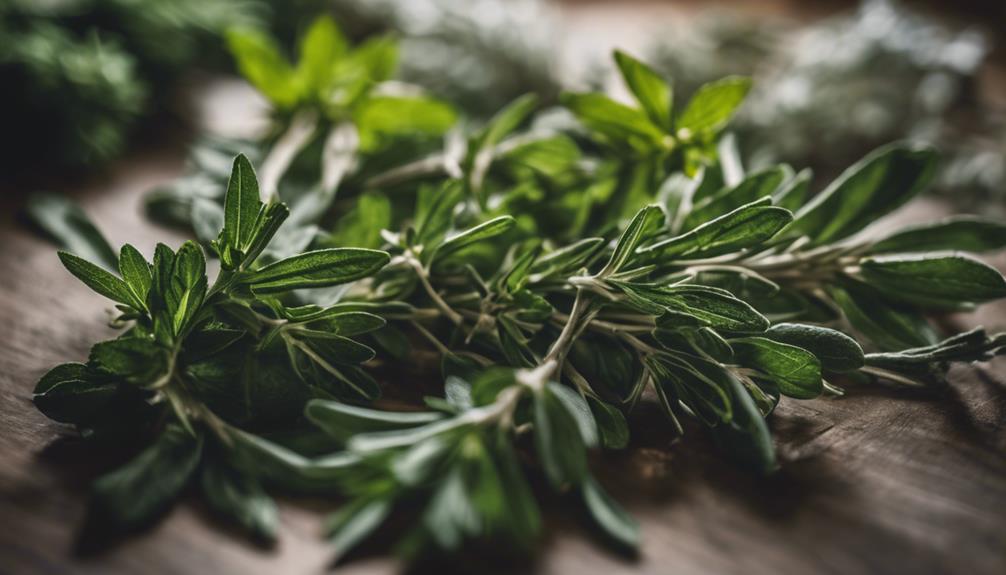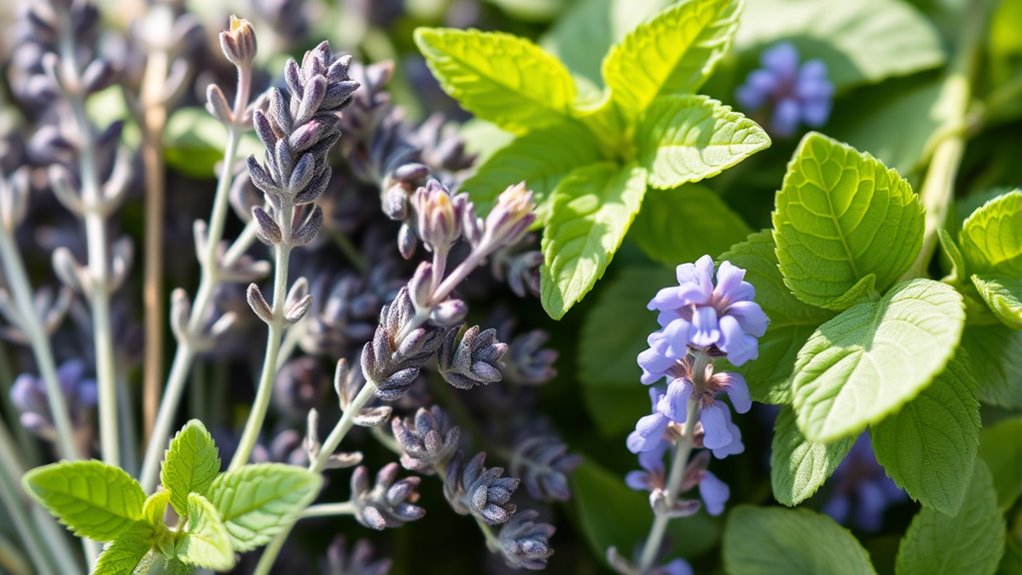

Lavender and lemon balm are natural herbs with a long history of calming anxiety and promoting relaxation. You can enjoy their benefits through teas, essential oils, or aromatherapy, which help lower stress and improve sleep. Scientific studies support their effectiveness in modulating mood-related chemicals and reducing cortisol levels. To maximize safety and results, follow proper usage guidelines. Keep exploring to discover how these herbs can fit into your daily calming routine.
Key Takeaways
- Lavender and lemon balm have been used for thousands of years to promote relaxation and reduce anxiety.
- Both herbs influence neurotransmitters like GABA and serotonin, enhancing mood and calming the nervous system.
- Scientific studies show lavender and lemon balm effectively lower anxiety levels and improve sleep quality.
- They can be incorporated daily through teas, aromatherapy, or topical oils for natural anxiety relief.
- Safety precautions include following proper dosages and consulting healthcare providers, especially when combining with medications.
The History and Origins of Lavender and Lemon Balm
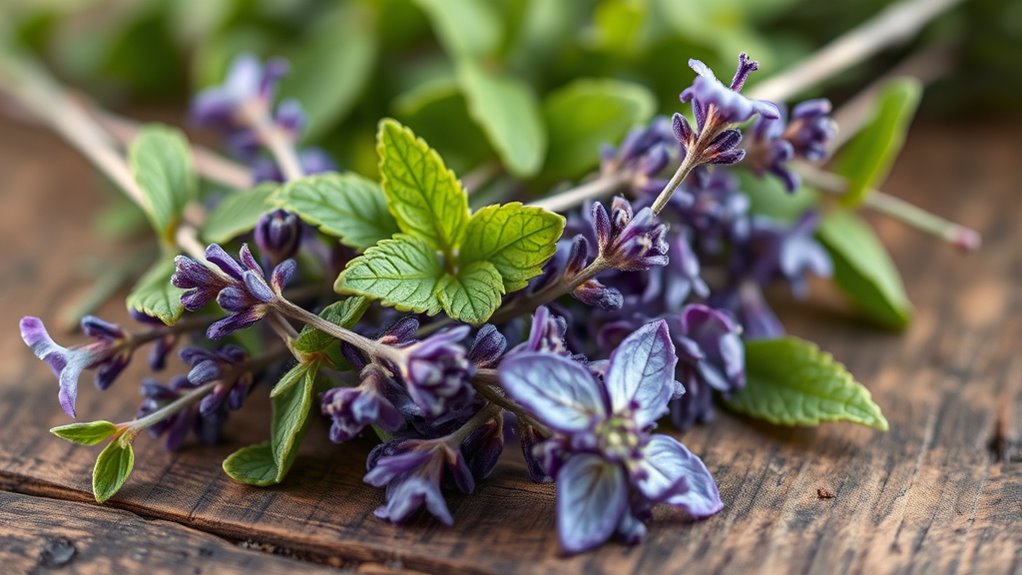
Lavender and lemon balm have long been valued for their calming properties, dating back thousands of years. Throughout history, herbal cultivation played a crucial role in preserving these herbs, allowing people to harness their soothing effects. Ancient civilizations, including the Egyptians and Greeks, used lavender for its fragrant aroma and medicinal qualities, often incorporating it into their herbal remedies. Similarly, lemon balm was prized in traditional herbal medicine for its calming effects and was cultivated widely in gardens for easy access. Aromatherapy techniques, such as distillation and infusion, emerged over time to extract essential oils from these herbs, enhancing their therapeutic use. Today, their rich history continues to influence modern herbal cultivation and aromatherapy practices, emphasizing their enduring role in promoting relaxation. herbal cultivation has been essential in ensuring the consistent quality and availability of these calming herbs over centuries. Additionally, the development of essential oil extraction methods has allowed for more potent and accessible forms of these herbs’ benefits. Incorporating modern techniques and standardized cultivation practices has further supported their reliable use in contemporary wellness routines, especially with the rise of natural remedies and holistic health approaches.
How Lavender and Lemon Balm Alleviate Anxiety Symptoms
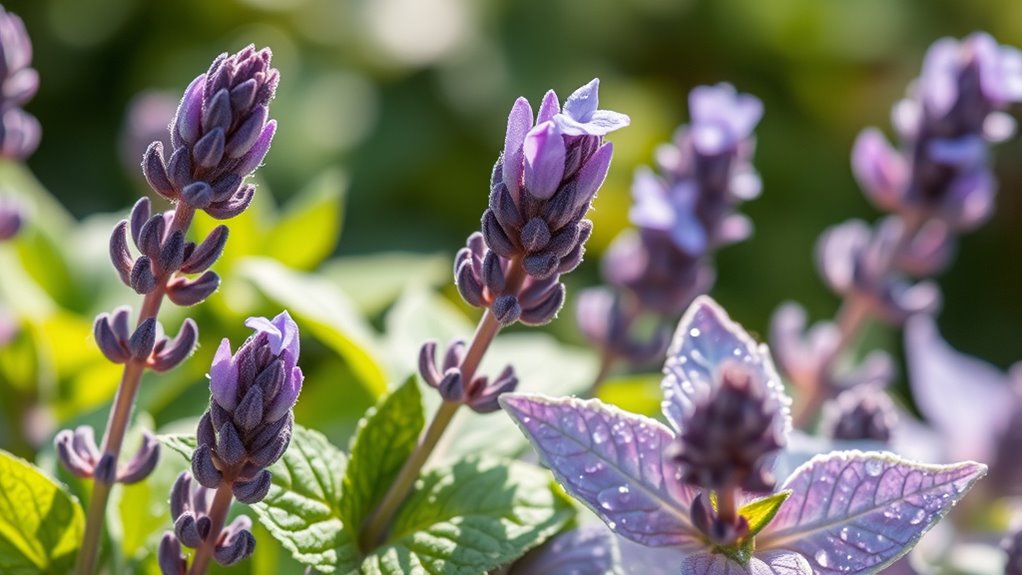
Because they contain natural compounds that influence the nervous system, lavender and lemon balm can effectively reduce anxiety symptoms. These herbs promote relaxation through herbal tea benefits and aromatherapy techniques. When you sip lavender or lemon balm tea, you absorb calming phytochemicals that ease tension. Aromatherapy using lavender essential oil can also soothe your mind, reducing stress quickly. Their calming effects help lower cortisol levels and improve sleep quality. Additionally, herbal quality standards can ensure you get the most effective and safe herbal remedies. Ensuring product purity and potency is essential for achieving optimal calming effects. Furthermore, adhering to herbal safety guidelines can help prevent adverse reactions and maximize their benefits. Incorporating herbal safety standards can further enhance the safety and effectiveness of your anxiety relief routine. Here’s a quick comparison:
| Herb | Main Benefit | Best Use Method |
|---|---|---|
| Lavender | Reduces stress, promotes sleep | Aromatherapy or tea |
| Lemon Balm | Eases nervousness, sharpens mood | Tea or diffused oil |
| Both | Calms anxiety symptoms | Combined use enhances benefits |
Methods to Incorporate Lavender and Lemon Balm Into Daily Life

Incorporating lavender and lemon balm into your daily routine can be simple and effective for maintaining their calming benefits. One easy way is to sip herbal teas made from dried lavender or lemon balm leaves, which can help reduce stress throughout the day. Using aromatherapy diffusers is another effective method; fill them with essential oils of lavender or lemon balm to create a soothing environment at home or work. You can also add a few drops of these oils to a cotton ball or tissue to enjoy their scent on the go. Additionally, many live music venues feature relaxing tunes that can complement your calming herbs, enhancing the overall sense of relaxation. Practicing halal dietary practices ensures that the foods and herbs you consume meet Islamic standards, which is important for those observing halal guidelines. Incorporating proper herb storage techniques helps preserve the potency of lavender and lemon balm, ensuring you receive their full calming benefits. Ensuring proper essential oil quality is essential to maximize their therapeutic effects. Consistently integrating these methods into your routine can promote relaxation and help manage anxiety naturally. Keep it simple, and enjoy the calming effects whenever you need them.
Scientific Evidence Supporting Their Calming Effects

Numerous studies have demonstrated that lavender and lemon balm possess genuine calming effects supported by scientific research. Clinical trials show these herbs can reduce anxiety symptoms and improve mood. Their neurochemical effects involve influencing neurotransmitters like GABA, serotonin, and dopamine, promoting relaxation and stress relief. The table below summarizes key findings:
| Herb | Clinical Trial Outcome | Neurochemical Effect |
|---|---|---|
| Lavender | Reduces anxiety scores in patients | Enhances GABA activity |
| Lemon Balm | Lowers cortisol levels, improves mood | Modulates serotonin and dopamine levels |
| Both Herbs | Better sleep quality and reduced stress | Balanced neurochemical responses |
These findings confirm that lavender and lemon balm work on a neurochemical level to support calming effects, backed by solid scientific evidence. Understanding these mechanisms helps explain their effectiveness in managing anxiety, especially considering the neurochemical pathways involved in stress regulation.
Safety Tips and Considerations for Using These Herbs

While herbal remedies like lavender and lemon balm can be effective for calming anxiety, it’s essential to use them safely. Follow dosage guidelines carefully to avoid unwanted side effects, especially if you’re taking other medications. Start with small amounts and gradually increase if needed, always monitoring your response. Be aware of potential interactions; for example, lemon balm might enhance sedative effects when combined with sleep medications. If you’re pregnant, breastfeeding, or have existing health conditions, consult your healthcare provider before using these herbs. Avoid excessive use, as it could lead to adverse reactions. Keep herbal products out of reach of children. Additionally, understanding father-daughter bond can help you better navigate the emotional impacts of relationship difficulties. Paying attention to herbal safety and potential interactions is crucial for enjoying the calming benefits of lavender and lemon balm responsibly.
Frequently Asked Questions
Can Lavender and Lemon Balm Be Used Together Effectively?
Yes, you can use lavender and lemon balm together effectively because of their herb synergy and complementary effects. When combined, these herbs enhance each other’s calming properties, helping to reduce anxiety more efficiently. You might try mixing them in teas or diffusing their essential oils. Just start with small doses to see how your body reacts, and enjoy the natural, soothing benefits they provide together.
Are There Any Known Allergic Reactions to These Herbs?
Think of trying to find your calm amidst a storm—you might encounter herb allergy risks with lavender and lemon balm. Some people experience allergic reactions, like skin rashes, itching, or breathing issues. While these herbs are generally safe, you should watch for allergic reaction symptoms, especially if you have plant or pollen allergies. Always test a small amount first and consult your healthcare provider if you have concerns.
How Long Does It Take to Notice Calming Effects?
The timing of effects varies based on individual response, but many people notice calming effects from lavender and lemon balm within 30 minutes to an hour. Factors like your metabolism and how you consume the herbs influence this. If you’re using essential oils or teas, stay patient and observe how your body responds. Keep track of your experience to better understand your personal timing of effects.
Can Children or Pregnant Women Safely Use Lavender and Lemon Balm?
You should be cautious with herbal safety for children and pregnant women. Generally, lavender and lemon balm are safe in small amounts, but age considerations are important. For children, use only diluted forms and consult a healthcare professional. Pregnant women should avoid high doses or long-term use without medical advice. Always check with a healthcare provider to ensure safe usage based on age and individual health conditions.
Are There Any Interactions With Common Medications?
Think of herbs as keys that open wellness, but some can accidentally turn the wrong lock. Herb drug interactions with lavender and lemon balm are rare but possible, especially if you’re on medications like sedatives or thyroid drugs. Always consider dosage considerations, as high amounts may amplify effects or cause side effects. To stay safe, consult your healthcare provider before combining these herbs with your medications, ensuring harmony rather than discord.
Conclusion
Think of lavender and lemon balm as gentle anchors in a turbulent sea, guiding you back to calm waters. By embracing these herbs, you hold keys to a peaceful harbor amid life’s storms. Their soothing whispers can help steady your mind and ease anxiety’s grip. With mindful use, you’ll find yourself steering through daily challenges with a newfound sense of tranquility, restoring balance and serenity like a calm harbor welcoming you home after a long voyage.