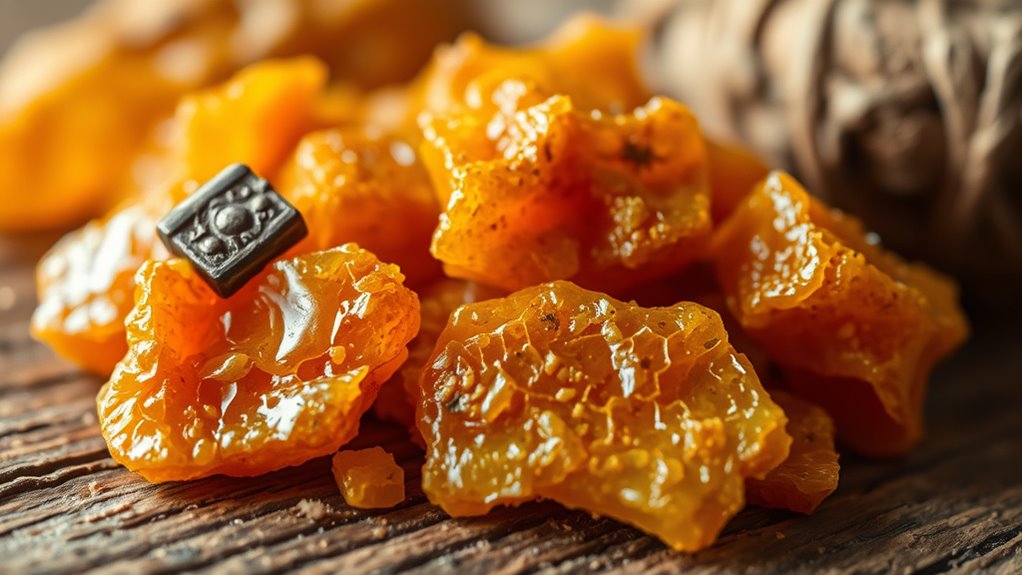

Boswellia, or Indian frankincense, has been used for centuries to ease chronic pain through its anti-inflammatory effects. It works by inhibiting enzymes involved in inflammation, helping reduce pain, swelling, and stiffness in conditions like arthritis. Many people find it a natural alternative to traditional meds, but it’s important to choose quality supplements and follow dosage guidelines. Keep exploring to discover how Boswellia might fit into your pain management plan.
Key Takeaways
- Boswellia contains active compounds that inhibit inflammation enzymes like 5-lipoxygenase, reducing chronic pain and swelling.
- Scientific studies show Boswellia can effectively alleviate pain in osteoarthritis and rheumatoid arthritis.
- Typical dosages range from 300-600 mg daily, with consistent use enhancing pain relief outcomes.
- It is generally safe but may cause digestive issues or allergic reactions in some individuals; proper dosing is essential.
- Future research explores personalized treatments and novel delivery methods to improve long-term pain management.
Understanding Boswellia and Its Traditional Uses
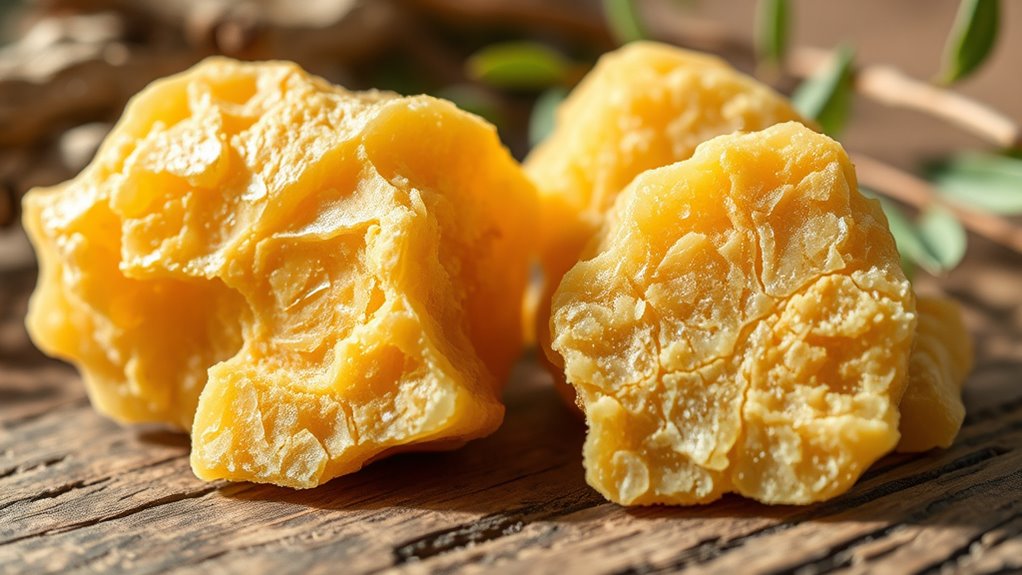
Boswellia, also known as frankincense, has been used for centuries in traditional medicine to treat various inflammatory conditions. Its historical uses span ancient Egypt, India, and the Middle East, where it played an essential role in healing rituals and remedies. Cultures valued Boswellia for its spiritual significance, often burning it as incense during religious ceremonies. Its resin was also applied topically or ingested to support joint health and reduce swelling. The importance of Boswellia extended beyond medicine; it symbolized purity and divine connection in many traditions. Today, this centuries-old practice continues, as people recognize its potential benefits. Understanding its cultural importance helps you appreciate why Boswellia has remained a trusted natural remedy across generations. Additionally, awareness of its use in traditional healing can enhance your understanding of its inflammatory properties, and modern research further supports its anti-inflammatory effects, making it a valuable supplement for those seeking natural relief. Scientific studies have also demonstrated its ability to reduce pain and swelling, reinforcing its role in managing chronic pain conditions. Recognizing these traditional uses highlights why Boswellia remains a respected option for managing chronic pain conditions, and ongoing scientific studies continue to uncover new insights into its therapeutic potential.
How Boswellia Works to Reduce Inflammation

Building on its long history of traditional use, scientists have discovered that Boswellia contains active compounds that help combat inflammation. These compounds target specific molecular mechanisms involved in inflammatory processes. They work primarily through enzyme inhibition, blocking key enzymes like 5-lipoxygenase that produce inflammatory mediators. By inhibiting these enzymes, Boswellia reduces the production of leukotrienes, chemicals that promote inflammation and pain. This process helps decrease swelling, redness, and discomfort associated with chronic inflammatory conditions. The ability to modulate molecular pathways makes Boswellia effective at addressing inflammation directly at its source. Additionally, remote hackathons provide innovative platforms for researchers and developers to collaborate on new therapeutic solutions, accelerating the discovery of natural remedies like Boswellia. They also facilitate scientific collaboration, which is essential for advancing our understanding of natural anti-inflammatory agents. This approach aligns with the trend towards personalized medicine and targeted therapies, making Boswellia a promising natural option for managing pain and inflammation, supporting overall joint and tissue health without the side effects often linked to conventional medications. Furthermore, natural anti-inflammatory agents are gaining increased attention for their potential to offer safer alternatives to traditional pharmaceuticals.
Scientific Evidence Supporting Boswellia for Pain Relief

Numerous studies have examined the effectiveness of Boswellia in reducing pain associated with chronic conditions, providing promising evidence for its use. Clinical trials have demonstrated that Boswellia can markedly decrease pain levels in conditions like osteoarthritis and rheumatoid arthritis. These trials often use specific dosage guidelines, typically involving 300-600 mg of Boswellia extract taken two to three times daily, which have been shown to be effective and safe. While results vary, many participants report notable improvements in joint function and reduced discomfort. This growing body of scientific evidence supports Boswellia’s potential as a natural alternative or complement to conventional pain medications. However, it’s essential to follow dosage guidelines carefully and consult with your healthcare provider before starting supplementation.
Benefits and Potential Side Effects of Boswellia
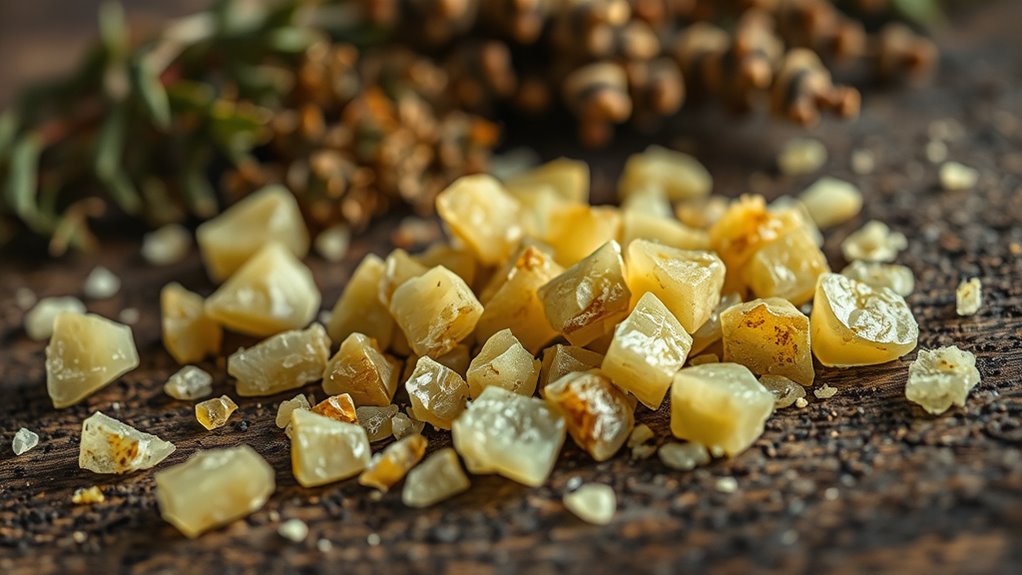
Boswellia offers notable anti-inflammatory benefits that may help reduce pain, but it can also cause digestive issues in some people. You should be aware of potential allergic reactions, especially if you have sensitivities to related herbs. Understanding both its advantages and risks helps you decide if Boswellia is right for your needs. Additionally, researching local health insights can provide more personalized guidance on its use. Being aware of yoga practices and their role in managing chronic pain can also complement Boswellia’s effects for a holistic approach. Recognizing the importance of continuous learning can further empower you to make informed health decisions. Moreover, choosing a quality supplement from reputable sources can ensure safety and effectiveness. Incorporating glycolic acid products into skincare routines may enhance skin health and address specific concerns, supporting overall well-being.
Anti-inflammatory Effects
The anti-inflammatory properties of Boswellia make it a popular natural option for managing chronic pain conditions. Its herbal synergy with other supplements can enhance effectiveness, but dosage considerations are essential to avoid side effects. When taken correctly, Boswellia helps reduce inflammation markers, easing joint pain and swelling. To maximize benefits, consider:
- Consistent dosing based on your condition and advice from a healthcare provider
- Combining it with other anti-inflammatory herbs for enhanced synergy
- Monitoring for any adverse reactions during initial use
- Starting with lower doses and gradually increasing as tolerated
Understanding these factors ensures you harness Boswellia’s anti-inflammatory power safely. Proper dosage and herbal synergy are key to achieving maximum pain relief while minimizing risks. Additionally, ongoing research into AI safety highlights the importance of monitoring and developing robust safety measures to prevent potential vulnerabilities in natural health applications. Recognizing the significance of proper dosing helps optimize therapeutic outcomes and reduce the chance of adverse effects. Incorporating storage guidelines can also help maintain the potency and effectiveness of Boswellia supplements over time. Furthermore, understanding material composition of supplements ensures safety and efficacy for long-term use. Staying informed about potential side effects is crucial for safe and effective treatment.
Digestive Benefits and Risks
Building on Boswellia’s anti-inflammatory effects, many people also turn to it for digestive health. It may help improve gut health by reducing inflammation in the digestive tract, potentially easing conditions like indigestion or mild inflammatory bowel issues. Some users report better digestion and fewer bloating episodes. Additionally, understanding credit card terms can be beneficial if you’re managing health expenses related to supplements or treatments. Proper dosage guidelines are essential for maximizing benefits and minimizing risks. However, while Boswellia is generally well-tolerated, it can cause side effects such as stomach upset or nausea in some individuals. Rarely, allergic reactions or gastrointestinal discomfort may occur. It’s important to start with a low dose and monitor your response. If you experience persistent stomach pain, allergic symptoms, or other adverse effects, consult your healthcare provider. Incorporating a rustic decor approach in your surroundings can also promote a calming environment that supports overall well-being. Moreover, being aware of mindfulness techniques can help manage stress that might otherwise exacerbate digestive issues. Overall, Boswellia can support digestion improvement, but understanding its risks ensures safe and effective use.
Allergic Reactions Potential
Although Boswellia is generally safe, some individuals may experience allergic reactions that range from mild to severe. Your immune response can sometimes overreact, causing symptoms like skin rashes, swelling, or difficulty breathing. It’s important to recognize these signs early. Be aware that:
- Allergic reactions may include skin irritation or hives
- Swelling around the face or throat can occur
- Breathing difficulties might develop in severe cases
- Prior allergies to related herbs could increase risk
If you notice any of these symptoms, stop use immediately and seek medical help. Your immune response to Boswellia varies, so monitoring your body’s reactions is key. While rare, allergic reactions highlight the importance of consulting a healthcare professional before starting supplement therapy.
Incorporating Boswellia Into Your Pain Management Routine

Incorporating Boswellia into your pain management routine can be a straightforward way to enhance relief naturally. To do so effectively, follow dosing guidelines provided by your healthcare provider or on the supplement label. Typically, doses range from 300 to 500 mg taken two to three times daily, but individual needs may vary. It’s also important to be aware of herbal supplement interactions; Boswellia may interact with blood thinners or anti-inflammatory medications, so consult your doctor before starting. Consistency is key for best results, and monitoring your response can help you and your healthcare provider adjust the dosage if needed. Incorporating Boswellia thoughtfully ensures you maximize its benefits while minimizing potential risks.
Future Perspectives and Ongoing Research
Recent studies and ongoing trials suggest that research into Boswellia’s potential for managing chronic pain is expanding rapidly. Researchers are exploring innovative delivery methods to enhance its effectiveness, such as nano-formulations and topical applications. Future studies aim to identify personalized treatment approaches, tailoring Boswellia use to individual patient needs and genetic profiles. This could improve outcomes and reduce side effects. You might see advancements like combination therapies integrating Boswellia with other natural compounds. Additionally, ongoing research seeks to clarify ideal dosages and long-term safety. These developments promise a more precise, effective, and personalized approach to pain management. Staying updated on these innovations can help you better incorporate Boswellia into your treatment plan, potentially leading to better pain relief and improved quality of life.
Frequently Asked Questions
What Are the Best Forms of Boswellia Supplements Available?
You should look for high-quality Boswellia supplements in standardized extract forms, preferably containing 30-65% boswellic acids. Choose products with transparent labeling that specify extraction methods like water or alcohol extraction, which preserve active compounds. Capsules and tablets are common, but powders can be effective too. Prioritize reputable brands that emphasize supplement quality, ensuring purity and potency, so you get the best results for your chronic pain management.
How Much Boswellia Should I Take for Chronic Pain?
You should generally take 300 to 500 mg of boswellia extract two to three times daily for chronic pain, but dosage guidelines can vary. To determine the best amount for your needs, consult personalized recommendations from your healthcare provider. They can consider your specific condition, current medications, and overall health to recommend an effective and safe dosage tailored just for you.
Can Boswellia Interact With Other Medications?
Yes, Boswellia can interact with other medications. It may cause drug interactions, especially with blood thinners, anti-inflammatory drugs, or medications affecting the immune system. Be cautious of contraindications, such as allergies or existing health conditions. Always consult your healthcare provider before adding Boswellia to your regimen to avoid potential adverse effects or interactions with your current medications.
Is Boswellia Safe for Long-Term Use?
Boswellia can be safe for long-term use if you follow dosage considerations and consult your healthcare provider. You need to monitor for any adverse effects, adjust doses as needed, and stay informed about potential interactions. While research suggests it may be beneficial over extended periods, the long-term safety depends on individual health, proper dosing, and regular medical oversight. Always prioritize safety when considering prolonged use.
Are There Specific Populations Who Should Avoid Boswellia?
You should avoid boswellia if you have allergy concerns, especially if you’re allergic to related plants like mango or pistachio. Pregnant women are advised to use caution or avoid it altogether, as safety during pregnancy isn’t well established. Always consult your healthcare provider before starting boswellia, especially if you have allergies or are pregnant, to verify it’s safe for your specific health situation.
Conclusion
If you’re seeking natural relief from chronic pain, Boswellia might just be your shining beacon. Its ancient roots and growing scientific support suggest it could be a valuable part of your wellness journey. But remember, like any treasure, it’s best explored with guidance. Are you ready to open the potential of this herbal remedy and turn the page to a pain-free chapter? The story of your comfort begins with a simple step.