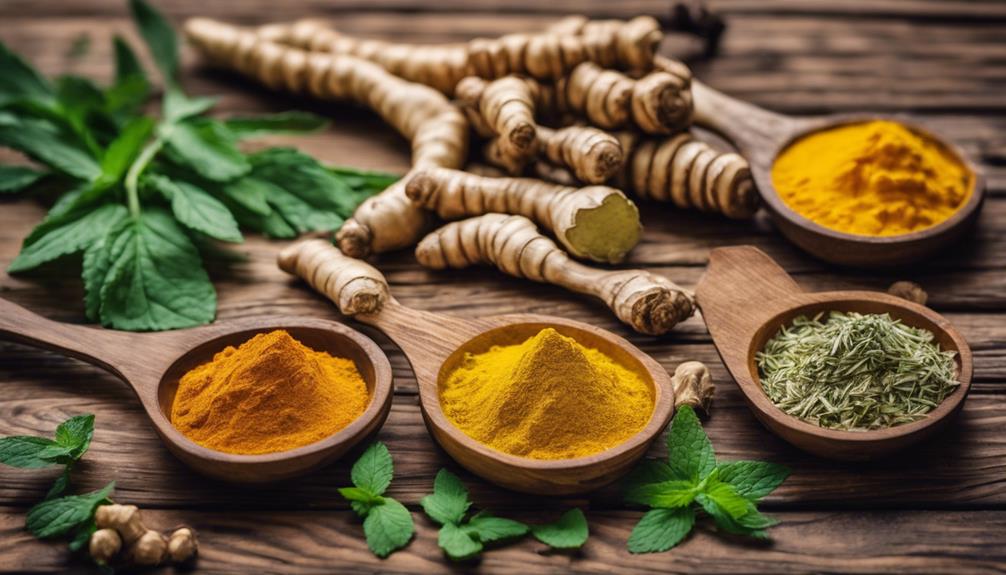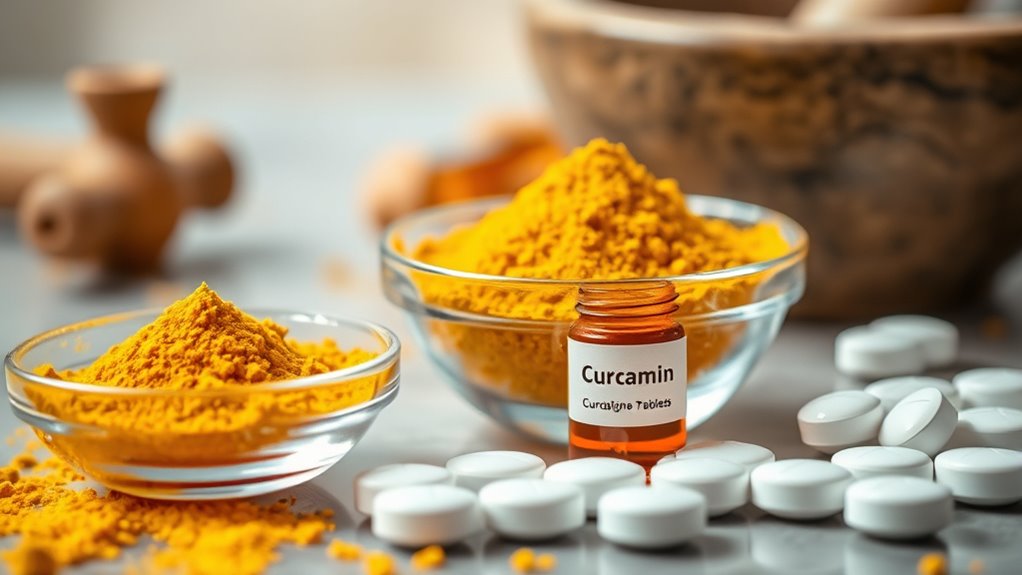

Curcumin, found in turmeric, works synergistically with analgesic drugs by boosting their anti-inflammatory and pain-relief effects. It targets multiple pain pathways, reduces cytokine production, and inhibits enzymes like COX-2, which enhances overall relief. Combining curcumin with medications allows you to lower drug doses, minimizing side effects while improving effectiveness. If you want to understand how this powerful natural and pharmaceutical combo can help your pain management, there’s more to discover ahead.
Key Takeaways
- Curcumin enhances pain relief by reducing inflammation and modulating pain signaling pathways when combined with analgesics.
- Combining curcumin with analgesics can lower medication doses, minimizing side effects and adverse reactions.
- The anti-inflammatory properties of curcumin complement traditional pain medications, targeting underlying causes of pain more effectively.
- Curcumin may improve tissue health and neural activity, supporting overall pain management alongside analgesic drugs.
- Synergistic use of curcumin and analgesics requires healthcare consultation to avoid interactions and optimize safety.
Understanding Curcumin’s Anti-Inflammatory Properties

Curcumin, the active compound in turmeric, is widely recognized for its potent anti-inflammatory effects. However, its therapeutic potential depends heavily on its bioavailability and stability. Curcumin bioavailability refers to how effectively your body absorbs and utilizes it. Sadly, curcumin has low bioavailability due to poor absorption and rapid metabolism. To overcome this, formulations often include piperine or use advanced delivery systems. Additionally, curcumin’s stability plays a vital role; it must remain stable during processing and within the body to exert its effects. When properly formulated, curcumin can effectively modulate inflammatory pathways, reducing cytokine production and inhibiting enzymes like COX-2. Understanding these factors helps optimize its anti-inflammatory properties, making it a valuable adjunct in managing inflammation-related conditions.
The Role of Analgesic Drugs in Pain Management
Pain management relies heavily on analgesic drugs, which are designed to reduce or eliminate discomfort by targeting the body’s pain pathways. These drugs include opioids, NSAIDs, and nerve blocks, providing diverse options for different needs. Opioid alternatives, such as acetaminophen or gabapentinoids, help minimize dependency risks. Nerve blocks deliver localized relief, especially during surgeries or severe pain episodes. Understanding these options helps you choose effective strategies. Additionally, the appropriate use of airless paint sprayers can significantly improve efficiency and finish quality in painting projects. Employing knowledge of personality traits can also enhance communication and treatment approaches in healthcare settings. Recognizing the potential benefits of complementary therapies alongside conventional medications may further improve pain management outcomes. Incorporating herbal supplements like curcumin, which has shown potential synergistic effects with analgesic drugs, could enhance pain relief while reducing medication dosages. As cybersecurity threats evolve, integrating AI security technologies into healthcare data protection strategies becomes increasingly vital for ensuring patient confidentiality and compliance.
How Curcumin Enhances the Effectiveness of Pain Relievers
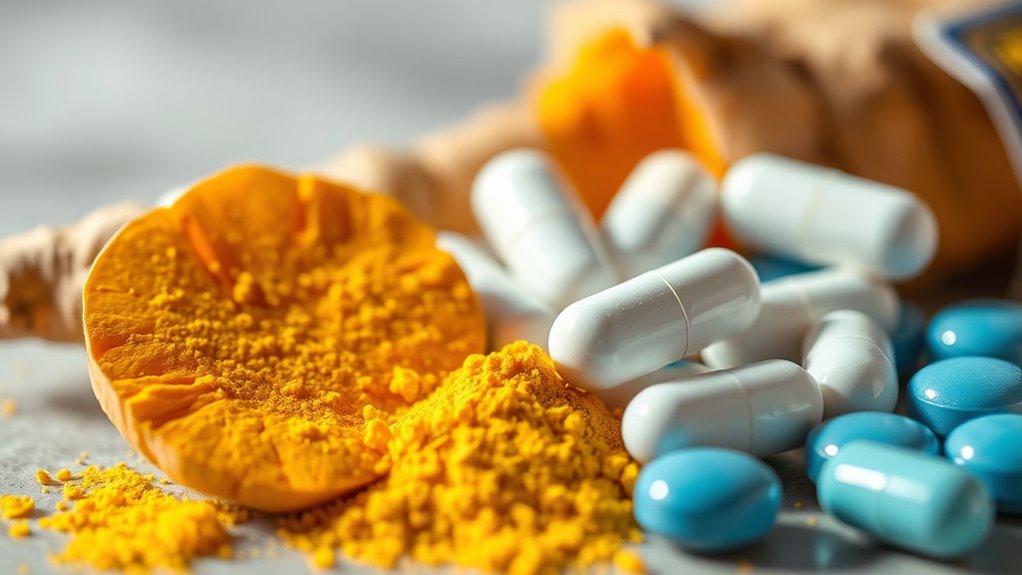
Research shows that combining natural compounds with conventional pain relievers can substantially boost their effectiveness. Curcumin, a key component in herbal remedies, can enhance the action of standard analgesics, making them more efficient at reducing pain. This synergy means you might use lower doses of pain medications, potentially decreasing side effects. Many people turn to alternative therapies like turmeric supplements to complement their existing pain management strategies. Curcumin’s anti-inflammatory properties help target underlying causes of pain, working alongside analgesics to provide faster relief. This combined approach not only amplifies pain relief but also supports overall joint and tissue health. Additionally, somatic therapy techniques have been shown to improve emotional regulation, which can further support pain management efforts. Incorporating mindfulness practices such as deep breathing exercises can help reduce stress, which often exacerbates pain symptoms. By integrating curcumin into your regimen, you can optimize the benefits of your pain management plan while exploring natural options.
Scientific Evidence Supporting the Synergy Between Curcumin and Analgesics

Scientific studies show that combining curcumin with analgesics can lead to better pain relief. This synergy is largely due to curcumin’s strong anti-inflammatory effects that complement pain medications. By examining this evidence, you can better understand how this combination enhances overall pain management. Additionally, research indicates that curcumin may also reduce the dosage needed for conventional analgesics, potentially minimizing side effects. The effectiveness of this combination can be further supported by understanding the contrast ratio of the involved agents, as higher contrast ratios yield deeper blacks and brighter whites, which can influence the perception of pain relief. Incorporating eco-friendly practices into sourcing and production of these compounds can also promote more sustainable pain management options. Moreover, integrating natural compounds like curcumin with traditional analgesics aligns with growing trends toward environmentally conscious healthcare.
Enhanced Pain Relief
Numerous studies reveal that combining curcumin with standard analgesic drugs can substantially enhance pain relief. This synergy often allows you to use lower doses of pain medications, reducing side effects. Imagine:
- A person experiencing chronic pain feeling relief faster and longer.
- An individual using herbal supplements alongside prescribed drugs for improved comfort.
- A patient relying on alternative medicine strategies to manage pain more effectively.
Research shows that curcumin’s properties boost the effectiveness of analgesics by modulating pain pathways and reducing inflammation. This combined approach offers a promising option for those seeking non-opioid pain management. By integrating curcumin with traditional medications, you may experience more significant pain relief and a better quality of life, making it an attractive choice within alternative medicine.
Anti-Inflammatory Effects
Emerging evidence indicates that the anti-inflammatory effects of curcumin markedly enhance the pain-relieving properties of analgesic drugs when used together. Curcumin, as a key component of herbal extracts, exhibits potent immune modulation, reducing inflammatory mediators like cytokines and prostaglandins. This modulation helps diminish tissue inflammation, which often underpins chronic pain conditions. When combined with analgesics, curcumin’s ability to target inflammation pathways can lead to a synergistic effect, improving overall pain management. Scientific studies show that this combination not only amplifies anti-inflammatory responses but also potentially lowers the required doses of conventional drugs, reducing side effects. Overall, curcumin’s immune-modulating properties make it a valuable adjunct in therapies aimed at controlling inflammation and enhancing analgesic efficacy.
Mechanisms Behind the Improved Pain Relief

The combination of curcumin with analgesic drugs enhances pain relief by targeting multiple pathways involved in pain signaling. This synergy works through various mechanisms, including modulating pain pathways and enhancing herbal extracts’ effects. Imagine:
- Narrowing the transmission of pain signals at nerve endings.
- Reducing inflammation by suppressing pro-inflammatory mediators.
- Altering neurotransmitter activity in the brain to diminish pain perception.
- Enhancing herbal extract effectiveness to improve overall analgesic outcomes.
Additionally, understanding the content quality of herbal supplements can influence their efficacy and safety in combination therapies. Recognizing the dog breed characteristics can help tailor approaches in herbal and analgesic treatments for different subjects. Moreover, ongoing AI security research highlights the importance of ensuring safe and reliable use of advanced therapies and technologies in healthcare. Proper planning and knowledge of retirement planning principles can also support long-term health and well-being, especially when managing chronic conditions with integrated approaches.
Potential Benefits and Considerations of Combining Curcumin With Medications

Combining curcumin with medications could enhance your pain relief and allow you to lower your drug dosages. However, you should also be aware of potential interactions that might affect your treatment. Understanding these benefits and risks helps you make informed decisions about your pain management options. Additionally, consulting healthcare professionals is essential to ensure safe use, especially considering essential oil safety and potential contraindications. It is also important to be aware of entertainment and parks schedules and hours to plan your visits accordingly, avoiding unnecessary stress or scheduling conflicts that could impact your overall well-being. Recognizing the distinctive features of Golden Dachshunds can also be beneficial if you’re considering integrating therapy or assistance dogs into your health routine.
Enhanced Pain Relief Potential
Integrating curcumin with standard analgesic drugs can enhance pain relief by leveraging their complementary mechanisms. This combination may boost effectiveness, providing stronger relief with potentially lower medication doses. Imagine:
- You experience faster relief, as curcumin’s anti-inflammatory properties work alongside your medication.
- You reduce the need for higher doses of analgesics, decreasing side effects.
- You can incorporate herbal supplements like curcumin into your routine despite dietary restrictions, as it’s generally well-tolerated.
Additionally, bioavailability enhancement strategies can improve curcumin’s effectiveness when combined with these medications. However, consider that herbal supplements can interact with certain medications, so consulting your healthcare provider is essential. Combining curcumin with analgesics might open new possibilities for better pain management, especially if you’re seeking holistic options.
Reduced Medication Dosage Needs
Using curcumin alongside traditional medications can help lower the required doses of analgesics, which may reduce the risk of side effects and improve safety. As an herbal supplement, curcumin is gaining recognition in alternative medicine for its anti-inflammatory properties. When combined with pain medications, it may enhance pain management efficiency, allowing you to use smaller doses of drugs. This can be especially beneficial if you’re concerned about the long-term effects of high-dose analgesics, such as gastrointestinal issues or dependence. By reducing medication dosage needs, you may also experience fewer adverse reactions. Incorporating herbal supplements like curcumin into your pain management plan offers a promising strategy to optimize treatment outcomes while minimizing medication-related risks. Additionally, understanding managing medication risks can support safer and more effective pain relief strategies. Exploring drug interactions is essential to ensure that combining curcumin with other medications is safe and effective. Being aware of Gold IRA information can help safeguard your investments while considering holistic approaches to health.
Possible Interaction Risks
While curcumin offers potential benefits when paired with medications, it’s important to be aware of possible interaction risks. You might encounter drug interactions that could alter how your medications work, potentially reducing their effectiveness or increasing side effects. To visualize this, consider:
- A medication’s potency being diminished or amplified unexpectedly.
- Unanticipated side effects emerging, complicating side effect management.
- Increased bleeding risk if combined with blood thinners due to curcumin’s effect on clotting.
These risks highlight the importance of consulting your healthcare provider before combining curcumin with analgesic drugs. Monitoring for adverse reactions helps minimize complications and ensures safe, effective pain management while leveraging curcumin’s benefits. Always prioritize professional guidance to avoid unintended drug interactions.
Future Perspectives on Natural and Conventional Pain Treatments
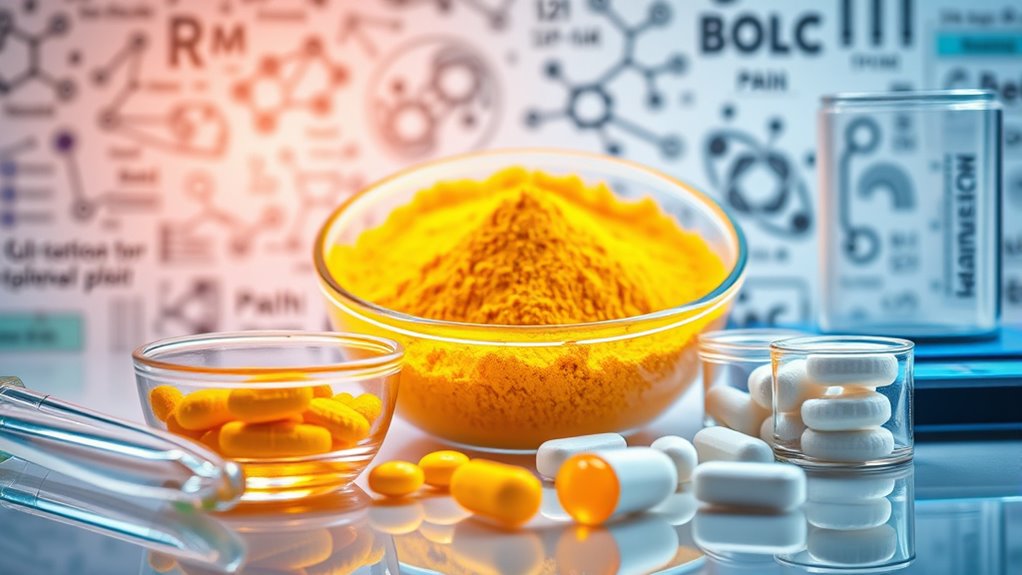
Looking ahead, the future of pain management lies in combining natural compounds like curcumin with conventional drugs to enhance efficacy and reduce side effects. You’ll see an increased focus on herbal formulations and alternative therapies that integrate these natural agents with standard treatments. This approach aims to create more personalized and effective pain relief strategies, minimizing reliance on high-dose pharmaceuticals. Research is exploring how natural compounds can complement existing medications, leading to synergistic effects that improve pain control. As scientific understanding deepens, you may find yourself choosing integrated treatment plans that prioritize safety, fewer adverse effects, and holistic well-being. The goal is to develop innovative, multi-modal therapies that harness the best of both natural and conventional medicine for ideal pain management.
Frequently Asked Questions
Can Curcumin Replace Traditional Analgesic Medications Completely?
You can’t rely solely on curcumin to replace traditional analgesic medications. While herbal alternatives and natural remedies like curcumin may help manage mild pain and reduce inflammation, they often lack the potency needed for severe pain or chronic conditions. It’s best to use curcumin as a complementary treatment alongside conventional drugs, rather than a complete substitute, especially under medical guidance.
Are There Specific Types of Pain That Respond Better to Curcumin and Analgesic Combinations?
Think of pain as a stubborn river that flows differently depending on its source. You find that chronic conditions like arthritis and inflammatory pain respond better to curcumin and analgesic combinations. These types of pain, rooted in inflammation, soften when both are used together, easing your discomfort. The synergy targets the underlying inflammation, making it especially effective for stubborn, long-lasting pain, and offering relief where single treatments might fall short.
What Are the Potential Side Effects of Combining Curcumin With Pain Medications?
When you combine curcumin with pain medications, you might experience gastrointestinal effects like nausea or stomach upset. There’s also a small risk of allergic reactions, such as rash or difficulty breathing. While generally safe, it’s wise to monitor for these side effects and consult your healthcare provider, especially if you have allergies or gastrointestinal sensitivities. This way, you can enjoy potential benefits while minimizing risks.
How Does Dosing of Curcumin Affect Its Synergy With Analgesics?
Your dosing of curcumin substantially impacts its synergy with analgesics. Maintaining a consistent dosing frequency helps guarantee steady levels in your system, enhancing effectiveness. The ideal dosage varies based on individual needs, but sticking to recommended amounts maximizes benefits while minimizing side effects. Proper dosing can boost pain relief, allowing you to potentially lower the required dose of analgesics, improving safety and reducing adverse effects.
Is There Any Risk of Drug Interactions When Using Curcumin With Prescribed Pain Relievers?
Yes, there’s a potential for herbal interactions when you take curcumin with prescribed pain relievers, which could affect medication safety. Curcumin might enhance blood-thinning effects or alter how your body metabolizes certain drugs, increasing bleeding risk or reducing efficacy. To stay safe, consult your healthcare provider before combining curcumin with any medications, especially analgesics, to ensure proper herbal interactions are handled safely.
Conclusion
As you explore the synergy between curcumin and analgesics, you’ll discover how natural anti-inflammatory power can unexpectedly boost your pain relief. Combining these approaches might just be the coincidence your body needs for better comfort and fewer side effects. Embracing this harmony of nature and medicine could open new doors in pain management, reminding you that sometimes, the best solutions come from combining what’s natural with what’s proven.