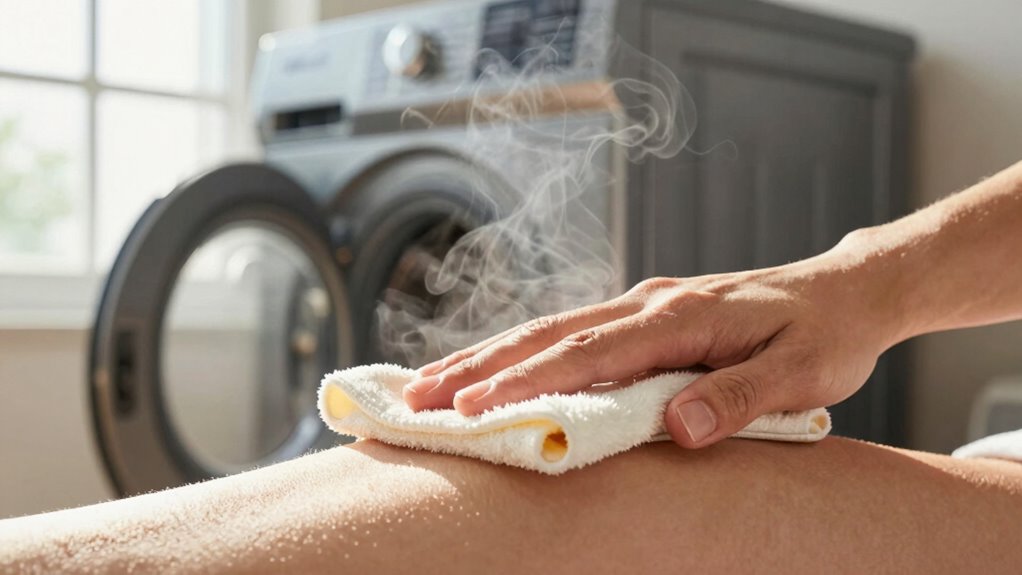

If you use heat daily, prioritizing comfort and washability keeps your clothes looking and feeling their best for longer. Fabrics with high durability resist fraying and losing shape, saving you money over time. Good moisture-wicking and stain resistance add to the ease of maintenance, ensuring your clothes stay fresh despite frequent washing. Focusing on these practical qualities beats hype, helping you choose clothing that performs reliably day after day. Keep exploring to discover how to make smarter fabric choices.

Get oils, diffusers and self-care delivered free with Prime
- Fast, free delivery on millions of items
- Prime Video, Amazon Music and more included
- Member-only deals all year
Key Takeaways
- Fabrics with high durability resist damage from frequent washing and heat exposure, maintaining comfort over time.
- Moisture-wicking properties help manage sweat, preventing discomfort caused by heat and ensuring fabric longevity.
- Proper fabric care routines preserve fabric integrity, making clothing and bedding easier to wash and more comfortable daily.
- Heat-resistant materials prevent fraying, pilling, and shape loss, ensuring consistent comfort despite daily heat exposure.
- Testing and standards confirm fabrics can withstand daily heat, washing, and wear, providing reliable comfort without hype.
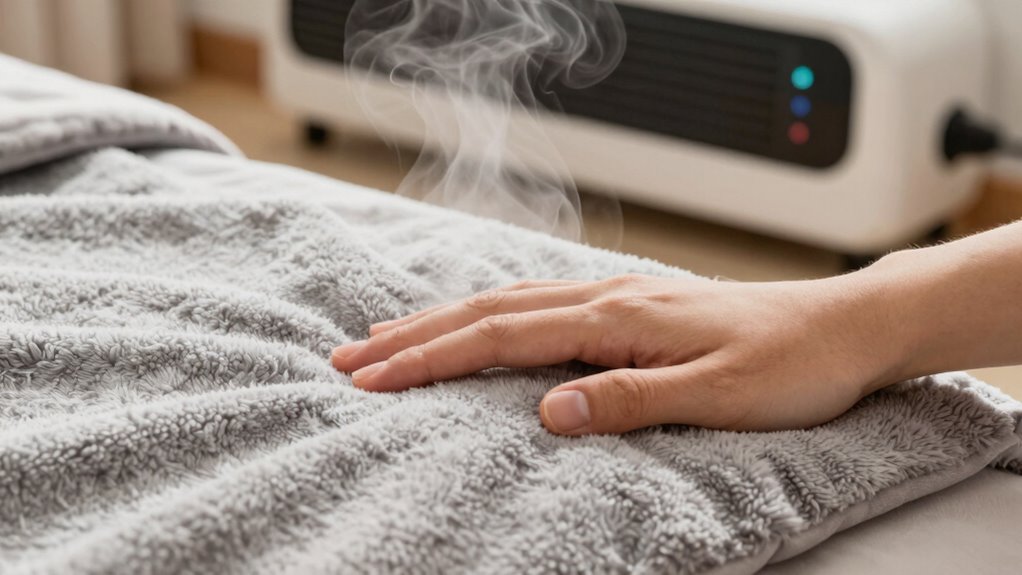
If you rely on heat every day, prioritizing comfort and washability can make a significant difference in your routine. When choosing clothing or bedding, consider how well the fabric holds up through frequent use and washing. Fabric durability is key because it determines how long your items will last without fraying, pilling, or losing their shape. Durable fabrics save you money over time and reduce the need for constant replacements. Look for materials like tightly woven cotton, wool blends, or specially treated synthetics that resist wear and tear. These choices ensure that your everyday essentials stay comfortable and functional despite daily use.
Thermal regulation is another critical factor when you use heat regularly. The right fabric should help maintain a comfortable temperature, preventing you from overheating or feeling chilled. Natural fibers like wool and certain high-tech synthetics excel at this, as they can wick moisture away from your skin and trap air to insulate effectively. This balance keeps you feeling cozy without becoming too hot, which is especially important if you’re wearing the same clothing or bedding throughout the day. When fabrics support good thermal regulation, they contribute to your overall comfort and can even improve your sleep or daily performance. Additionally, choosing fabrics with moisture-wicking properties can further enhance thermal comfort by managing sweat effectively. Proper fabric care routines also prolong the lifespan of these materials, ensuring they retain their functional qualities over time. Using stain-resistant treatments can help maintain their appearance and ease of cleaning, which is vital for daily use. Incorporating fabric testing ensures the materials meet durability and comfort standards, making your daily wear more reliable.
Products Worth Considering

Fitbit Versa 4 Health and Fitness Smartwatch with GPS, Heart Rate and Sleep Tracking, Alexa, Water Resistant, Black

Garmin Forerunner 245 Music GPS Running Smartwatch, Black

Oral-B iO Series 5 Rechargeable Electric Toothbrush with 5 Cleaning Modes, Travel Case and 3 Brush Heads – Black
As an affiliate, we earn on qualifying purchases.
Frequently Asked Questions
How Do I Choose the Best Heat-Resistant Fabrics?
To choose the best heat-resistant fabrics, focus on fabric texture and heat retention. Opt for smooth, tightly woven textures that provide better protection. Look for materials like Kevlar or Nomex, which excel at heat retention and resist high temperatures. Avoid fabrics that easily melt or degrade. By prioritizing these qualities, you’ll select fabrics that keep you safe and comfortable during regular heat exposure.
What Maintenance Tips Improve Fabric Longevity?
Think of your fabric as a trusted friend—treat it well, and it’ll last longer. To boost longevity, regularly use fabric softening to keep fibers supple and prevent brittleness. Always address stains promptly to avoid permanent damage, and follow care instructions carefully. Gentle washing and avoiding harsh chemicals also help maintain stain resistance. These simple habits turn everyday maintenance into a powerful tool for extending your fabric’s life.
Are There Eco-Friendly Heat-Resistant Materials?
Yes, eco-friendly textiles and sustainable fibers are increasingly available as heat-resistant materials. You can find options like bamboo-based fabrics, hemp, or recycled polyester, which offer good heat resistance while reducing environmental impact. These materials are durable, washable, and comfortable, making them ideal for daily heat exposure. By choosing eco-friendly heat-resistant textiles, you support sustainable practices without sacrificing performance or comfort in your daily routines.
How Does Fabric Thickness Affect Washability?
Thicker fabrics generally enhance fabric durability, making them more resistant to wear during frequent washing. However, they may take longer to dry and could feel less comfortable if too heavy. If you wash your clothes often, opt for medium to lightweight fabrics that balance durability with ease of maintenance. This way, your garments stay in good shape longer, even with frequent washing, without sacrificing comfort.
Can Comfort Compromise Heat Resistance?
Comfort can sometimes compromise heat resistance, creating a visual like a delicate, flexible fabric bending under intense heat. When fabric prioritizes comfort and flexibility, it often uses softer, thinner materials that may reduce heat compromise but also lower heat resistance. You might notice this balance in clothing—more comfortable fabrics offer less insulation and protection against heat, so you need to choose wisely based on your daily heat exposure and comfort needs.
Conclusion
When you rely on heat every day, prioritize comfort and washability over fleeting trends. Think of your routine as tending a gentle garden—nurturing what’s resilient and soothing, rather than chasing after the latest flashy bloom. By choosing wisely, you create a sanctuary that welcomes you each day, soft as a whisper and easy to care for. In the end, it’s these quiet, dependable essentials that keep your daily comfort blooming.