

Devil’s Claw has a long history of traditional use for arthritis pain relief, thanks to its anti-inflammatory properties. Scientific studies show it can reduce pain and improve joint function when taken at recommended doses, usually 50-100 mg, 2-3 times daily. Side effects are mild but may include stomach upset. To get the best results safely, follow proper usage guidelines and consult healthcare providers. If you want more details, you’ll find helpful insights in the information below.
Key Takeaways
- Clinical trials indicate Devil’s Claw can reduce arthritis pain and improve joint mobility when taken consistently.
- Typical effective doses range from 50-100 mg of active compounds, taken 2-3 times daily.
- Side effects may include stomach upset, allergic reactions, or gastrointestinal discomfort; professional guidance is recommended.
- Devil’s Claw acts as a natural anti-inflammatory, offering an alternative to NSAIDs for arthritis symptom relief.
- Proper storage, dosing, and consultation with healthcare providers optimize safety and treatment effectiveness.
What Is Devil’s Claw and How Does It Work?

Devil’s Claw is a plant native to southern Africa that has been used for centuries to treat various ailments. Its traditional uses include alleviating pain, reducing inflammation, and improving mobility. The plant’s roots contain active compounds believed to have anti-inflammatory properties, which help ease joint discomfort. Its cultivation requirements make it suitable for growth in dry, rocky soils and in warm temperatures. Cultivators often harvest the roots, which are then processed into powders, extracts, or capsules for medicinal use. Proper harvesting techniques ensure the plant’s sustainability and potency. Additionally, understanding plant harvesting practices is essential for maintaining the quality and efficacy of Devil’s Claw preparations. Sustainable cultivation practices are important to prevent overharvesting and ensure the plant’s availability for future use. Ensuring regulatory compliance is also important to guarantee safety and efficacy in modern preparations. While traditional uses focus on pain relief and inflammation, modern preparations aim to harness these natural benefits. Understanding how the plant is cultivated and prepared gives you insight into why it’s become a popular natural remedy for arthritis symptoms.
Scientific Evidence Supporting Devil’s Claw for Arthritis Relief

Research suggests that devil’s claw may offer real benefits for arthritis sufferers, supported by several clinical trials. These studies indicate reduced pain and improved joint function with consistent use. However, the effectiveness varies, and understanding proper dosage guidelines is essential. Clinical trials show that doses between 50-100 mg of active compounds, taken two to three times daily, tend to be effective. The table below summarizes key findings:
| Study | Sample Size | Results |
|---|---|---|
| Trial 1 | 100 patients | Pain reduction in 4 weeks |
| Trial 2 | 60 patients | Improved joint mobility |
| Trial 3 | 80 patients | Reduced inflammation |
| Trial 4 | 50 patients | No adverse effects observed |
| Trial 5 | 120 patients | Long-term benefits noted |
Additionally, understanding the active compounds in devil’s claw can help optimize its use for arthritis relief. Research evidence supports its potential, but further studies are needed to confirm optimal dosing and long-term safety. Moreover, the presence of natural bioactive components may contribute to its anti-inflammatory effects, emphasizing the importance of standardized extracts for consistent results.
How to Use Devil’s Claw Safely and Effectively

To use devil’s claw safely and effectively, it’s important to follow proper dosage guidelines and consult with your healthcare provider before starting supplementation. Stick to the recommended dosage on the product label or as advised by your doctor to avoid potential side effects. Typically, doses range from 50 to 100 mg of active constituents taken two to three times daily. Proper storage tips also matter: keep the supplement in a cool, dry place away from direct sunlight to preserve its potency. Always use the original container and ensure it’s tightly sealed. If you experience any adverse reactions or if you’re pregnant or nursing, seek medical advice immediately. Being aware of herbal supplement safety can help you make informed decisions about natural remedies. Additionally, understanding cost of living adjustments in health products can assist in budgeting for ongoing supplement needs. Staying informed about remote hackathons can provide additional opportunities for learning about new health research and innovations. Moreover, noting the exfoliating properties of glycolic acid can help you achieve better skin results when used appropriately. Following these guidelines helps maximize benefits while minimizing risks. The vetted 1st home theatre projector has been recommended for optimal viewing experiences at home.
Potential Benefits and Side Effects of Devil’s Claw

Devil’s Claw may offer anti-inflammatory benefits that could help ease arthritis pain, but it’s important to be aware of potential side effects. Some people might experience adverse reactions like stomach upset or allergic responses. Knowing both the benefits and risks can help you decide if this supplement is right for you. Additionally, understanding the role of inflammation in joint health can provide better insight into how Devil’s Claw may work.
Anti-inflammatory Effects
Because of its natural anti-inflammatory properties, Devil’s Claw has gained popularity as a supplement for easing arthritis pain. Its effectiveness likely stems from herbal synergy, where its active compounds work together to modulate inflammation. You may notice reduced swelling and discomfort as the plant helps regulate the body’s inflammatory response. Devil’s Claw contains iridoid glycosides, which play a key role in inflammation modulation, supporting joint health. By targeting inflammation directly, it offers a natural alternative to NSAIDs. Additionally, some studies suggest that creativity in problem-solving can be enhanced when exploring natural remedies like Devil’s Claw, as it encourages a holistic approach to health. Understanding the shelf life of herbal supplements can help you ensure the potency and safety of products like Devil’s Claw. However, keep in mind that its anti-inflammatory effects can vary between individuals. While generally considered safe, some may experience side effects. Understanding how Devil’s Claw influences inflammation helps you decide if it’s a suitable addition to your arthritis management plan.
Possible Adverse Reactions
While Devil’s Claw offers potential benefits for managing arthritis pain, it’s important to be aware of possible adverse reactions. Some people may experience allergic reactions, such as skin rashes or itching, especially if they have sensitivities to plants in the same family. Gastrointestinal issues are also common, including stomach upset, nausea, or diarrhea, which can occur when taking higher doses or on an empty stomach. If you notice any allergic symptoms or persistent gastrointestinal discomfort, it’s best to stop use and consult your healthcare provider. Although generally well-tolerated, these side effects highlight the importance of starting with a low dose and monitoring your response closely. Being cautious helps you enjoy the potential benefits while minimizing risks. Additionally, understanding common side effects can help you better prepare for your treatment. Incorporating mindfulness techniques may also assist in managing discomfort and reducing stress related to pain. Considering proper dosage guidelines is crucial for safe and effective use of Devil’s Claw.
Comparing Devil’s Claw With Other Natural Remedies
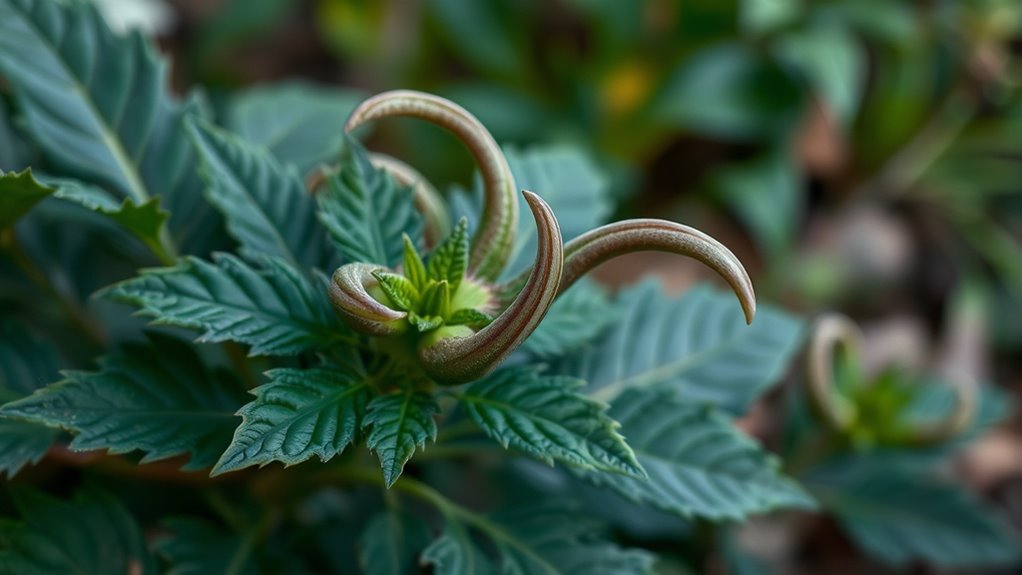
When comparing Devil’s Claw to other natural remedies for arthritis pain, it’s important to evaluate their effectiveness, safety, and availability. Herbal comparisons show that remedies like turmeric, ginger, and boswellia are popular alternatives, each with varying levels of scientific support. Some, like turmeric, have anti-inflammatory properties similar to Devil’s Claw, but they may differ in strength or onset of relief. Safety profiles also vary; Devil’s Claw may cause gastrointestinal issues for some, while others like ginger are generally well-tolerated. Availability can influence your choice, as some remedies are easier to find than others. Additionally, understanding the characteristics of a healthy supplement can help guide your decision-making process. The scientific evidence supporting natural remedies continues to grow, providing a clearer picture of their potential benefits and limitations. Moreover, advancements in AI security help ensure the safety and efficacy of digital health tools used to monitor these remedies. It is also helpful to consider the efficacy of natural remedies in managing pain, as scientific studies continue to explore their potential benefits. Overall, these alternative therapies offer options, but you should consider individual responses and consult with a healthcare provider before making your decision.
Tips for Incorporating Devil’s Claw Into Your Pain Management Plan

To effectively incorporate Devil’s Claw into your pain management routine, start by consulting your healthcare provider to determine the appropriate dosage and form. Follow dosage guidelines carefully to avoid potential side effects. Incorporate Devil’s Claw as part of a broader plan that includes other complementary therapies, such as physical therapy, exercise, or dietary changes, to enhance its benefits. Keep track of your response to the supplement, noting any improvements or adverse effects. Consistency is key; take it regularly as recommended. Remember, natural remedies can support your overall pain management, but they work best when combined with other strategies. Always prioritize professional guidance to tailor your approach safely and effectively.
Frequently Asked Questions
Can Children Safely Take Devil’s Claw for Arthritis?
You shouldn’t give devil’s claw to children for arthritis without consulting a healthcare professional. Pediatric safety isn’t well established, and dosage guidelines for kids are unclear. Children’s bodies react differently, so self-medicating can be risky. Always speak with a pediatrician to determine if devil’s claw is appropriate and safe, and follow their guidance on proper dosage to avoid potential side effects or adverse reactions.
How Long Does It Take to See Results From Devil’s Claw?
Imagine the gentle warmth spreading through your joints, bringing relief. You might start noticing symptom relief within one to four weeks, but onset duration can vary. Some people feel improvement sooner, while others need a bit more patience. Consistent use is key, and over time, devil’s claw can help reduce inflammation and pain, making daily activities easier. Keep track of your progress to see how your body responds.
Are There Any Known Drug Interactions With Devil’s Claw?
You should be aware that devil’s claw can interact with certain drugs, so check for potential drug interactions before use. It may enhance bleeding risk if you’re on blood thinners, and it could interfere with medications for high blood pressure or diabetes. People with contraindications like gastric ulcers or gallstones should avoid it. Always consult your healthcare provider to guarantee it’s safe based on your current medications and health conditions.
What Forms of Devil’s Claw Are Most Effective?
You’ll find that capsule form of devil’s claw offers the best efficacy, as it delivers concentrated active compounds directly to your system. Topical applications can also help reduce localized pain, but they may not be as potent overall. To maximize relief, consider taking capsules consistently, but consult your healthcare provider to guarantee proper dosage and safety, especially if you’re combining it with other treatments.
Is Devil’s Claw Suitable for Long-Term Use?
You should be cautious with long-term use of devil’s claw, as its long-term safety isn’t well established. While it may offer relief for chronic arthritis, ongoing use could pose risks or cause side effects. If you’re considering taking it for extended periods, consult your healthcare provider to weigh benefits against potential risks. Monitoring your response helps guarantee safe, effective management of your arthritis without compromising your health.
Conclusion
While some worry about side effects, using devil’s claw responsibly can offer natural relief for arthritis pain. Just follow recommended dosages and consult your healthcare provider if you have concerns. By incorporating it safely into your routine, you may experience reduced discomfort without relying solely on medication. Don’t let fears hold you back—exploring herbal options like devil’s claw could be a helpful part of your pain management plan. Give it a try with confidence and care.