
If you’re seeking herbal aids beyond chamomile for menstrual cramps, explore options like ginger, which reduces pain with its active gingerol compounds, or cramp bark to relax muscle spasms naturally. Dong quai helps balance hormones, while turmeric offers anti-inflammatory relief. Raspberry leaf strengthens uterine muscles, and valerian root calms nerves and relaxes muscles. These lesser-known remedies can provide effective comfort—you’ll discover more solutions that could help ease your discomfort.
Key Takeaways
- Ginger reduces prostaglandin production, decreasing menstrual cramp severity and duration when consumed regularly.
- Cramp bark relaxes muscles and eases spasms, providing traditional relief without harsh chemicals.
- Dong quai acts as an adaptogen, balancing hormones and supporting menstrual health and comfort.
- Turmeric’s anti-inflammatory curcumin alleviates pain and can be included in meals or applied as a compress.
- Raspberry leaf nourishes uterine muscles, helping to reduce cramping and regulate menstrual flow naturally.
Ginger: A Spicy Solution for Menstrual Discomfort

When it comes to easing menstrual cramps, ginger has become a popular natural remedy thanks to its anti-inflammatory properties. You can incorporate fresh ginger into your diet by adding it to teas, smoothies, or stir-fries. Its active compounds, like gingerol, help reduce the production of prostaglandins—chemicals responsible for uterine contractions and pain. Consuming ginger regularly may help lessen the severity and duration of cramps. You don’t need large doses; even small amounts can offer relief. Many women find that drinking ginger tea during their period provides soothing comfort. Plus, ginger’s natural spiciness adds flavor without artificial additives. By making ginger a part of your routine, you may find a gentle, effective way to manage menstrual discomfort naturally.
Cramp Bark: Traditional Relief for Muscle Spasms
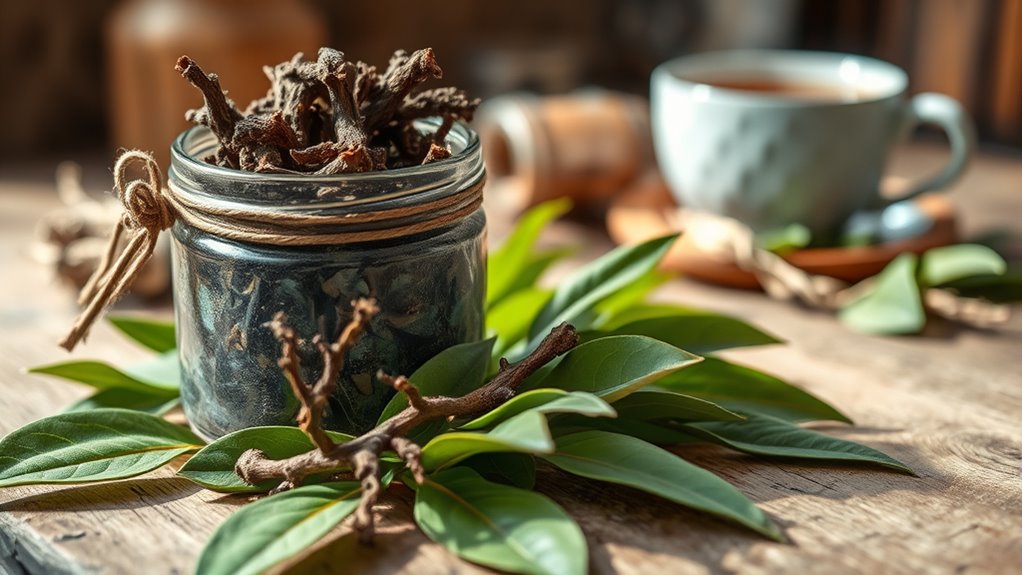
Cramp bark has been used for centuries as a natural remedy to ease muscle spasms and menstrual cramps. It works by relaxing the muscles and reducing pain. When you take cramp bark, you may notice relief from tightness and discomfort. This herbal remedy is often prepared as a tea or tincture, making it easy to incorporate into your routine.
Cramp bark relaxes muscles and eases pain, providing natural relief for cramps and spasms.
You might find it helpful because it:
- Targets muscle spasms directly
- Relieves cramps without harsh chemicals
- Supports overall muscle relaxation
- Has a gentle, calming effect
- Can be combined with other herbal remedies for enhanced relief
While effective, always consult a healthcare provider before starting new herbal treatments, especially if you’re pregnant or on medication.
Dong Quai: An Herbal Adaptogen for Menstrual Balance
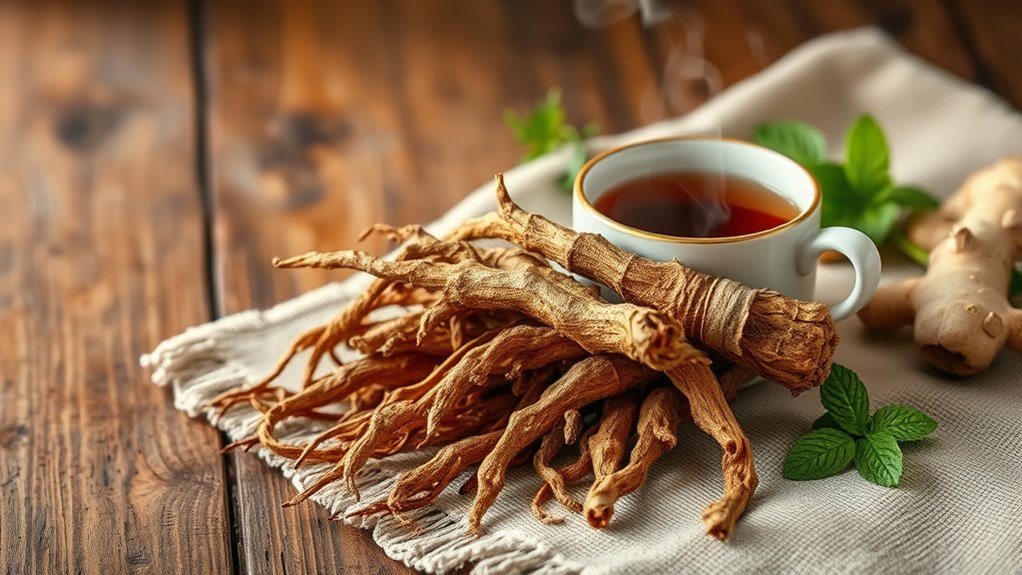
Dong Quai, often called “female ginseng,” acts as an herbal adaptogen that helps regulate your menstrual cycle and support hormonal balance. It works by nourishing your blood and balancing estrogen levels, which can ease symptoms like irregular periods, PMS, and cramps. Dong Quai contains compounds that promote healthy circulation and reduce inflammation, helping to alleviate pain. It also supports your body’s ability to adapt to stress, which can worsen menstrual discomfort. You can take Dong Quai as a tea, capsule, or tincture, but it is crucial to follow recommended dosages. While it’s generally safe, consult your healthcare provider if you’re pregnant or on medication. Incorporating Dong Quai into your routine may bring relief and promote overall menstrual harmony.
Turmeric: Harnessing Its Anti-Inflammatory Power
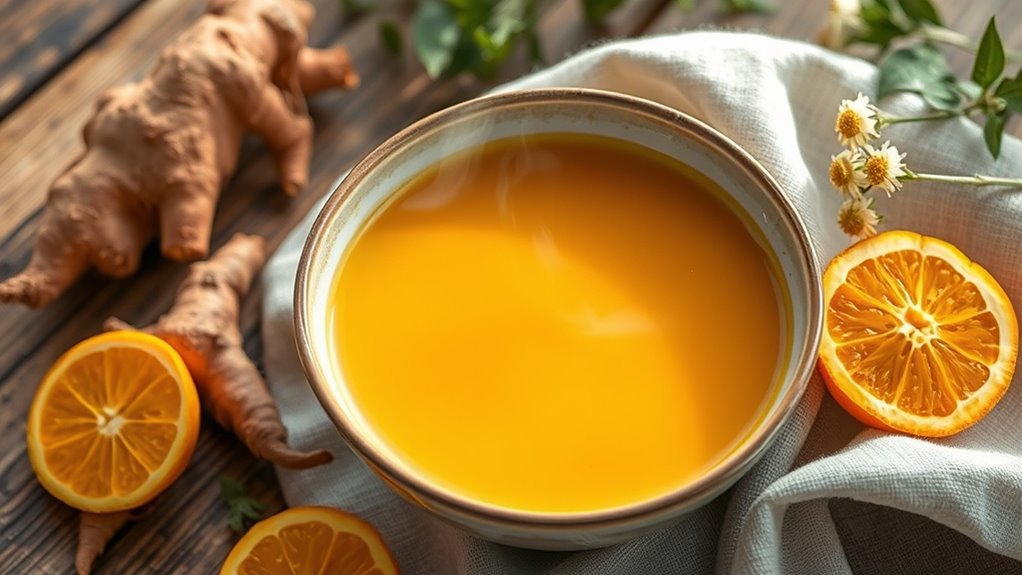
Turmeric is a powerful herbal remedy known for its potent anti-inflammatory properties, making it especially beneficial for easing menstrual cramps. Its active compound, curcumin, helps reduce inflammation and pain. To harness its benefits effectively, you can:
Turmeric’s anti-inflammatory properties can help ease menstrual cramps naturally.
- Add turmeric powder to your meals, like curries or soups
- Take curcumin supplements, ensuring proper dosage
- Brew turmeric tea with honey and lemon for added soothing effects
- Mix turmeric with black pepper to enhance absorption
- Use turmeric in warm compresses on the lower abdomen
Incorporating turmeric into your routine can provide natural relief, decreasing the severity of cramps. Its anti-inflammatory power not only alleviates pain but also promotes overall menstrual comfort. Just remember to consult your healthcare provider before starting supplements.
Raspberry Leaf: Nourishing Support for Menstrual Health

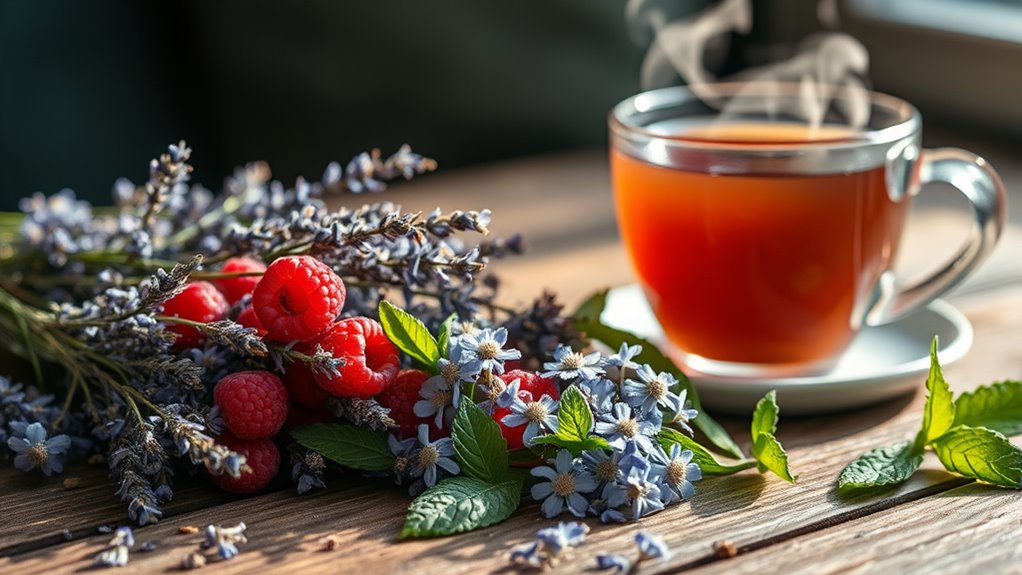
Raspberry leaf has long been valued as a natural remedy to support menstrual health and ease discomfort. It’s rich in vitamins and minerals like vitamin C, magnesium, and iron, which help strengthen the uterine muscles and promote overall reproductive health. Many women find that drinking raspberry leaf tea during their cycle can reduce cramping and lessen heavy bleeding. The herb helps tone the uterine muscles, leading to more regular and less painful periods. You can prepare it by steeping dried raspberry leaves in hot water, drinking a cup daily throughout your cycle. While it’s gentle, consistent use may provide long-term benefits, making it a popular choice for those seeking a nourishing, natural way to manage menstrual discomfort.
Valerian Root: Natural Muscle Relaxant for Cramps
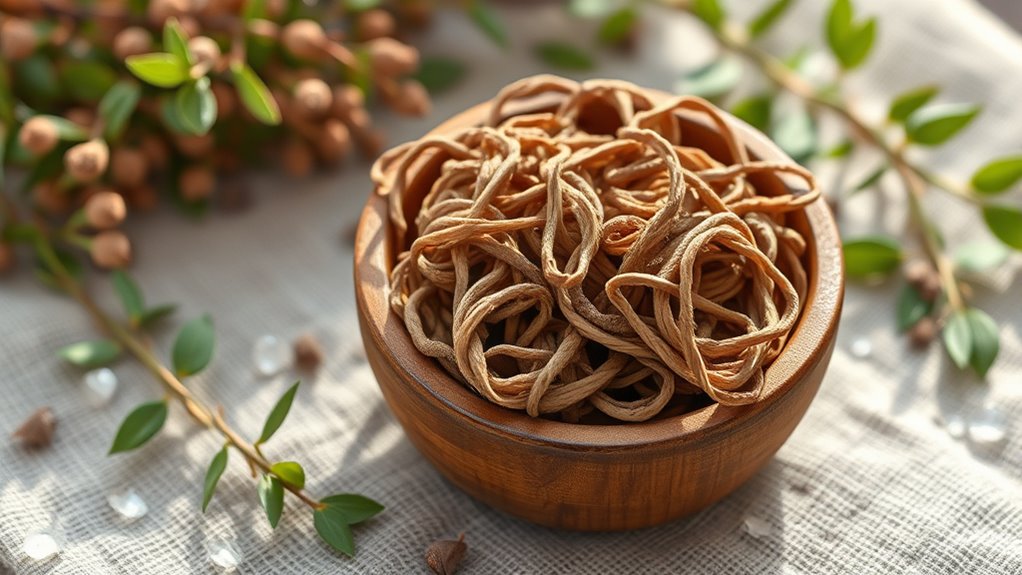
Valerian root is a natural remedy known for its calming effects and ability to relax muscle tissue, making it a helpful option for easing menstrual cramps. It works by gently calming the nervous system and reducing muscle spasms, which can alleviate pain. You might find it effective when taken as a tea or supplement. Valerian can also help improve sleep, often disturbed during cramps. Its calming properties may reduce stress, a common trigger for severe pain. Keep in mind:
- It promotes relaxation without drowsiness during the day
- Helps soothe tense muscles
- Supports better sleep quality
- Acts as a gentle nerve relaxant
- Can be combined with other herbal aids for enhanced relief
Always consult with a healthcare provider before starting valerian, especially if you’re on medication.
Frequently Asked Questions
Are Herbal Remedies Safe for Everyone During Menstruation?
Herbal remedies aren’t safe for everyone during menstruation, especially if you have allergies, take medications, or have underlying health conditions. You should always consult your healthcare provider before trying new herbs, as some can cause adverse reactions or interact with medications. While many herbal aids are natural, they still carry risks, so it’s important to use them cautiously and follow recommended dosages to guarantee your safety.
Can Herbal Treatments Replace Conventional Pain Medications?
Herbal treatments are like gentle whispers compared to loud, conventional pain meds. They can help ease menstrual cramps but usually can’t fully replace strong medications for severe pain. You might find relief with herbs like ginger or turmeric, yet in intense cases, conventional meds are more reliable. Always consult a healthcare provider before switching, as herbs work differently for everyone and might not be enough on their own.
How Long Does It Take for Herbal Remedies to Work?
Herbal remedies can take anywhere from a few days to a couple of weeks to show noticeable effects, depending on the herb and your body’s response. You might feel relief within a few days with some herbs like ginger or cinnamon, but others, like valerian root or evening primrose, may need consistent use over several weeks. Be patient, and remember to consult a healthcare professional before starting any herbal treatment.
Are There Any Side Effects Linked to These Herbal Aids?
About 10% of herbal remedy users report side effects, so it’s wise to make certain to be cautious. These herbal aids can cause allergic reactions, digestive issues, or interact with medications. Always start with small doses and consult your healthcare provider before trying new herbs. While many find relief, staying informed helps prevent unwanted effects and guarantees safe, effective use of these natural options.
Can These Herbs Be Used Together for Better Relief?
You can combine these herbs, but do so cautiously. Start by introducing one herb at a time to monitor your body’s reactions, and consult a healthcare professional first. Some herbs may interact or amplify effects, so it is crucial to know their proper dosages and potential side effects. Mixing herbs may enhance relief, but safety always comes first; make sure you’re informed and attentive to how your body responds.
Conclusion
By exploring these lesser-known herbal aids, you can find natural relief that works alongside your usual remedies. Don’t put all your eggs in one basket—try incorporating ginger, cramp bark, or raspberry leaf into your routine for a holistic approach. Remember, sometimes the best solutions are right under your nose. Keep an open mind, and you might just find the perfect herbal ally to help you weather your monthly storms with less pain and more comfort.