If you’re seeking natural pain relief without NSAID side effects, herbs like turmeric, ginger, and willow bark can help reduce inflammation and discomfort. Topicals like arnica and capsaicin also soothe muscles and joint pain effectively. Herbs such as devil’s claw and boswellia support joint health and mobility. Incorporating these options may provide safer, holistic relief, and exploring their uses can give you more ways to manage pain naturally and comfortably.
Key Takeaways
- Herbal anti-inflammatories like turmeric, ginger, and boswellia can reduce pain and swelling naturally.
- Topical remedies such as arnica and capsaicin offer pain relief without systemic side effects.
- These herbs support joint health and muscle recovery through anti-inflammatory and connective tissue benefits.
- Consistent use and proper dosing, under healthcare supervision, enhance safety and effectiveness of herbal alternatives.
- Natural herbs provide effective pain management options with fewer adverse effects compared to synthetic NSAIDs.
Turmeric: The Golden Spice for Natural Pain Relief

Turmeric, often called the golden spice, has gained popularity as a natural remedy for pain relief. Its active compound, curcumin, offers powerful anti-inflammatory properties that can help reduce joint and muscle pain. You might find it useful as an alternative to NSAIDs, especially if you’re looking to avoid side effects. Incorporating turmeric into your diet or taking supplements can provide ongoing relief, as studies suggest. To maximize absorption, pair it with black pepper or consume it with healthy fats. Turmeric’s versatility makes it easy to add to smoothies, soups, or teas. While it may not replace all medications, many people experience noticeable improvements with consistent use. Remember to consult your healthcare provider before starting new supplements, especially if you’re on medication.
Ginger: a Root With Powerful Anti-Inflammatory Properties

Ginger, another powerful root known for its health benefits, has been used for centuries to combat inflammation and pain. Its active compounds, gingerol and shogaol, have potent anti-inflammatory effects that can help reduce swelling and discomfort. You can incorporate fresh ginger into your diet by adding it to teas, smoothies, or stir-fries. Alternatively, ginger supplements are widely available and may offer a convenient way to harness its benefits. Studies suggest ginger can be effective for conditions like osteoarthritis and muscle soreness, providing relief without the side effects associated with NSAIDs. Regular use might help manage inflammation naturally, supporting joint health and overall wellness. Just remember, moderation is key, and consulting with a healthcare professional is advisable before starting any new herbal regimen.
Willow Bark: Nature’s Aspirin for Discomfort

Have you ever considered that a natural remedy like willow bark could provide relief similar to aspirin? Willow bark contains salicin, a compound that your body converts into salicylic acid, the active ingredient in aspirin. It’s been used for centuries to reduce pain, inflammation, and fever. Unlike synthetic NSAIDs, willow bark offers a gentler alternative with fewer side effects, making it appealing if you’re sensitive to traditional medications. You can find willow bark in teas, capsules, or extracts. Start with small doses to see how your body responds, and consult a healthcare professional before use, especially if you’re on other medications. It’s a natural option that may help ease discomfort without the gastrointestinal issues or other risks associated with conventional NSAIDs.
Devil’s Claw: An Ancient Remedy for Joint and Muscle Aches
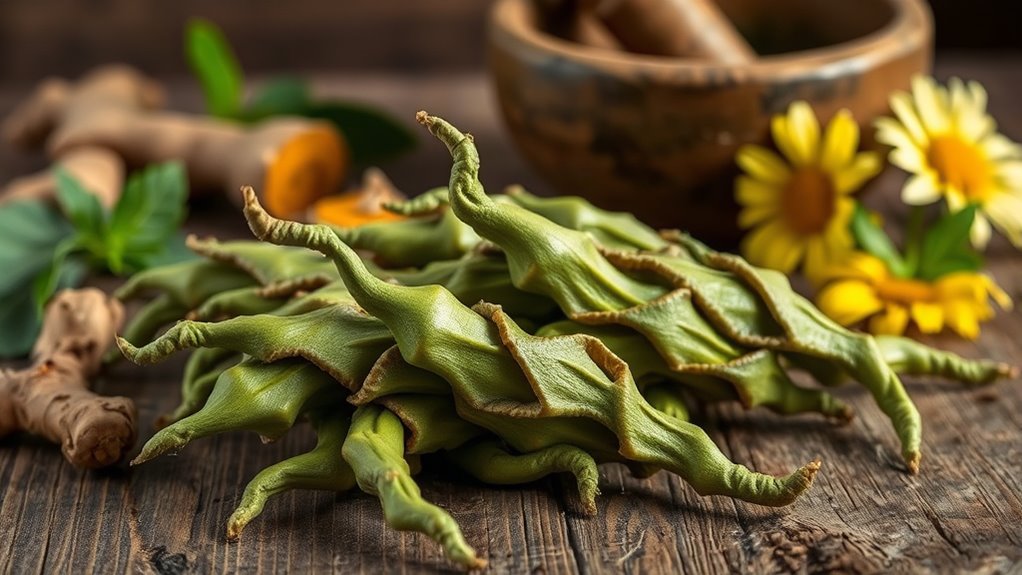
Devil’s Claw has been used for centuries to ease joint and muscle pain, with roots tracing back to African traditional medicine. Its active compounds help reduce inflammation and discomfort, making it a popular herbal option. However, it’s important to understand how to use it safely and be aware of any precautions.
Historical Use and Origins
For centuries, Devil’s Claw has been an essential part of traditional medicine among indigenous peoples in southern Africa. They used the roots to treat various ailments, especially joint and muscle pain. The Nama and Herero tribes valued this plant for its healing properties, often making poultices or infusions from the roots. Historically, local communities relied on Devil’s Claw as a natural remedy long before Western medicine adopted it. European explorers and traders later documented its use, bringing attention to its medicinal potential. Over time, its reputation spread beyond Africa, leading to scientific interest and cultivation for herbal medicine markets worldwide. Its deep-rooted history highlights its significance as a natural treatment embedded in ancient healing practices.
Active Compounds and Effects
The therapeutic effects of Devil’s Claw stem from its unique active compounds that target inflammation and pain. The key ingredients are iridoid glycosides, particularly harpagoside, which reduce inflammatory responses. Additionally, phenolic compounds like flavonoids contribute antioxidant properties, helping to protect tissues from damage. These compounds work together to alleviate joint and muscle discomfort, making Devil’s Claw a natural alternative to synthetic pain relievers.
Here’s what you need to know:
- Harpagoside inhibits enzymes that promote inflammation, helping reduce swelling and pain.
- Flavonoids act as antioxidants, supporting tissue health and recovery.
- Other iridoids enhance circulation and further diminish inflammation, providing extensive relief.
Usage and Precautions
While the active compounds in Devil’s Claw effectively reduce inflammation and pain, it’s important to understand how to use this herbal remedy safely. Always follow dosing instructions on the product label or those given by your healthcare provider. Start with a low dose to assess how your body reacts, especially if you have allergies or sensitivities. Avoid using Devil’s Claw if you’re pregnant, nursing, or have stomach ulcers, gallstones, or bleeding disorders. It may interact with medications like blood thinners or anti-inflammatory drugs, so consult your doctor before combining it with other treatments. Discontinue use if you experience adverse effects such as stomach upset, dizziness, or allergic reactions. Proper usage and caution help you enjoy the benefits without risking unnecessary side effects.
Boswellia: The Herbal Extract Supporting Joint Health

Boswellia is known for its powerful anti-inflammatory properties that can help reduce joint discomfort. It also supports flexibility, making movement easier and less painful. Best of all, it’s safe for long-term use, so you can enjoy its benefits without worry.
Anti-Inflammatory Properties Naturally
If you’re seeking a natural way to reduce inflammation and support joint health, Boswellia offers a compelling option. Its anti-inflammatory properties come from compounds called boswellic acids, which inhibit enzymes involved in inflammation. This herbal extract helps decrease swelling and pain without the side effects of NSAIDs. Incorporating Boswellia into your routine may improve your overall comfort and mobility. Here’s what makes it effective:
- Reduces inflammatory markers, easing joint swelling
- Supports healthy blood flow to affected areas
- May enhance joint function over time
Supports Joint Flexibility
Supporting joint flexibility is one of the key benefits of using Boswellia. This herbal extract helps maintain healthy cartilage and connective tissues, which are essential for smooth, unrestricted movement. When you incorporate Boswellia into your routine, you may notice improved joint mobility and less stiffness, especially after periods of inactivity or physical activity. Its anti-inflammatory properties reduce swelling that can hinder movement, allowing your joints to function more freely. Unlike some medications, Boswellia works gently without causing side effects, making it suitable for long-term use. By supporting the health of joint tissues, Boswellia helps you stay active and maintain your usual range of motion, so you can enjoy daily activities with greater ease.
Safe Long-Term Use
Because Boswellia helps reduce inflammation and improve joint flexibility, many people wonder if it’s safe to use over the long term. The good news is that research suggests it generally is, especially when taken in recommended doses. Long-term use can be beneficial for chronic joint issues without the side effects associated with NSAIDs. However, it’s wise to consult your healthcare provider before continuous use. Here are three key points to consider:
- Minimal Side Effects: Most users experience few adverse effects, making it suitable for extended use.
- Consistent Dosing: Stick to recommended amounts to maintain safety and effectiveness.
- Monitoring: Regular check-ins with your doctor help ensure continued safety and address any concerns.
Boswellia can be a safe, long-term herbal option for joint health when used responsibly.
Peppermint: Soothing Relief for Headaches and Muscle Tension

Peppermint has long been valued for its natural ability to ease headaches and muscle tension. When you feel a headache coming on, applying diluted peppermint oil to your temples can provide quick relief. Its cooling sensation helps relax muscles and improve blood flow, reducing the intensity of pain. For muscle tension, you can massage peppermint oil directly onto sore areas, promoting relaxation and reducing stiffness. The menthol in peppermint acts as a natural analgesic and anti-inflammatory agent, making it effective without side effects associated with some medications. Always dilute essential oils before use and perform a patch test to avoid irritation. Incorporating peppermint into your routine offers a revitalizing, natural way to manage discomfort and promote relaxation without relying on synthetic drugs.
Arnica: Topical Herbal for Soothing Bruises and Sprains

Arnica has been used for centuries as a natural remedy to soothe bruises, sprains, and muscle soreness. When applied topically, it can reduce swelling and ease discomfort. You might notice faster healing and less pain when using arnica gel or ointment after minor injuries. To get the most benefits, consider these tips:
Arnica soothes bruises, reduces swelling, and speeds healing when applied promptly and consistently.
- Apply arnica promptly after injury for best results.
- Use consistently, but avoid open wounds or broken skin.
- Follow instructions on the product to prevent irritation or allergic reactions.
Arnica’s anti-inflammatory properties help reduce inflammation and promote healing without the side effects often associated with NSAIDs. It’s a safe, natural choice for easing pain and supporting recovery from minor injuries.
Capsaicin: The Spicy Compound for Pain Management

Capsaicin, the active compound found in chili peppers, offers a natural way to manage pain through topical application. When applied to your skin, it works by depleting and desensitizing pain-causing substances called substance P. This process reduces the sensation of pain over time, making it effective for conditions like arthritis, muscle soreness, and nerve pain. You can find capsaicin in creams, patches, and ointments, which are easy to incorporate into your pain relief routine. Keep in mind, initial use might cause a burning sensation, but this usually diminishes with regular application. Capsaicin provides a natural, side-effect-free alternative to synthetic medications, helping you find relief without the risks associated with NSAIDs.
Frequently Asked Questions
Are Herbal Remedies as Effective as NSAIDS for Chronic Pain?
Herbal remedies can be effective for managing chronic pain, but their effectiveness varies from person to person. Unlike NSAIDs, which provide quick and potent relief, herbs often work more gradually and may be less intense. You might find relief with options like turmeric, ginger, or willow bark, but it’s important to consult with a healthcare professional to guarantee safe and appropriate use, especially alongside other treatments.
Can Herbal Supplements Interact Negatively With Prescription Medications?
Nearly 70% of people taking herbal supplements don’t realize they can interact with prescription meds. You should always check with your doctor before combining herbs like St. John’s Wort or ginseng with medications, as negative interactions can occur. These effects might include reduced drug efficacy or increased side effects. Staying informed and consulting your healthcare provider helps guarantee safe supplement use alongside your prescribed treatments.
What Are the Best Dosages for Herbal Pain Relief?
The best dosages for herbal pain relief vary depending on the herb and your individual needs. Typically, follow the label instructions or consult a healthcare professional for personalized guidance. For example, turmeric often ranges from 500 to 2000 mg daily, while ginger is usually taken in 1-3 gram doses. Always start with the lowest effective dose and monitor your body’s response to avoid adverse effects.
Are There Any Long-Term Risks Associated With Herbal Anti-Inflammatory Use?
Long-term risks of herbal anti-inflammatories are generally low, but you should still be cautious. Some herbs can cause liver or kidney issues if taken excessively or over long periods. Always follow recommended dosages and consult your healthcare provider before starting herbal treatments, especially if you have existing health conditions or take other medications. Monitoring your body’s response helps prevent potential adverse effects and guarantees safe, sustained use.
How Quickly Do Herbal Alternatives Typically Provide Pain Relief?
Herbal alternatives can vary in how quickly they relieve pain, but generally, you might notice effects within a few days to a week of regular use. Some herbs, like turmeric or ginger, may take a bit longer to build up in your system, offering gradual relief. Consistency is key, so stick with your chosen herbal remedy and give it time to work effectively.
Conclusion
By exploring these herbal alternatives, you unveil nature’s pharmacy—an ancient wisdom echoing through time. Embrace these remedies to soothe your pain without the side effects of synthetic drugs. Like a gentle tide erasing harsh shadows, they offer relief and restore balance. Trust in nature’s gentle touch, and let it guide you toward a healthier, more harmonious life—because sometimes, the most powerful medicine is found in the roots of the earth.