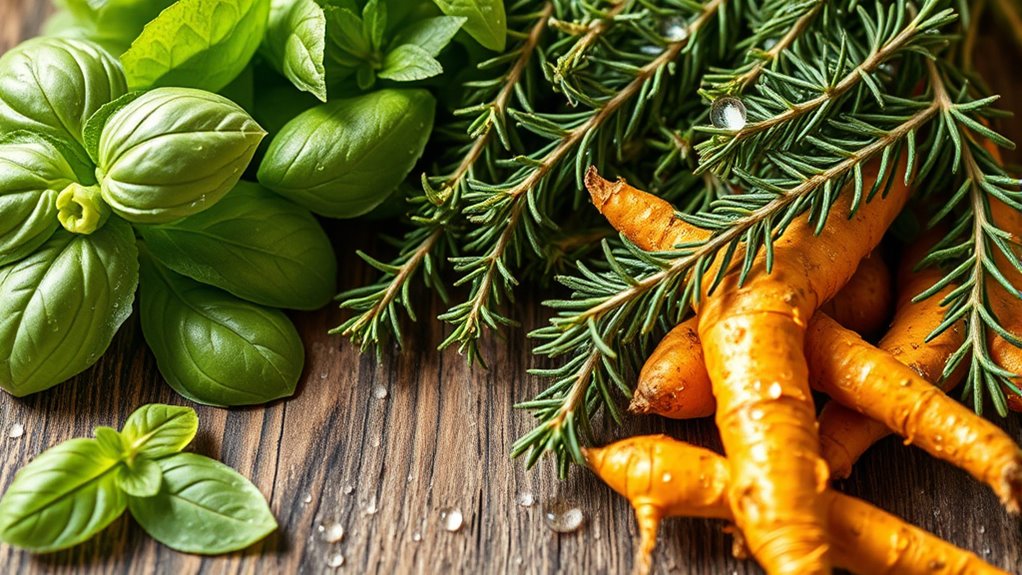

To reduce chronic inflammation caused by stress, you can try incorporating herbs like turmeric, ginger, ashwagandha, boswellia, and holy basil into your routine. These herbs work naturally to lower inflammation, boost your immune system, and help you relax. Turmeric and ginger fight inflammation directly, while ashwagandha and holy basil help manage stress-related cortisol levels. If you want practical tips on how to incorporate these herbs into your life, keep exploring.
Key Takeaways
- Holy Basil acts as an adaptogen, reducing stress hormones and inflammation caused by chronic stress.
- Ashwagandha helps lower cortisol levels, supporting stress management and inflammation reduction.
- Ginger contains gingerol, which decreases inflammatory markers and boosts immune response.
- Turmeric’s curcumin blocks molecules that promote inflammation, aiding in chronic inflammation relief.
- Boswellia inhibits inflammatory enzymes, supporting joint and systemic health in stress-related conditions.
Turmeric: The Golden Spice for Inflammation Relief
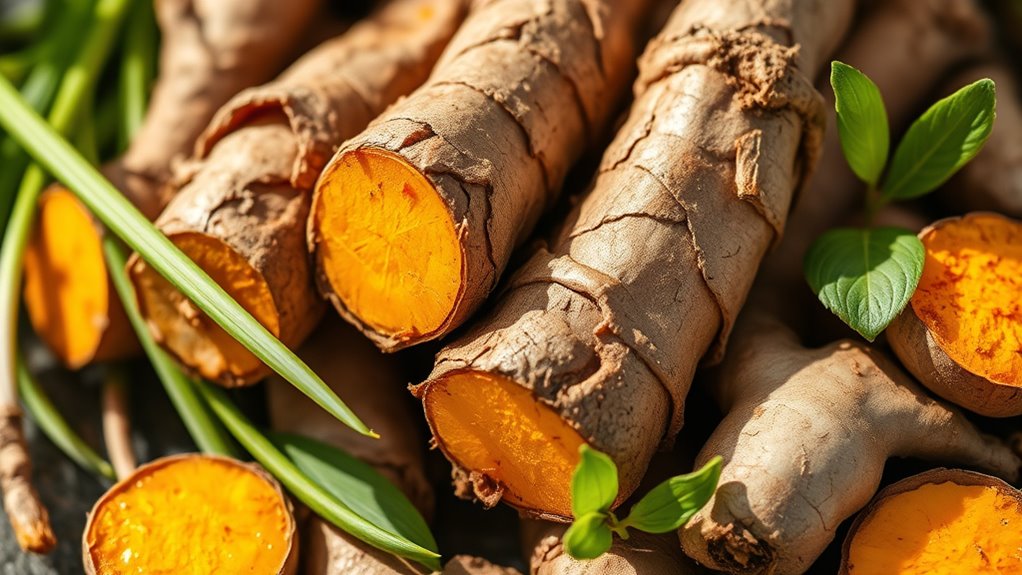
Have you ever wondered how a simple spice can fight inflammation? Turmeric, often called the golden spice, is renowned for its powerful anti-inflammatory properties. Its bright yellow color comes from curcumin, the active compound that helps reduce swelling and pain. When you include turmeric in your meals or take it as a supplement, you’re giving your body a natural defense against inflammation caused by stress. Turmeric works by blocking certain molecules that promote inflammation in your tissues. Plus, it’s versatile—you can add it to soups, smoothies, or rice dishes. Regular use may help ease chronic inflammation over time, supporting your overall health and well-being. Incorporating turmeric into your diet is a simple, effective step toward combating inflammation naturally.
Ginger: Nature’s Anti-Inflammatory Powerhouse

Just as turmeric offers powerful anti-inflammatory benefits, ginger stands out as a natural remedy to combat stress-induced inflammation. Its active compounds, like gingerol, help reduce inflammatory markers in your body. You can incorporate fresh ginger into teas, smoothies, or meals to harness its benefits. Ginger not only fights inflammation but also boosts your immune response and alleviates muscle soreness caused by stress. Its antioxidant properties help neutralize free radicals that contribute to chronic inflammation. Regularly adding ginger to your diet can support your body’s natural defenses against stress-related inflammation. Plus, its warming, spicy flavor makes it a versatile ingredient you’ll enjoy. By making ginger a part of your daily routine, you actively promote a healthier, less inflamed state, helping you feel better overall.
Ashwagandha: Adaptogen for Stress and Inflammation
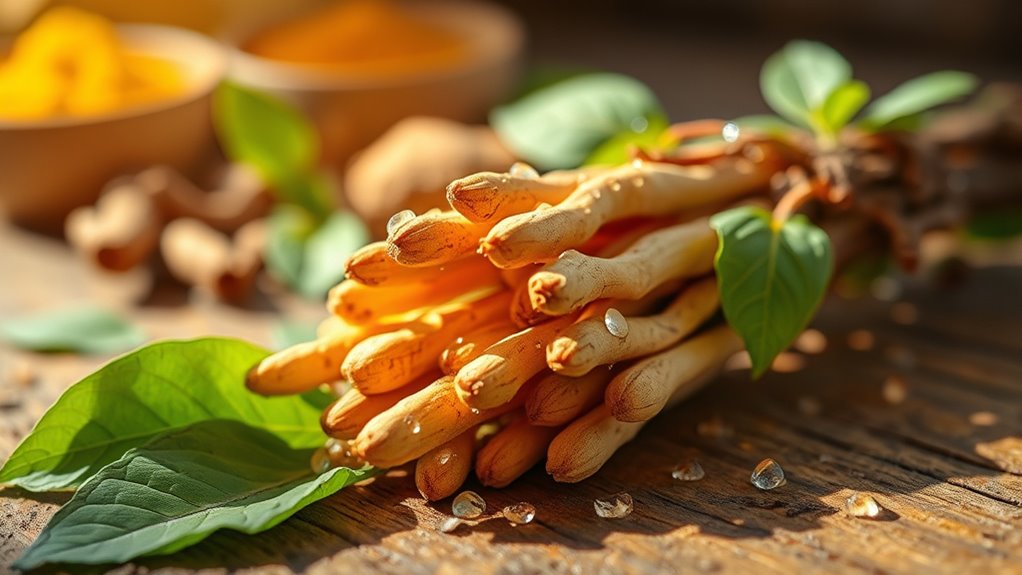
When stress levels rise, your body responds with increased inflammation, but as an adaptogen, ashwagandha can help your body better manage this response. It supports your adrenal glands, reducing cortisol levels and promoting balance. This herb has been used for centuries to boost resilience against stress and lower inflammation markers. Incorporating ashwagandha into your routine may enhance your overall well-being and immune function. Here’s a quick comparison:
| Benefit | How it Helps |
|---|---|
| Stress reduction | Lowers cortisol levels |
| Anti-inflammatory effects | Reduces inflammatory markers |
| Energy and vitality | Supports adrenal health |
Boswellia: Herbal Support for Joint and Systemic Health
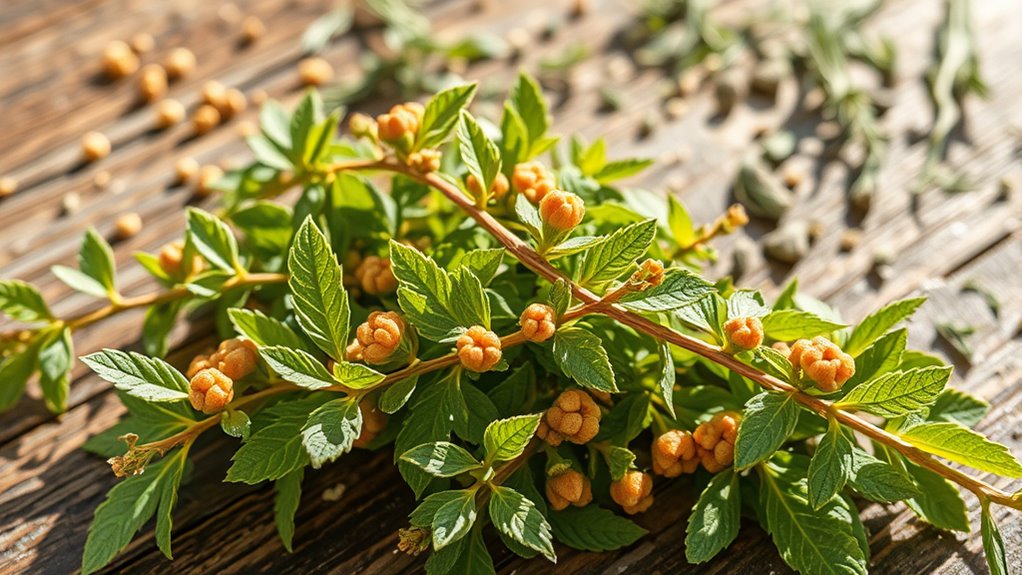
Boswellia, also known as frankincense, has been valued for centuries for its powerful anti-inflammatory properties. It contains compounds called boswellic acids, which help inhibit inflammatory enzymes, reducing swelling and pain. You might consider taking Boswellia if you experience joint discomfort or systemic inflammation linked to stress. Research shows it can support joint health and improve mobility, especially in conditions like arthritis. Unlike some medications, Boswellia offers a natural way to manage inflammation without harsh side effects. It’s available in capsules, extracts, or topical forms, making it easy to incorporate into your routine. Regular use may help lower inflammatory markers and promote overall systemic health, addressing inflammation at its source. This herbal support can complement other stress-reduction strategies for better long-term well-being.
Holy Basil: Calming Herb to Counteract Stress-Induced Inflammation
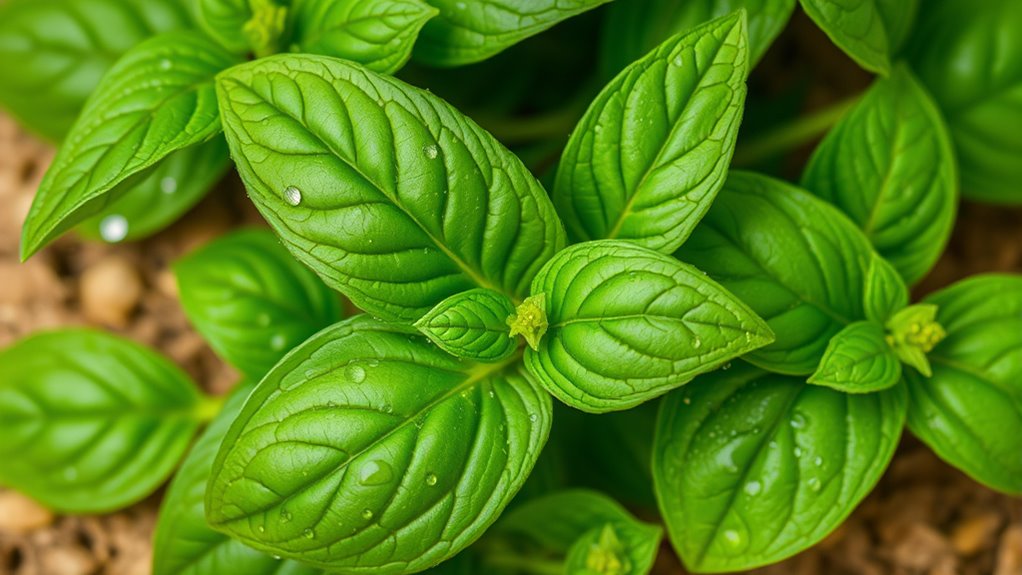
Herbs like Boswellia can help reduce inflammation, but managing stress itself is equally important in controlling chronic inflammation. Holy basil, also known as Tulsi, is a powerful adaptogen that helps your body cope with stress. It lowers cortisol levels, reducing the inflammation triggered by stress hormones. When you incorporate holy basil into your routine, you support your body’s ability to maintain balance during stressful times. This herb also has antioxidant properties that combat oxidative stress, which contributes to inflammation. Whether you use it as a tea, supplement, or fresh leaves, holy basil can help calm your nervous system and diminish the inflammatory response. Regular use may improve your overall resilience to stress-induced inflammation, promoting better health and well-being.
Frequently Asked Questions
Can These Herbs Be Combined Safely for Inflammation Reduction?
Yes, you can generally combine these herbs safely for inflammation reduction, but it’s important to make sure to do so cautiously. You should consult with a healthcare professional first, especially if you’re on medications or have underlying health conditions. Start with small doses to see how your body reacts, and avoid mixing too many herbs at once. Monitoring your response ensures you reap the benefits without risking adverse effects.
Are There Any Side Effects From Long-Term Herbal Use?
Long-term herbal use can cause side effects, so you should be cautious. You might experience allergic reactions, digestive issues, or interactions with medications. Some herbs may affect liver or kidney function if taken excessively or over extended periods. Always consult with a healthcare professional before using herbs long-term, especially if you have underlying health conditions or take other medications. Monitoring your health helps minimize potential adverse effects.
Which Herbs Are Best for Specific Inflammation-Related Conditions?
Like a skilled painter choosing the right colors, you should select herbs tailored to your specific inflammation condition. For joint pain, try turmeric for its anti-inflammatory power. Ginger works well for digestion-related inflammation, while boswellia targets arthritis. Always consult a healthcare professional before starting new herbs, especially if you’re on medication, to avoid potential interactions. Choosing the right herb is key to effectively soothing your inflammation.
How Quickly Do These Herbs Typically Reduce Inflammation Symptoms?
You may start noticing reduced inflammation symptoms within a few days to a couple of weeks after you begin using herbs like turmeric, ginger, or boswellia. Consistency is key, so take them regularly as recommended. Keep in mind, individual responses vary, and some herbs may take longer to show effects. Pairing herbs with a healthy lifestyle can speed up your progress and enhance overall results.
Are Herbal Supplements Effective Without Dietary or Lifestyle Changes?
You might find herbal supplements help, but they work best when combined with healthy eating and lifestyle choices. Think of it like planting a garden—you can add seeds, but without water and sunlight, it’s unlikely to flourish. Supplements alone often don’t address root causes. So, by embracing balanced diet, regular exercise, and stress management, you’re giving your body the best chance to reduce inflammation effectively and sustainably.
Conclusion
By incorporating these herbs into your daily routine, you can effectively combat stress-related inflammation. Imagine feeling more energized and less achy, just like someone who started using turmeric and ginger regularly, noticing improved joint comfort and mood. These natural remedies offer a gentle, supportive way to boost your overall health and well-being. So, give them a try and watch your body thank you for reducing inflammation and stress naturally.