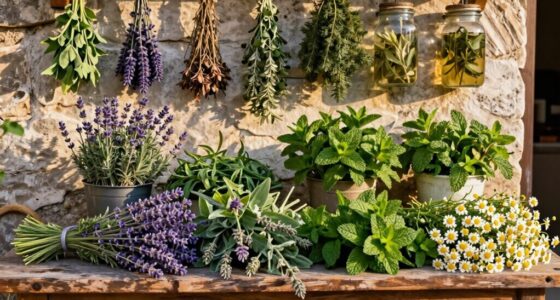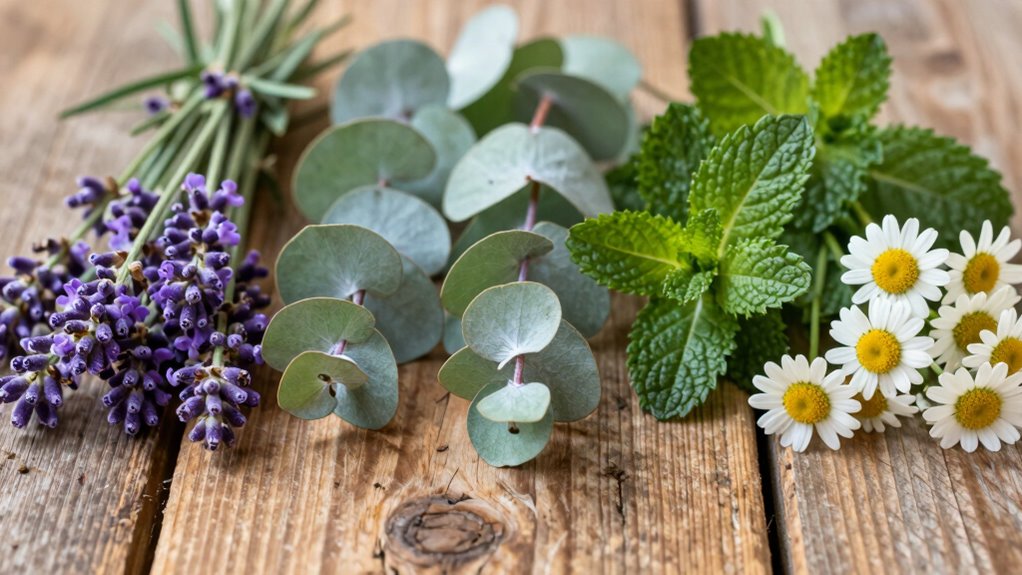

Herbs like echinacea and peppermint carry rich stories that reflect America’s diverse healing traditions. Indigenous tribes first used echinacea in rituals, and European settlers later adopted it, blending these practices into American herbal use. Peppermint, introduced from Europe, became a staple for digestion and comfort. These herbs symbolize resilience, cultural exchange, and enduring practices rooted in history. Exploring the stories behind these plants reveals how they connect us to a shared legacy of healing—there’s much more to uncover if you keep exploring.
Prime for Young Adults — start your free trial
Fast free delivery, streaming and member deals for eligible 18–24 year olds.
As an affiliate, we earn on qualifying purchases.
Key Takeaways
- Many herbs, like echinacea, originate from Indigenous traditions, symbolizing cultural resilience and bridging ancient practices with modern use.
- Peppermint’s journey from ancient civilizations to American kitchens highlights centuries of cultural exchange and practical healing.
- Herbs serve as cultural symbols, embodying heritage, resilience, and the blending of Indigenous and immigrant healing practices.
- Incorporating herbs into daily routines connects Americans to a living tradition of plant-based healing spanning generations.
- Stories behind herbs deepen understanding of their cultural significance, transforming them from remedies into symbols of identity and resilience.
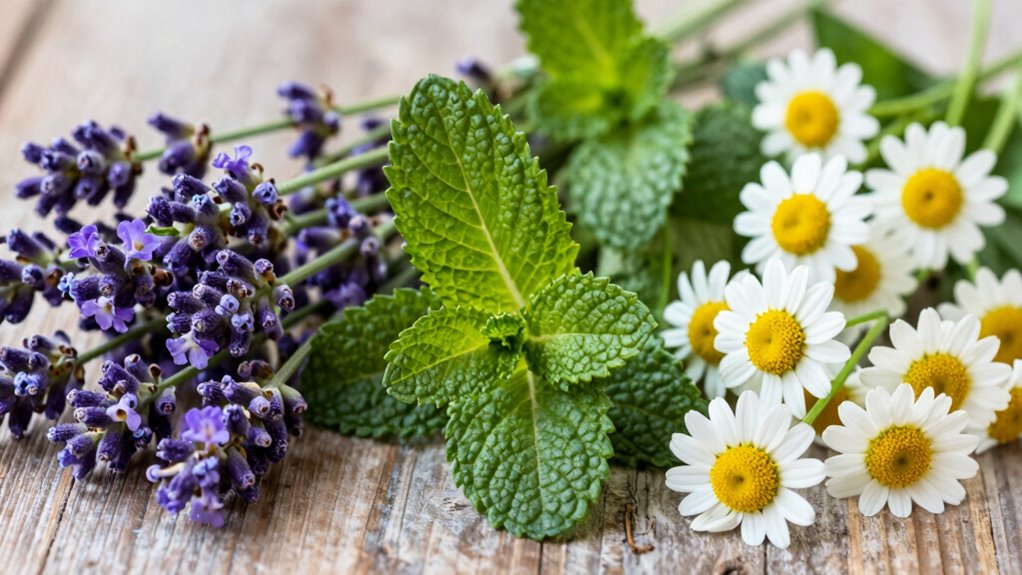
Herbs have played an essential role in American healing traditions for centuries, each with its own unique story of discovery and use. When you think about your favorite healing herbs, you’re tapping into a rich herbal history that stretches back through generations. These plants aren’t just remedies; they carry cultural significance that reflects the diverse heritage of the people who used them. From Indigenous tribes to early European settlers, herbs have been central to health practices, rituals, and even spiritual beliefs. Each herb’s story is intertwined with the history of those who relied on it, making them more than just natural medicines—they’re cultural symbols.
Take echinacea, for example. Originally used by Native American tribes, it was revered for its immune-boosting properties long before it became a popular supplement today. The tribes saw it as a sacred plant, often incorporating it into healing ceremonies. Its cultural importance was so profound that, even after European settlers arrived, they adopted echinacea into their own herbal practices, blending indigenous knowledge with new approaches. This shared history highlights how herbs serve as bridges between different cultures, preserving traditional wisdom while adapting to new contexts.
Echinacea, once sacred to Native tribes, bridges indigenous wisdom and modern herbal practices, symbolizing cultural resilience and healing traditions.
Similarly, peppermint’s story echoes across centuries. Its herbal history dates back to ancient civilizations, where it was valued for its digestive benefits. European colonists brought it to America, where it quickly became a staple in kitchens and apothecaries. Today, you might use peppermint tea to soothe a stomach ache, but behind that simple act lies a cultural importance rooted in centuries of herbal use. It’s a testament to how herbs like peppermint have traveled across continents, carrying cultural meanings and practical uses that remain relevant today. Additionally, the ongoing use of herbs like peppermint demonstrates how cultural exchange has shaped herbal traditions across different regions.
Throughout American history, herbs have been more than just natural remedies. They symbolize tradition, resilience, and the blending of Indigenous and immigrant practices. As you incorporate these herbs into your life, you’re participating in a living tradition that spans centuries. Their stories remind you that healing isn’t just about treating symptoms—it’s about connecting with a cultural legacy of plant knowledge. These herbs carry the echoes of countless lives and practices, giving you a deeper appreciation for their role in health and culture. By understanding their herbal history and cultural importance, you honor the stories that have shaped their use and continue to enrich your own healing journey. Recognizing the cultural significance of herbs enhances their value beyond their physical benefits, linking us to a shared human history of healing.
Echinacea immune support supplement
As an affiliate, we earn on qualifying purchases.
As an affiliate, we earn on qualifying purchases.
Frequently Asked Questions
Are There Any Side Effects Associated With These Healing Herbs?
Yes, there can be side effects with healing herbs, especially if you don’t consider herb interactions or toxicity concerns. Some herbs may cause allergic reactions, stomach upset, or dizziness. Be cautious if you’re on medications, as herbs can interact and alter their effectiveness. Always consult a healthcare professional before starting new herbs, especially if you’re pregnant, nursing, or have underlying health conditions, to avoid potential adverse effects.
How Do These Herbs Compare to Conventional Medicine?
Like a vintage smartphone in a world of instant messaging, herbs offer a different kind of efficacy—based on traditional uses and natural healing. While herbal efficacy varies, many find they work gently and holistically. Unlike conventional medicine, herbs often have fewer side effects and tap into centuries of traditional uses. However, they might not provide quick fixes, so you should consider them as complementary, not replacements, for medical advice.
Can These Herbs Be Used During Pregnancy or Breastfeeding?
You should be cautious with herbal safety during pregnancy and breastfeeding, as many herbs have pregnancy restrictions. Some herbs may cause uterine contractions or pass into breast milk, potentially affecting your baby. Always consult your healthcare provider before using any herbs, especially during these times. Avoid self-medicating, and prioritize professional guidance to guarantee both your safety and your baby’s health when considering herbal remedies.
Where Can I Purchase Authentic and Quality Herbal Products?
You can find authentic, high-quality herbal products at trusted herbal stores and reliable online marketplaces. Don’t settle for anything less than the best—when it comes to herbs, quality is everything. Visit local herbal stores for personalized advice, or explore reputable online marketplaces that offer a wide selection. Always check reviews and certifications to verify you’re purchasing genuine products that support your health journey.
How Long Does It Take to See Results From Using These Herbs?
You might start seeing results from herbal preparation within a few days to several weeks, depending on the herb and your condition. Traditional usage suggests that consistent use over time enhances effectiveness, but individual responses vary. For best results, follow recommended dosages and consult a healthcare professional. Patience is key, as herbal remedies often build gradually, supporting your body’s natural healing processes over time.
As an affiliate, we earn on qualifying purchases.
Conclusion
You’ve seen how these healing herbs have shaped American wellness practices, but did you know that herbal remedies are used by over 60% of adults in the U.S. today? That’s a proof to their enduring power and cultural significance. As you explore these stories, remember that nature’s pharmacy offers more than just tradition — it provides a path to holistic health. Embrace these herbs, and discover their timeless healing potential for yourself.
As an affiliate, we earn on qualifying purchases.
As an affiliate, we earn on qualifying purchases.
NFL season / tailgating Picks
team gear
As an affiliate, we earn on qualifying purchases.