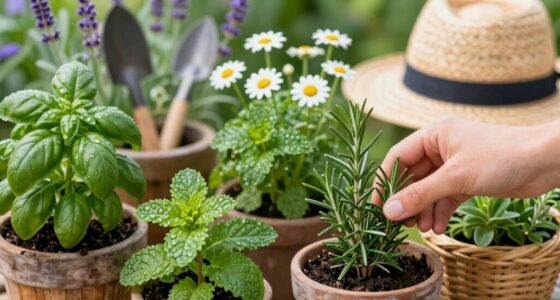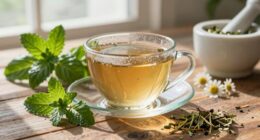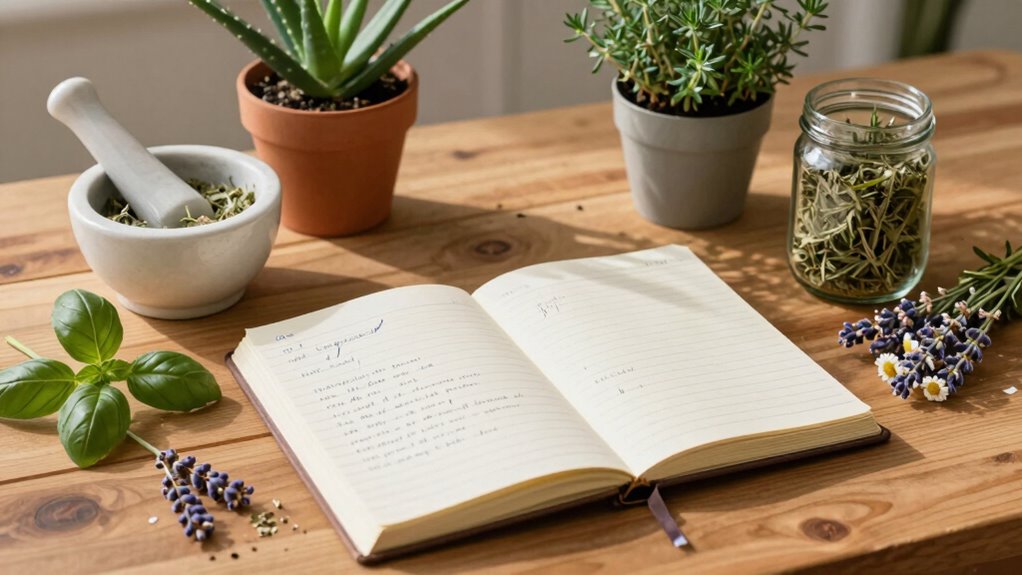

To make herbalism more useful every day, start by incorporating herbal teas and remedies into your routine, like using herbal-infused oils or tinctures. Keep a small herbal kit nearby, and track how different herbs affect you. Practice sustainable harvesting and learn proper identification to confidently gather your herbs. Share your knowledge with others to deepen your understanding and enjoy a sense of community. If you’re curious, there’s plenty more to discover on how to truly integrate herbs into your life.

Get oils, diffusers and self-care delivered free — and shop member deals
- Fast, free delivery on millions of items
- Access to Prime Big Deal Days deals on October 6–7
- Prime Video, Amazon Music and more included
Key Takeaways
- Incorporate daily herbal teas into your routine for consistent health benefits and familiarity with herbs.
- Personalize your herbal remedy collection to address your specific health needs and preferences.
- Track your herbal experiences and effects to recognize what works best for you.
- Share herbal knowledge with others to reinforce your learning and foster community connections.
- Use herbs proactively for common issues, reducing reliance on synthetic medicines and promoting natural wellness.
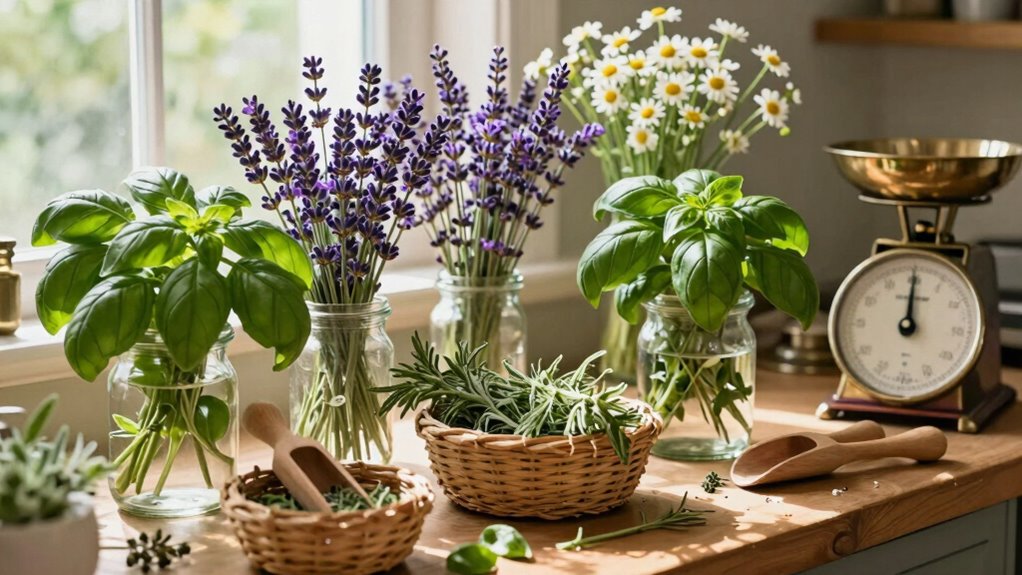
Herbalism can be a rewarding practice, but it requires some basic knowledge to get started effectively. When you begin exploring herbal remedies, you’ll notice how versatile and accessible they can be for everyday health and wellness. To make herbalism feel more useful daily, start by understanding which herbs are best suited for common issues like headaches, digestion, or stress. Keep a small herbal kit with dried herbs, tinctures, or teas that you can quickly prepare when needed. This way, you won’t feel overwhelmed, and you’ll start recognizing how herbal remedies fit seamlessly into your routine.
One of the most important aspects of sustainable harvesting is respecting nature’s cycles and ensuring you don’t overharvest wild plants. You want to gather herbs responsibly, leaving enough behind to allow the plant to regenerate and maintain its population. This not only preserves the environment but also guarantees that your herbal sources remain available for years to come. When you harvest, choose the right time—usually when the plant is at its peak potency, such as just before flowering for many herbs. Use sharp scissors or pruning shears to make clean cuts, minimizing damage to the plant. By practicing sustainable harvesting, you’ll feel confident that your herbalism isn’t harming the environment, which adds a deeper sense of purpose to your daily practice. Additionally, learning about sustainable harvesting practices can help you identify the best times and methods for collecting herbs responsibly.
Incorporating herbal remedies into your daily routine is easier than you might think. You can start with simple things like adding herbal teas to your morning or evening, or using herbal-infused oils in your skincare. Keep a journal to track how different herbs affect you, helping you personalize your herbal medicine cabinet over time. This not only makes your herbalism more effective but also turns it into a meaningful part of your lifestyle. The more you learn about herbs and their benefits, the more natural it feels to turn to them instead of synthetic options. Additionally, understanding herbal preparation techniques can enhance the potency and effectiveness of your remedies. Gaining knowledge about plant identification can further ensure you harvest and use herbs correctly and safely.
Finally, sharing your knowledge with friends or family can transform herbalism from a solitary activity into a communal one. Teaching others about sustainable harvesting and herbal remedies creates a sense of connection and reinforces your own understanding. By integrating these practices into your daily life, herbalism becomes more than just a hobby—it becomes a practical, empowering tool that enhances your health and respects the planet. With consistent effort, you’ll find that herbalism is not only useful but also deeply rewarding every day.
As an affiliate, we earn on qualifying purchases.
Frequently Asked Questions
Can Herbalism Replace Traditional Medicine Entirely?
Herbalism can’t replace traditional medicine entirely, but herbal healing and natural remedies can complement it. You might turn to herbal remedies for minor ailments or to support overall wellness. However, for serious conditions or emergencies, relying solely on herbal healing isn’t safe. Always consult healthcare professionals, especially when dealing with chronic or severe health issues, and view herbalism as a valuable addition, not a complete substitute.
How Do I Start Herbalism as a Beginner?
To start herbalism as a beginner, begin with simple herbal preparations like teas and tinctures. Focus on learning how to properly harvest and dry herbs, then store them in airtight containers for future use. Experiment with basic recipes and keep detailed herbal storage notes. As you gain confidence, expand your knowledge by exploring herbal properties and remedies, making your daily practice more meaningful and effective.
Are There Any Safety Concerns With Herbal Remedies?
You might think herbal remedies are completely safe, but watch out for toxicity risks and proper dosage. Ironically, natural doesn’t mean risk-free—some herbs can cause adverse reactions or interactions. Always research your herbs thoroughly, follow recommended dosages, and consult a healthcare professional if unsure. Ignoring safety can turn your herbal journey into a health hazard, so stay cautious and informed to enjoy herbalism’s benefits safely.
Which Herbs Are Best for Daily Use?
For daily use, you should consider common herbal remedies like chamomile, peppermint, and ginger. These herbs are versatile and easy to incorporate into your herbal preparation, whether as teas, tinctures, or infusions. They offer gentle support for digestion, relaxation, and immune health. Regularly using these herbs can help you build a practical routine, making herbalism feel more useful and integrated into your everyday wellness practices.
How Long Does It Take to See Herbalism Benefits?
Coincidences often remind you that herbal potency and healing duration vary, but typically, you start noticing benefits within a few days to weeks. Some herbs work quickly, offering relief in days, while others require consistent use over months for full effects. Patience and regular use are key. Your body adapts gradually, and with time, you’ll see the true potential of herbal remedies unfold, strengthening your daily wellness journey.
As an affiliate, we earn on qualifying purchases.
Conclusion
By incorporating herbalism into your daily routine, you open natural remedies that can improve your well-being and reduce reliance on pharmaceuticals. Did you know that approximately 38% of Americans use herbal supplements regularly? This shows a growing trust in nature’s medicine cabinet. So, start small—tea for stress or herbs for immune support—and watch how these simple, everyday practices can transform your health. Embrace herbalism, and make it a useful, empowering part of your life.
herbal infused oils for skincare
As an affiliate, we earn on qualifying purchases.
As an affiliate, we earn on qualifying purchases.
As an affiliate, we earn on qualifying purchases.
Halloween Picks
halloween
As an affiliate, we earn on qualifying purchases.