
Herbology’s hidden cultural side reveals how herbs symbolize life, protection, love, and death across various traditions. You’ll see herbs like sage and lavender used in rituals that go beyond healing, connecting communities to spiritual worlds and preserving cultural identity. These practices involve special preparations, offerings, and ceremonies that reflect shared beliefs and values. Exploring this deeper layer shows how herbs carry stories and wisdom passed down through generations—if you explore further, you’ll uncover even more fascinating cultural insights.
Key Takeaways
- Herbs are used in rituals beyond their physical benefits, symbolizing spiritual connections and cultural identity.
- Different cultures assign unique symbolic meanings to herbs, such as sage for cleansing and ginseng for vitality.
- Herbal preparations, like burning sage or braiding sweetgrass, reinforce spiritual and cultural significance.
- Rituals involving herbs preserve cultural heritage and transmit spiritual beliefs across generations.
- Herbal symbolism reflects a community’s worldview, embodying concepts of protection, love, remembrance, and life.
Have you ever wondered how different cultures incorporate herbs into their traditions and practices? It’s fascinating to see how plants aren’t just used for their physical benefits but also hold deep symbolic meanings. Traditional plant rituals often serve as a bridge between the natural world and spiritual beliefs, shaping cultural identities in profound ways. When you explore herbal symbolism, you realize that each herb carries a story, a purpose rooted in centuries of collective experience. For instance, sage is more than just a fragrant herb; it’s a powerful tool for cleansing and protection in many Indigenous traditions. Burning sage during rituals isn’t only about scent; it’s about purifying spaces and warding off negative energies. Similarly, lavender’s soothing aroma isn’t just for relaxation—it’s often used in ceremonies to promote peace and spiritual clarity.
In various cultures, herbs function as symbols of life, protection, love, or even death. You might find that in Mediterranean traditions, rosemary signifies remembrance, often placed on graves or used in memorials. In Asian cultures, ginseng isn’t just valued for its medicinal properties but also as a symbol of vitality and longevity. These symbolic meanings are woven into daily practices, festivals, and rites of passage, illustrating how intimately herbs are tied to cultural identity. Traditional plant rituals often involve specific herbs that are prepared or consumed in particular ways, reinforcing their symbolic significance. For example, in some Native American ceremonies, herbs like sweetgrass are braided and burned as offerings to spirits, fostering connection and communication with the divine. Exploring herbal symbolism reveals a layer of cultural wisdom passed down through generations. It’s not merely about the physical use of herbs but also about what they represent in a community’s worldview. When you participate in or observe these rituals, you gain insight into a culture’s values and beliefs — how they see the world, life, and the spiritual domain. These traditions help preserve cultural heritage, offering continuity amid change. Recognizing the symbolic significance of herbs enriches our understanding of their role in cultural practices and spiritual life. By recognizing the significance behind traditional plant rituals, you deepen your appreciation for herbs beyond their practical uses, understanding their role as carriers of cultural memory and spiritual meaning. This perspective invites you to see herbs not just as plants but as symbols with stories that have traveled through time, shaping and reflecting the identities of diverse communities worldwide.
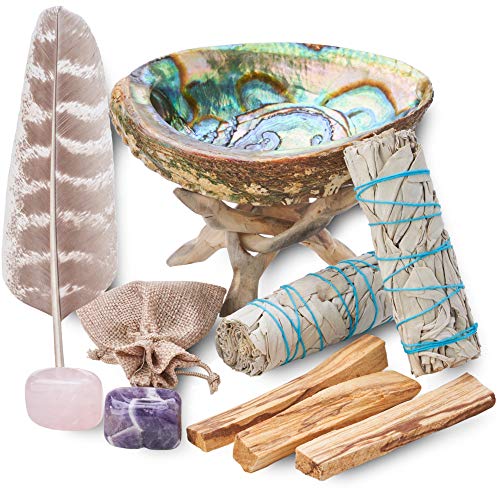
Home Cleansing & Smudging Kit with White Sage, Palo Santo
🌙 At Blue River Sage, we work very hard to make sure the quality of our sage is…
As an affiliate, we earn on qualifying purchases.
As an affiliate, we earn on qualifying purchases.
Frequently Asked Questions
How Do Different Cultures Classify and Categorize Herbs Uniquely?
You’ll find that different cultures classify and categorize herbs through their unique herbal taxonomy and cultural herbal practices. For example, Traditional Chinese Medicine groups herbs by their energetic properties, while European practices focus on botanical families. Indigenous cultures might emphasize spiritual or ritual uses. These diverse approaches shape how herbs are understood, used, and valued across societies, highlighting the rich and complex ways culture influences herbal classification and the significance placed on various plants.
Are There Specific Rituals Associated With Herb Collection Worldwide?
Yes, many cultures have specific rituals associated with herb collection, especially during herb harvesting. You might find rituals involving prayer, offerings, or ceremonial dances, emphasizing the herb’s ritual significance. These practices honor nature, seek blessings, or guarantee successful harvests. While it may seem traditional, these rituals reflect deep respect for herbs and their essential role in cultural and spiritual lives worldwide, connecting people to the land and its sacred cycles.
How Has Herb Symbolism Evolved Across Various Cultural Traditions?
Herb symbolism has evolved considerably across cultures, reflecting shifting beliefs and values. You’ll notice that in some traditions, herbs symbolize healing, protection, or spiritual growth, while others associate them with luck or love. Cultural meanings often adapt over time, blending ancient symbolism with contemporary interpretations. As you explore different practices, you’ll see how herb symbolism continues to serve as a powerful link to cultural identity, tradition, and personal meaning worldwide.
What Role Do Herbs Play in Traditional Spiritual Practices?
Imagine herbs as sacred symbols, their leaves whispering spiritual truths. You see herbal healing as more than medicine; it’s a pathway to connect with divine energies. Sacred plantings become rituals, transforming simple plants into tools for meditation, protection, or blessing. You actively use herbs in ceremonies, believing they carry spiritual power, fostering harmony between body and soul. Herbs, in this way, serve as essential links between the physical world and higher realms.
Are There Cultural Taboos Related to Herb Use in Different Societies?
Yes, many societies have cultural taboos around herb use, often rooted in sacred plant lore and beliefs about forbidden remedies. You might find that certain herbs are considered too powerful or sacred for everyday use, and using them improperly can offend traditions or invoke negative spirits. These taboos help preserve the spiritual significance of herbs, ensuring their use aligns with cultural values and spiritual practices.

HEM Lavender Incense Sticks – Pack of 120 | Hand-Rolled in India | Soothing Floral Aroma for Relaxation, Stress Relief, Meditation, Yoga, Prayer & Home Fragrance
Soothing Lavender Aroma – Sweet, floral fragrance known to relax the mind, reduce stress, and uplift the spirit.
As an affiliate, we earn on qualifying purchases.
As an affiliate, we earn on qualifying purchases.
Conclusion
As you explore herbology’s cultural depths, you’ll see it’s more than just plant medicine—it’s a rich tapestry of traditions and beliefs. Did you know that over 80% of the world’s population still relies on herbal remedies for primary healthcare? This statistic highlights how deeply rooted and essential herbology remains across diverse cultures. Embracing these traditions not only connects you to history but also enriches your understanding of holistic healing practices worldwide.

Shamans Market Chumpi Stone Set – 12 Piece – Hand-Carved Peruvian Ceremonial Healing Stones with Mesa Cloth, Watana & Rattle for Altar & Andean Ritual
COMPLETE 12-STONE SET – This set of 12 hand-carved Peruvian chumpi stones is associated with the 12 sacred…
As an affiliate, we earn on qualifying purchases.
As an affiliate, we earn on qualifying purchases.

Ten (10) Braids of 30" and Longer Native American Sweetgrass from Canada
Ten (10) braids of Native American Sweetgrass from Canada. The braids are 30" or longer, with some up…
As an affiliate, we earn on qualifying purchases.
As an affiliate, we earn on qualifying purchases.