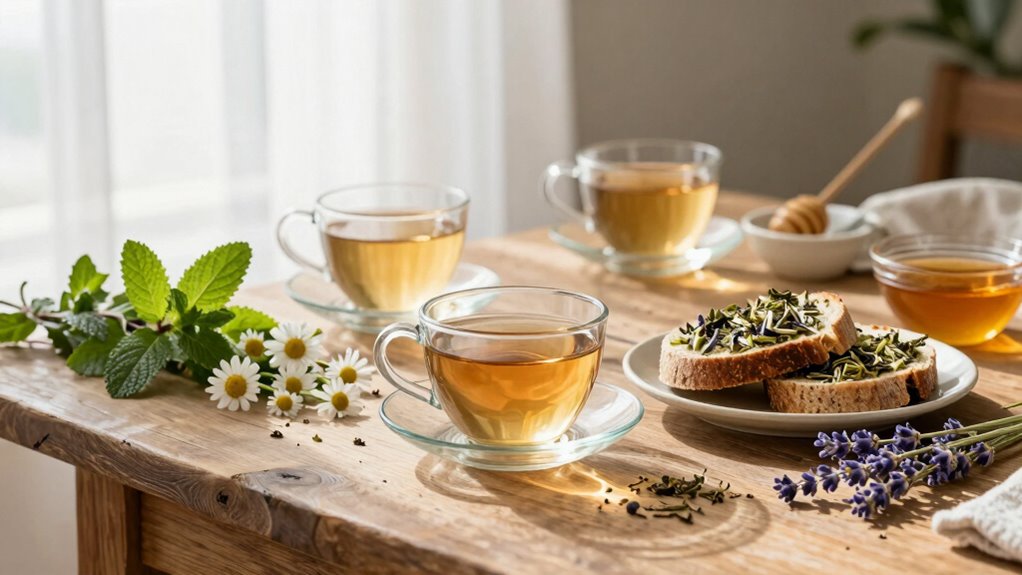

To build an herbal routine around tea, food, and rest, start by incorporating calming herbs like chamomile or lavender into your evening teas to signal relaxation. Add fresh herbs like basil or cilantro to your meals for ongoing health benefits. Establish simple daily habits, such as brewing a herbal tea or preparing herbal infusions ahead of time. As you continue, you’ll discover ways to make this practice more natural and sustainable, enriching your overall well-being.
Listen free for 30 days with Audible
Thousands of audiobooks and originals — cancel anytime.
As an affiliate, we earn on qualifying purchases.
Key Takeaways
- Establish a daily schedule incorporating herbal teas as signals for breaks and relaxation times.
- Integrate fresh and dried herbs into meals to support consistent consumption and health benefits.
- Prepare herbal infusions or decoctions in advance for convenient, daily calming rituals.
- Use calming herbs like valerian or lavender in teas or pillows to enhance restful sleep routines.
- Choose sustainable, ethically sourced herbs to align your routine with environmental and health-conscious practices.
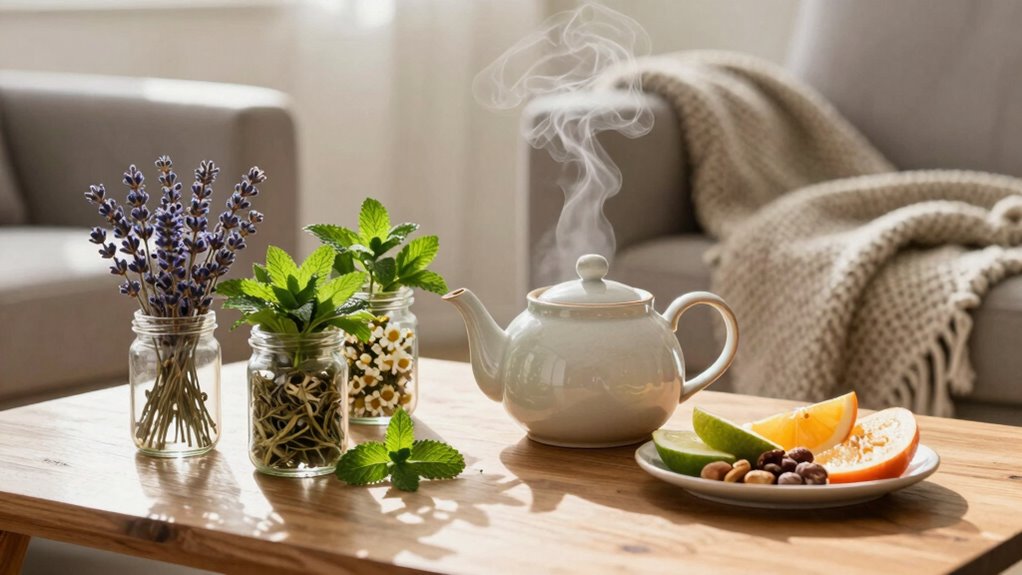
Creating an herbal routine can be a simple and rewarding way to support your health and well-being. When you start integrating herbal preparations into your daily life, you establish a consistent practice that nurtures your body and mind. The key is to develop a routine that feels natural and sustainable, weaving herbs into your everyday activities rather than making it feel like an extra chore. You might begin by choosing a few herbs known for their calming, energizing, or restorative properties—like chamomile for relaxation or ginger for digestion—and incorporating them into your tea, meals, or supplements.
To build this routine effectively, think about how herbs can seamlessly fit into your existing habits. For example, you could make a habit of brewing a cup of herbal tea each morning or evening, turning it into a calming ritual that signals a break from your busy day. Herbal preparations like infusions, decoctions, or tinctures can be prepared ahead of time, making it easy to incorporate them into your daily ritual. Whether you sip on a warm mug of herbal brew or add dried herbs to your cooking, these small, intentional acts help reinforce your commitment to wellness.
Integrating herbs into your food is another powerful approach. Use fresh herbs like basil, oregano, or cilantro during cooking, or sprinkle dried herbs onto salads, soups, and stews. This not only boosts flavor but also ensures you’re consuming the beneficial compounds found in herbs regularly. When you make herbs part of your meals, it becomes a natural extension of your eating habits—no extra effort needed. Over time, this daily ritual integration helps your body adapt to and benefit from herbal properties without feeling like a burden. Incorporating herbal nutrition into your diet supports both your physical and mental health in a holistic way. Additionally, choosing sustainable harvesting practices can ensure the longevity of your herbal sources and promote environmental health. Developing awareness around herbal sourcing can further enhance the positive impact of your routine on the environment. Incorporating ethical harvesting can also foster a deeper connection and respect for the plants you use, enriching your herbal experience.
Rest is equally important in your herbal routine. Incorporate herbs known for their calming effects—like valerian or lavender—into your nighttime wind-down. Making a tea or using herbal pillows infused with these plants can become a soothing pre-sleep ritual. By establishing this nightly habit, you signal to your body that it’s time to relax, fostering better sleep and overall resilience. Additionally, supporting your environment with biodiversity-friendly practices can enhance the growth and sustainability of the herbs you use, creating a more harmonious connection with nature. When you align your herbal preparations with your natural rhythms, you create a balanced routine that nurtures your physical and mental health.
herbal tea assortment for relaxation
As an affiliate, we earn on qualifying purchases.
As an affiliate, we earn on qualifying purchases.
Frequently Asked Questions
Can Herbal Routines Replace Medical Treatments?
Herbal routines shouldn’t replace medical treatments, especially when it comes to serious health issues. While herbs can support wellness, herbal safety is vital, and you should always consult your healthcare provider. Medical integration, combining herbal practices with conventional medicine, guarantees a balanced approach. Relying solely on herbs may delay necessary treatment, so use them as complementary tools rather than substitutes for professional care.
Are There Any Herbs to Avoid During Pregnancy?
During pregnancy, you should avoid herbs that pose safety risks, as some can cause contractions or other complications. Always prioritize herbal safety and follow pregnancy precautions. Herbs like sage, parsley, and certain types of ginseng are best avoided unless approved by your healthcare provider. To stay safe, consult your doctor before adding any herbs to your routine, ensuring they’re safe for pregnancy and won’t interfere with your health or that of your baby.
How Long Does It Take to See Herbal Routine Benefits?
You might start noticing herbal routine benefits within a few weeks, but it really depends on the herbs’ potency and your routine consistency. Some herbs work quickly, while others need regular use over several months for full effects. Staying consistent with your tea, food, and rest routines enhances herbal potency, helping you see benefits sooner. Patience and regularity are key to experiencing the full positive impact of your herbal routine.
Can I Mix Multiple Herbs in One Tea?
Sure, you can mix multiple herbs in one tea—welcome to herbal blending 101! Just don’t turn your cup into a botanical chaos. Tea customization is all about balance; combine herbs that complement each other’s flavors and effects. Experiment, but remember, more isn’t always merrier. Stick to harmonious pairings, and you’ll enjoy a delightful, health-boosting brew without creating a herbal disaster. Cheers to your personalized tea adventures!
What Are Common Herbal Side Effects?
Herbal side effects vary, but common issues include allergic reactions, gastrointestinal discomfort, or drowsiness. Be mindful of herbal interactions, especially if you’re taking medications, as they can enhance or diminish effects. To manage side effects, start with small doses, observe how your body responds, and consult a healthcare professional if adverse reactions occur. Proper side effect management guarantees your herbal routine remains safe and beneficial.
dried calming herbs for tea and cooking
As an affiliate, we earn on qualifying purchases.
As an affiliate, we earn on qualifying purchases.
Conclusion
By weaving herbs into your tea, food, and rest, you’re crafting a symphony of wellness that resonates deep within. Think of your routine as a garden in full bloom—each herb a vibrant bloom contributing to your harmony and significance. As you nurture this herbal tapestry, watch your energy and calm flourish like a gentle river flowing steadily. Embrace this ritual, and let your days be painted with the soothing hues of nature’s healing touch.
herbal infusion bottles for daily use
As an affiliate, we earn on qualifying purchases.
As an affiliate, we earn on qualifying purchases.
sleep pillow with lavender and valerian herbs
As an affiliate, we earn on qualifying purchases.
As an affiliate, we earn on qualifying purchases.
Pool season Picks
robotic pool cleaners
As an affiliate, we earn on qualifying purchases.