TL;DR

Get oils, diffusers and self-care delivered free — and shop member deals
- Fast, free delivery on millions of items
- Access to Prime Big Deal Days deals on October 6–7
- Prime Video, Amazon Music and more included
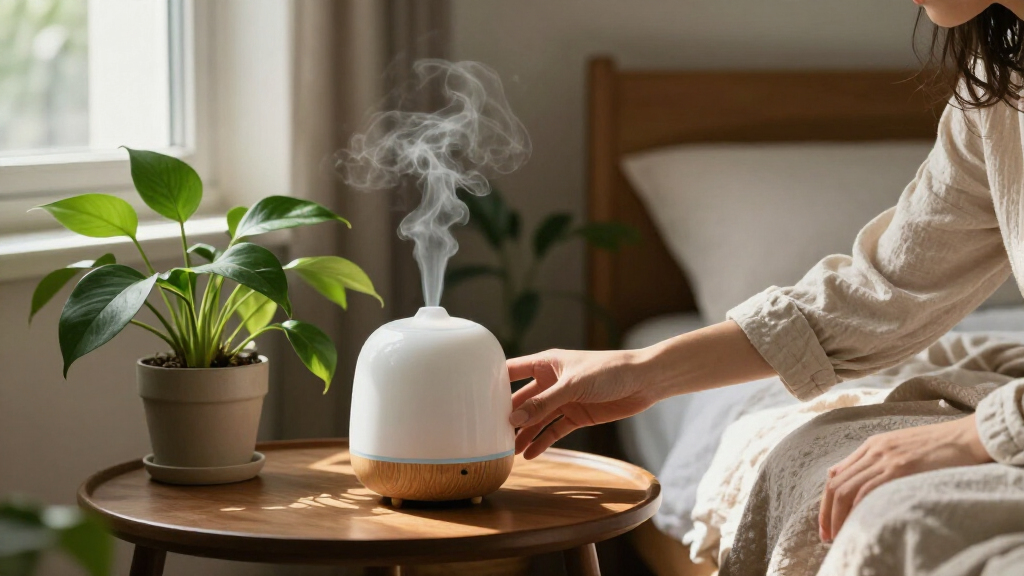
An aromatherapy essential oil diffuser releases plant-oil fragrance into the air using water, airflow, or heat. Choose a type based on scent strength and upkeep, follow the maker’s directions, ventilate the room, and stop if anyone feels unwell. A pleasant aroma may feel relaxing, but a diffuser is not a medical treatment.
A diffuser can turn a plain room into one that smells like a pine forest after rain, but the scent is only part of the story. These devices disperse fragrance; they do not purify the air or treat illness.
This guide explains what diffusers do, how four common designs differ, and how to use one with care. You’ll also get practical tips for choosing a device that fits your room, routine, and household.
A diffuser disperses fragrance; it does not purify air or replace medical care.
Ultrasonic models use water, while nebulizing models disperse undiluted oil droplets and can create a stronger scent.
Start modestly, use short or intermittent sessions, and ventilate the room.
Check with a veterinarian about pets and an appropriate clinician about use around children or during pregnancy.
Follow the device manual for cleaning, and never add oils to a humidifier unless its maker says it is designed for them.
What an Essential Oil Diffuser Actually Does
An aromatherapy essential oil diffuser releases fragrance from concentrated plant oils into the air. Depending on its design, it uses water and vibration, moving air, or heat to disperse scent; the device adds fragrance, not medical care. [1]
Think of a diffuser as a little scent bellows for your room. After dinner, for instance, you might run one briefly with a citrus aroma while you tidy the kitchen, then switch it off before the smell feels heavy.
Aromatherapy often means using plant aromas to support wellbeing, and some people find a familiar scent relaxing. Evidence for specific health benefits is limited and varies by oil and use, so claims that a diffuser treats an infection or replaces prescribed care deserve skepticism. [1]
A pleasant smell can shape the mood of a room; it does not turn a diffuser into a humidifier, air purifier, or medical inhaler.
Choose the Diffuser Type That Fits Your Routine
An aromatherapy essential oil diffuser can work in several ways, and each design gives you a different balance of scent strength, upkeep, and convenience. Ultrasonic models use water and high-frequency vibrations, while nebulizers disperse undiluted oil droplets; evaporative and heat-based devices use airflow or warmth. [1]
Imagine choosing one for a small reading nook: a gentle ultrasonic mist may suit a short evening session, while a nebulizer could feel overpowering in the same tight space. Here’s a quick comparison to help you decide.
| Type | How it works | What to expect |
|---|---|---|
| Ultrasonic | Vibrates water and oil into a fine mist | Adds some moisture; needs water and cleaning |
| Nebulizing | Breaks undiluted oil into small droplets | Often produces a stronger scent and can use more oil |
| Evaporative | Moves air across an oil-soaked pad or wick | Scent can shift as more volatile parts evaporate first |
| Heat-based | Uses warmth to release fragrance | Simple design; heat can alter aroma and composition |
For example, if you want a steady but modest scent during a 20-minute tidy-up, a model with adjustable output or a timer may be more useful than the strongest device on the shelf. Your room size and scent sensitivity matter as much as the technology.
Use a Diffuser Without Making the Room Feel Heavy
An aromatherapy essential oil diffuser works best when you use a modest amount, follow its instructions, and give the room fresh air. More oil can make a scent overpowering, and a diffuser disperses a fragrance—not a dose tailored to your body. [1]
Start with the device and oil makers’ directions, then try a short, intermittent session in a ventilated room. If you’re testing a new aroma in your living room, begin while you’re awake and nearby; open a window or stop the device if the scent feels irritating.
- Read the instructions for both the diffuser and the oil before adding anything.
- Start with a small amount and choose an intermittent mode or timer when available.
- Stay attentive to how everyone in the room responds, including people who are sensitive to fragrance.
- Switch it off and air out the room if anyone develops coughing, wheezing, headache, nausea, or irritation.
One practical example: if the first few minutes leave your throat scratchy, don’t add a different oil or run the device longer. Turn it off, ventilate, and skip diffusion in that room.
Make Your Choice Work for the Whole Household
An aromatherapy essential oil diffuser is a shared-room choice, so the comfort of people and animals nearby matters more than a product’s wellness slogan. Fragrance may bother someone with asthma, migraines, allergies, or scent sensitivity, and some oils may be hazardous to pets through breathing, skin contact, or accidental ingestion. [1]
For instance, if your cat spends the afternoon curled beside your desk, ask a veterinarian about animal-specific concerns before diffusing oils there. Keep bottles and devices out of reach, and never treat “plant-based” as a promise that a product is harmless.
Use extra care around children and during pregnancy. No single oil should be presented as universally safe; when you need guidance, ask an appropriate clinician about your circumstances. And don’t drink diffuser oils or use them to treat symptoms. [1]
Ingredient transparency can help you compare products: look for the botanical name, clear ingredient details, and sourcing information. Vague labels such as “pure” or “therapeutic grade” do not, on their own, prove quality or health benefits. [1]
Keep Your Diffuser Clean and Working as Intended
An aromatherapy essential oil diffuser needs regular care because residue and standing water can affect how it performs and its hygiene. Follow the manufacturer’s cleaning directions, unplug the device first, and avoid putting oils in a water-only humidifier unless its maker explicitly says the unit supports them. [1]
After a weekend session, for example, you might find a slick ring inside the reservoir. Empty or clean it as the manual directs instead of guessing at a stronger cleaner or immersing electrical parts; device designs differ.
Convenience features such as timers, intermittent modes, adjustable output, and app controls can make short sessions easier to manage. A compact shape, quiet motor, reusable parts, or reduced packaging may also matter, but compare the actual refill needs and materials instead of relying on a low-waste label. [1]
Overnight use is rarely a reason to skip the manual. Continuous diffusion can increase exposure, so a short timed session is a more cautious starting point; turn the device off if the scent disturbs your sleep or causes discomfort. [1]
Set a Realistic Expectation for Wellness Benefits
An aromatherapy essential oil diffuser can make a room smell pleasant, and a familiar fragrance may feel soothing to some people, but evidence for specific medical benefits is limited. A scent that helps one person unwind may trigger a headache or irritation for someone else. [1]
Think of the aroma as part of the room’s atmosphere, like warm lamplight or a soft playlist. If you use lavender while reading because you enjoy the smell, that’s a personal comfort choice; it is not proof that the diffuser treats anxiety, congestion, or sleep problems.
For instance, if you feel congested, don’t rely on a diffuser in place of prescribed care. If the fragrance makes symptoms worse, stop using it and air out the room. Use scent for enjoyment, and seek appropriate medical advice for health concerns. [1]
Frequently Asked Questions
How many drops should I put in a diffuser?
Follow the diffuser and oil makers’ directions, since reservoirs and products vary. Start with a modest amount and stop if the scent causes discomfort.
Can I use essential oils in a humidifier?
Only if the manufacturer explicitly says the humidifier is designed for oils. Oil can damage a device made for water alone.
Is it safe to diffuse oils around pets?
It depends on the animal, oil, exposure, and room. Some oils may be hazardous to pets, so ask a veterinarian about your animal and keep oils and devices out of reach.
Can a diffuser help me sleep or ease congestion?
A scent may feel pleasant or soothing to some people, but a diffuser is not a proven treatment for sleep problems or congestion. Strong fragrances can bother others, so stop and ventilate if you feel unwell.
Can I leave a diffuser running overnight?
Check the device manual, and consider using a timer or short intermittent session instead of continuous diffusion. Switch it off if the scent disturbs your sleep or causes irritation.
Conclusion
Choose a diffuser for the scent strength, upkeep, and controls that suit your room, then start with a short, modest session. Keep the room aired out and let comfort—not a wellness promise—decide whether the aroma belongs there.
A good fragrance should feel like a soft note in the room, not a fog you have to escape.
Fall Picks
fall essentials
As an affiliate, we earn on qualifying purchases.