Herbs may support telomere health by reducing oxidative stress, inflammation, and promoting telomerase activity, which can help slow cellular aging. Compounds in herbs like turmeric, green tea, ginseng, and astragalus show promise in protecting telomeres and boosting cellular resilience. While research is ongoing, incorporating these herbs into your lifestyle alongside healthy habits could enhance your longevity. To discover how specific herbs work and ways to use them effectively, keep exploring this fascinating topic.
Key Takeaways
- Certain herbs contain antioxidants and compounds that reduce oxidative stress, which accelerates telomere shortening.
- Herbs like astragalus may activate telomerase, supporting telomere maintenance and cellular longevity.
- Regular use of herbs such as turmeric, green tea, and ginseng can promote cellular health and slow aging processes.
- Scientific studies indicate some herbs can protect telomeres by decreasing inflammation and promoting DNA repair.
- Incorporating high-quality herbs into a healthy lifestyle may help support telomere length and delay cellular aging.
Understanding Telomeres and Their Role in Aging

Telomeres are protective caps at the ends of your chromosomes that play a crucial role in the aging process. Every time your cells divide, these caps shorten slightly, which is a natural part of aging. When telomeres become too short, your cells can’t divide properly anymore, leading to cellular aging and dysfunction. This process influences how quickly your body shows signs of aging and affects overall health. Shortened telomeres are linked to increased risks of age-related diseases like heart disease, diabetes, and certain cancers. While your telomeres naturally shorten over time, lifestyle factors like stress, diet, and exercise can impact their length. Understanding how telomeres work helps you see why maintaining their length might be key to healthy aging.
The Science Behind Telomere Shortening and Cellular Decline

As cells divide, their chromosome ends gradually shorten, directly impacting cellular health and function. This process occurs because DNA replication machinery can’t fully copy the telomeres, leaving a small gap with each division. Over time, these shortened telomeres signal the cell to enter a state called senescence or undergo apoptosis, leading to tissue aging. Factors like oxidative stress and inflammation accelerate telomere loss, increasing cellular decline. Shortened telomeres impair the cell’s ability to repair DNA and maintain proper functioning. This decline contributes to age-related diseases and reduces regenerative capacity. Understanding this mechanism reveals why telomere length is a key marker of biological aging. It also highlights the importance of factors that can preserve telomere integrity to slow cellular decline.
Traditional Herbs With Potential Anti-Aging Properties
Many traditional herbs have long been valued for their potential to promote longevity and improve cellular health. These herbs contain natural compounds that may support your body’s defenses against aging. For example, herbs like turmeric, ginseng, and milk thistle are celebrated for their antioxidant properties, which help combat oxidative stress. These natural remedies may also support detoxification and boost your immune system. When you incorporate these herbs into your routine, you’re tapping into age-old wisdom that emphasizes balance and holistic health. Remember, their benefits aren’t just about slowing aging but also enhancing overall energy.
- They contain antioxidants that neutralize harmful free radicals.
- They may support cellular repair processes.
- They promote a balanced, healthy response to environmental stressors.
How Certain Herbs May Influence Telomere Length
Certain herbs may help preserve your telomeres by providing antioxidant and anti-inflammatory benefits. These plant compounds support your DNA, potentially slowing age-related shortening. Exploring how they work could open new ways to promote healthy aging.
Herbs With Antioxidant Effects
Have you ever wondered how some herbs might help protect your cells from aging? Herbs rich in antioxidants can neutralize free radicals that damage DNA, including telomeres. This protection may slow cellular aging and preserve telomere length. Certain herbs, like turmeric, green tea, and ginseng, contain powerful antioxidants that support your body’s defense system. By reducing oxidative stress, these herbs may help maintain telomere integrity over time. Remember, antioxidants:
- Counteract oxidative damage caused by environmental stressors
- Support cellular repair processes
- Contribute to overall longevity and health
Incorporating these herbs into your diet can be a natural way to bolster your body’s defenses against aging at the cellular level.
Anti-inflammatory Plant Benefits
Building on the idea that antioxidants help protect telomeres from oxidative damage, anti-inflammatory herbs offer another pathway to support cellular longevity. These herbs reduce chronic inflammation, a key factor in aging and telomere shortening. For example, turmeric contains curcumin, which suppresses inflammatory pathways, potentially slowing telomere erosion. Similarly, ginger’s bioactive compounds help modulate inflammatory responses, protecting cells from damage. By decreasing inflammation, you may reduce the stress on your cellular DNA, preserving telomere length over time. Incorporating these herbs into your diet could support your body’s natural defenses against aging at the cellular level. While they aren’t a cure-all, their anti-inflammatory properties contribute to overall cellular health and longevity.
Herbal Support for DNA
Some herbs may directly influence telomere length by supporting the enzymes and mechanisms that maintain DNA stability. These herbs can enhance the activity of telomerase, the enzyme responsible for elongating telomeres, or bolster cellular defenses against DNA damage. By doing so, they help preserve genetic information and slow cellular aging. For example, herbs with antioxidant properties can reduce oxidative stress, a key factor in telomere shortening. Consider these effects:
- Supporting enzyme function to maintain DNA integrity
- Reducing oxidative damage that accelerates telomere loss
- Promoting cellular resilience and longevity
Key Herbs Studied for Cellular Longevity

Among the herbs studied for promoting cellular longevity, certain botanicals stand out for their potential to support telomere health. Astragalus root is one of the most researched, containing telomerase-activating compounds that may help maintain telomere length. Turmeric, known for its anti-inflammatory properties, also shows promise in protecting telomeres from oxidative stress. Ashwagandha is another herb linked to reducing cellular aging markers and supporting overall cell vitality. Green tea extract, rich in catechins, has been associated with slowed telomere shortening and improved cellular resilience. Ginseng, particularly Panax ginseng, is noted for its adaptogenic effects that may bolster telomere stability. Incorporating these herbs into your routine could offer cellular benefits, but always consult a healthcare professional before starting new supplements.
The Mechanisms of Herbal Compounds in Protecting Telomeres

Herbal compounds protect telomeres through a variety of biological mechanisms that enhance cellular resilience and delay aging. They often work by reducing oxidative stress, which prevents telomere shortening caused by free radicals. Additionally, these compounds can activate telomerase, the enzyme responsible for maintaining telomere length, helping cells stay youthful longer. They also modulate gene expression related to cell survival and repair, strengthening the cell’s natural defenses.
- Scavenge harmful free radicals to prevent damage
- Boost telomerase activity for telomere maintenance
- Regulate genes involved in aging and cellular repair
Evidence From Scientific Research and Clinical Trials
Scientific research and clinical trials provide concrete evidence of how certain herbs may extend telomeres or protect their integrity. You’ll see studies highlighting specific herb compounds that have promising effects on telomere length. These findings help validate the potential role of herbs in promoting healthy aging.
Telomere Extension Effects
Research indicates that certain herbs may actively influence telomere length, potentially slowing cellular aging. Scientific studies and clinical trials have shown that some herbs contain compounds that promote telomere extension, enhancing cellular health. These effects could help delay the onset of age-related decline. You might consider herbs like astragalus, turmeric, or ginseng, which have demonstrated effects on telomerase activity. Understanding these effects can guide you toward natural strategies for healthy aging. Keep in mind, though, that results vary among individuals and more research is needed. By exploring these herbs, you could potentially support your body’s natural aging process. Remember, the goal isn’t just lengthening telomeres but fostering overall cellular vitality and longevity.
Herb Compound Studies
Numerous studies and clinical trials have investigated the effects of specific herb compounds on telomere length and cellular health. For example, compounds like curcumin from turmeric, resveratrol from grapes, and epigallocatechin gallate (EGCG) from green tea show promising results. Research indicates these compounds can reduce oxidative stress and inflammation, both of which accelerate telomere shortening. Some trials suggest they may also activate telomerase, the enzyme responsible for maintaining telomeres. While findings are encouraging, results vary depending on dosage, duration, and individual health factors. Overall, these herb compounds demonstrate potential as natural agents to support cellular longevity, but more rigorous clinical trials are necessary to confirm their effectiveness in slowing aging at the cellular level.
Incorporating Herbs Into a Lifestyle for Healthy Aging
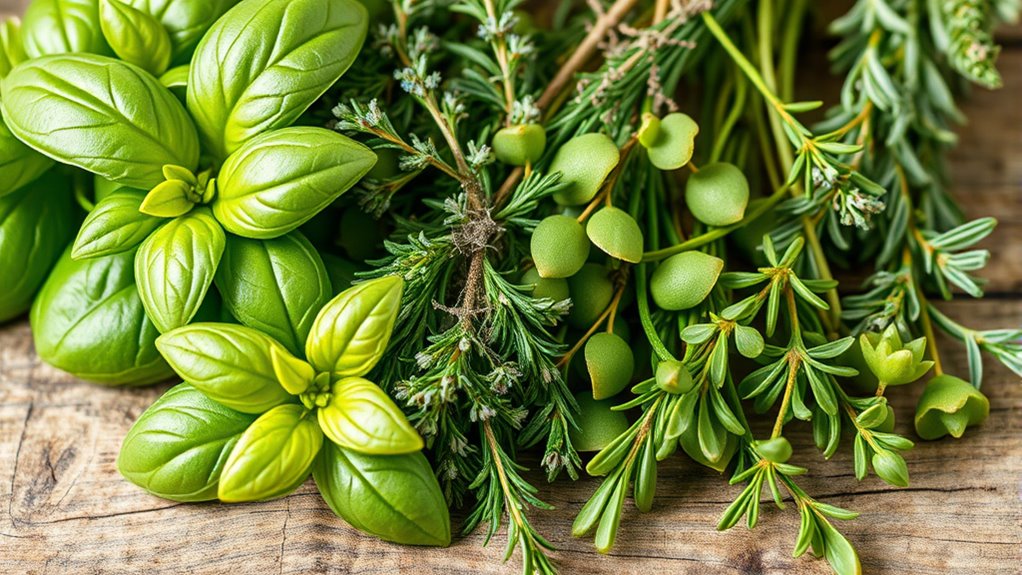
Incorporating herbs into your daily routine offers a natural way to support healthy aging and maintain liveliness. Consistency is key—adding herbs like turmeric, ginseng, or green tea to your meals or beverages can provide ongoing benefits. Start small, integrating herbs gradually to develop a sustainable habit. Focus on quality; fresh or high-quality dried herbs deliver better results. Remember, herbs complement a balanced lifestyle—healthy diet, exercise, and stress management. To deepen your understanding, consider:
- Embracing variety to target different aspects of aging
- Prioritizing herbs with proven telomere-supporting properties
- Creating a routine that fits seamlessly into your day
Limitations and Challenges in Using Herbs for Telomere Support
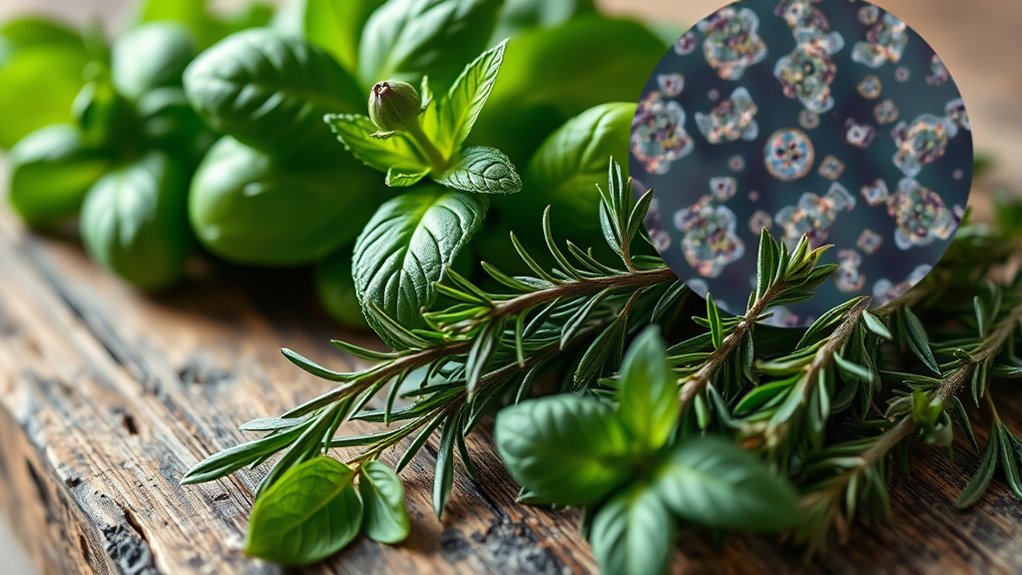
While herbs can offer potential benefits for telomere support, they also come with limitations that you should consider. First, scientific evidence is often limited or preliminary, so definitive proof of their effectiveness remains lacking. You might find conflicting results or inconsistent outcomes across studies, making it hard to determine which herbs truly work. Additionally, herbal supplements can vary in quality, dosage, and purity, affecting their safety and efficacy. You also risk interactions with medications or underlying health conditions if you’re not careful. Furthermore, relying solely on herbs without adopting other healthy lifestyle habits may not produce significant results. Finally, individual responses to herbs differ, so what benefits one person might not help another. Be cautious, do your research, and consult healthcare professionals before adding herbs to your regimen.
Future Directions in Herbal Research and Aging Science

Future research in herbal therapies promises to identify new compounds that may enhance telomere health and slow aging. You’ll see increasing integration of herbs into thorough aging strategies, combining traditional wisdom with modern science. Advances in biomarker technology will also help you better track herbal effects on aging processes and telomere maintenance.
Emerging Herbal Therapies
Emerging herbal therapies hold promise for advancing aging science by targeting telomere maintenance and cellular resilience. Researchers are exploring herbs with potential to boost telomerase activity, reduce oxidative stress, and promote cellular repair. These therapies could slow aging processes and improve longevity. As you follow this research, consider how herbal compounds might complement existing treatments or offer new preventative options. The future of herbal therapy involves focusing on herbs that:
- Enhance telomere stability through natural compounds
- Reduce inflammation and oxidative damage at the cellular level
- Support overall cellular health and resilience
Integrative Aging Approaches
As research into herbal therapies advances, integrating these natural approaches with conventional aging treatments could revolutionize how you promote longevity and resilience. Combining herbs with established therapies like lifestyle modifications and medical interventions open a holistic strategy that targets multiple aging pathways. You might incorporate adaptogens, telomere-supporting herbs, or anti-inflammatory botanicals alongside exercise and nutrition plans. This integrative approach enhances cellular health, reduces oxidative stress, and supports immune function more effectively than isolated treatments. As science explores synergistic effects, personalized herbal protocols may become standard in aging care. Embracing these combined strategies helps you address aging proactively, fostering a balanced, resilient body capable of withstanding age-related decline while maintaining vitality over time.
Biomarker Innovations
Advancements in herbal research are paving the way for innovative biomarker development that can accurately measure aging processes and assess the effectiveness of herbal therapies. These new biomarkers allow you to track cellular changes, telomere length, and oxidative stress with greater precision. As a result, you gain a clearer understanding of how herbs influence aging at the molecular level. This progress could lead to personalized herbal interventions to slow or reverse cellular aging.
- Identify early signs of cellular deterioration
- Monitor responses to herbal treatments in real-time
- Tailor therapies based on individual biomarker profiles
Frequently Asked Questions
Can Herbs Completely Stop or Reverse Telomere Shortening?
Herbs can’t completely stop or reverse telomere shortening, but they may help slow the process. By providing antioxidants and supporting overall cell health, certain herbs can reduce oxidative stress, which contributes to telomere damage. You should see them as part of a healthy lifestyle rather than a magic fix. Incorporate herbs like turmeric or ginseng, but remember, no supplement alone can halt aging entirely.
Are There Any Known Side Effects From Long-Term Herbal Use?
You might experience some side effects from long-term herbal use, like mild stomach upset, allergies, or interactions with medications. Imagine your body as a garden; herbs are like nurturing plants, but if overused or taken improperly, they can cause weeds or imbalance. Always consult a healthcare professional before extending herbal use, ensuring your body’s garden stays healthy and vibrant without unintended weeds sprouting.
How Do Herbal Remedies Compare to Conventional Anti-Aging Treatments?
Herbal remedies often offer gentle, natural support, but they usually lack the proven potency of conventional anti-aging treatments like skincare, medications, or advanced therapies. You might prefer herbs for their fewer side effects, but they typically work more slowly and less predictably. If you’re seeking faster or more measurable results, conventional treatments could be more effective. Combining both approaches might give you a balanced, personalized anti-aging strategy.
Which Herbs Have the Strongest Scientific Evidence for Telomere Support?
You see astragalus, curcumin, and green tea as powerful allies, supporting your telomeres with their antioxidant and anti-inflammatory properties. These herbs stand out because they’ve shown promising results in scientific studies, helping to protect and lengthen telomeres, slow cellular aging, and boost your energy. As you incorporate them into your routine, you nourish your cells, strengthen your defenses, and embrace a more youthful, vibrant life.
How Personalized Should Herbal Interventions Be for Optimal Aging Benefits?
You should personalize herbal interventions based on your unique health profile, genetics, and lifestyle. Consult with a healthcare professional to identify specific needs and avoid potential interactions. By tailoring herbs to your individual circumstances, you maximize benefits and minimize risks. Regular monitoring and adjustments help guarantee your approach remains effective as your body changes, leading to more ideal aging benefits over time.
Conclusion
As you explore the connection between herbs and telomeres, you might find it’s no coincidence that nature offers potential tools for aging gracefully. Incorporating certain herbs into your routine could support cellular health, aligning with your desire for longevity. While science continues to uncover these links, trusting in the natural synergy of herbs and your body might just be the key to a healthier, more vibrant future—making every age a little more extraordinary.