Liver detox herbs like milk thistle, dandelion, and turmeric can support your liver’s ability to remove toxins and reduce oxidative stress, which may slow some aspects of aging. While scientific evidence is mixed, these herbs can be beneficial when used responsibly alongside a healthy lifestyle. To truly understand how herbal support can influence longevity and aging, explore the factors that enhance your liver’s natural functions and overall well-being.
Key Takeaways
- Supporting liver detox pathways with herbs may reduce oxidative stress, potentially slowing cellular aging.
- Herbs like milk thistle and turmeric have antioxidant properties that can protect liver and overall cellular health.
- Combining herbal support with a healthy lifestyle enhances liver function, contributing to longevity.
- Scientific evidence on herbs directly slowing aging is limited; most benefits relate to improved liver health.
- A holistic approach, including diet, exercise, and herbs, best promotes liver health and may support longer, healthier aging.
Understanding the Liver’s Role in the Body
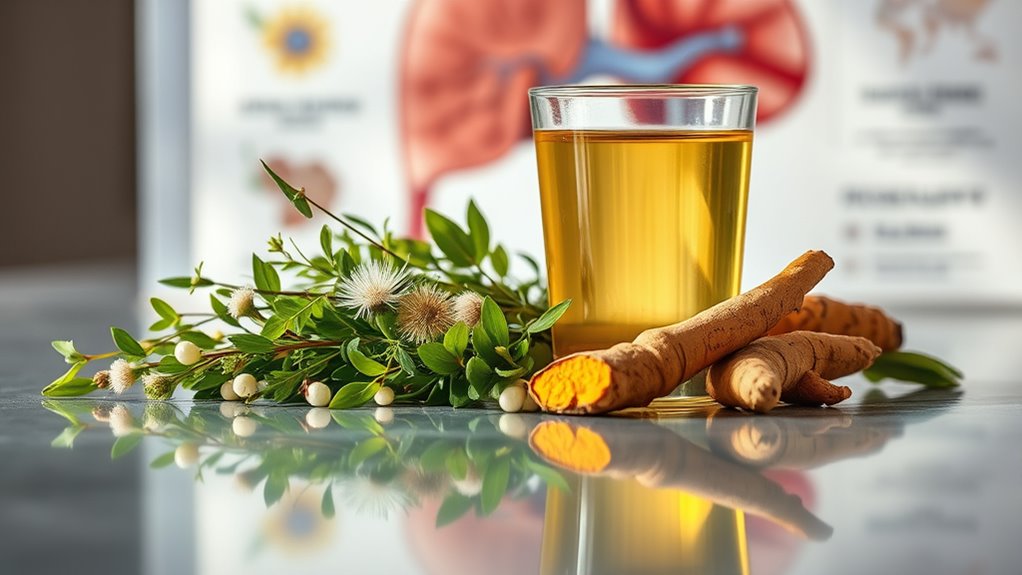
The liver is a essential organ that performs numerous indispensable functions to keep your body healthy. It processes nutrients from your food, converting them into usable energy and building blocks for your cells. The liver also produces bile, aiding digestion and fat absorption. Additionally, it filters your blood, removing toxins, waste products, and harmful substances. This detoxification helps prevent toxins from accumulating and damaging your tissues. The liver stores critical nutrients like vitamins and minerals, releasing them when your body needs them. It also plays a key role in regulating blood sugar levels and synthesizing proteins necessary for blood clotting. Overall, your liver constantly works behind the scenes, maintaining your internal balance and supporting your overall health.
The Science Behind Detoxification and Aging
As your liver filters toxins and processes nutrients, it continuously combats the damage caused by environmental pollutants, processed foods, and metabolic waste. This detoxification process helps reduce oxidative stress, which accelerates aging by damaging cells and DNA. When your liver functions efficiently, it neutralizes harmful substances, preventing them from accumulating and triggering inflammation. Chronic exposure to toxins can overwhelm your liver’s capacity, leading to increased oxidative damage and faster aging. Scientific studies show that effective detoxification supports cellular repair and maintains tissue health. By aiding your liver, you potentially slow down the aging process, keeping your body resilient. Understanding this link emphasizes why supporting your liver’s detox pathways is essential for longevity and overall health.
Common Herbs Used for Liver Cleansing
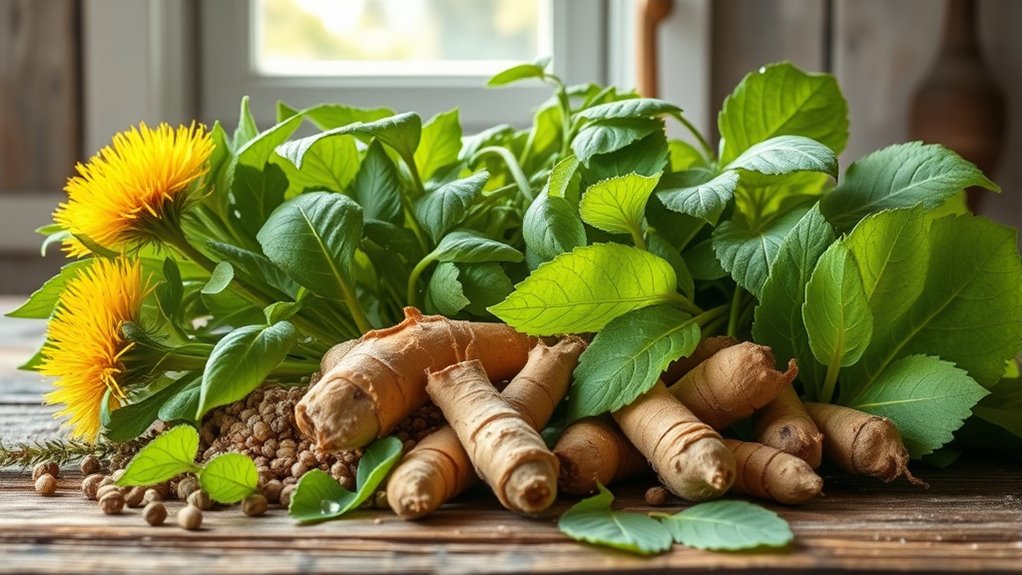
Many herbs have been traditionally used to support liver cleansing and enhance detoxification processes. Milk thistle is one of the most popular, containing silymarin, which helps protect liver cells from damage and promotes regeneration. Dandelion root is also widely used for its detoxifying effects, stimulating bile flow and supporting digestion. Artichoke leaf extract may aid in increasing bile production, helping to remove toxins. Turmeric contains curcumin, which has anti-inflammatory properties that support liver health. Licorice root is known for soothing the liver and reducing inflammation. These herbs are often integrated into teas, supplements, or tinctures to assist your body’s natural detox pathways. While tradition supports their use, it’s important to remember that scientific evidence varies for each herb’s effectiveness.
Evaluating the Evidence: Do Cleansing Herbs Actually Work?

You might wonder if cleansing herbs truly deliver the benefits they promise. Scientific studies often show mixed results, and traditional use alone isn’t enough to confirm effectiveness. Plus, it’s important to contemplate potential health risks associated with these herbs before relying on them.
Scientific Support for Herbs
While cleansing herbs are widely promoted for liver detoxification and improved health, scientific evidence supporting their effectiveness remains limited. Most studies are small, preliminary, or conducted on animals, making it hard to draw definitive conclusions. Some herbs, like milk thistle, have shown promise in protecting liver cells and reducing inflammation, but results vary. Clinical trials often lack rigorous controls or long-term follow-up, so benefits remain unproven in humans. You should approach claims skeptically and rely on well-designed research. While some laboratory and animal studies suggest potential benefits, they don’t guarantee real-world effectiveness. Until more extensive, peer-reviewed research is available, it’s wise to view cleansing herbs as complementary rather than primary treatments for liver health or aging.
Traditional Use Evidence
Traditional use of cleansing herbs offers a historical perspective on their potential benefits, but it doesn’t automatically confirm their effectiveness. For centuries, many cultures have relied on herbs like milk thistle, dandelion root, and turmeric to support liver health and detoxification. These practices emerged from traditional medicine systems such as Ayurveda and Traditional Chinese Medicine, where herbs were believed to cleanse the body and promote longevity. While such use highlights a long-standing belief in their benefits, it doesn’t prove they work scientifically. Your reliance on traditional use alone may lead to misconceptions. It’s important to remember that anecdotal evidence and cultural practices serve as starting points, not definitive proof. Modern research is necessary to validate whether these herbs truly provide the health benefits they’ve been historically attributed.
Potential Health Risks
Despite their popularity, cleansing herbs can pose health risks if not used properly or if their effects are overestimated. Some herbs may cause allergic reactions, digestive issues, or interact negatively with medications you’re taking. Overuse or high doses can lead to liver or kidney damage, especially if you have pre-existing conditions. Not all herbs are backed by solid scientific evidence, so relying solely on them might delay necessary medical treatment. Additionally, some products may contain contaminants or unlisted ingredients, increasing health risks. It’s essential to consult a healthcare professional before starting any detox regimen. Remember, natural doesn’t always mean safe. Being cautious and informed helps you avoid potential side effects and ensures your health remains protected while exploring cleansing options.
Potential Benefits and Risks of Liver Detoxes

Liver detoxes may help improve liver function and overall health, but they can also cause side effects like fatigue or gastrointestinal discomfort. While some benefits are promising, it’s important to take into account potential risks before starting a detox routine. Being informed helps you weigh the possible advantages against the possible drawbacks.
Detox Effects on Liver
While liver detoxes are often marketed as a way to improve overall health, their effects on your liver can be a double-edged sword. Some detox methods may help eliminate accumulated toxins, giving your liver a brief rest and potentially boosting its function. Herbs like milk thistle and dandelion are believed to support liver recovery and regeneration. However, aggressive detox regimes can also cause stress to your liver, especially if they involve extreme fasting or unproven supplements. Overloading your body with certain herbs or supplements might lead to inflammation or interfere with natural liver processes. Ultimately, your liver is resilient and naturally detoxifies itself. Supporting it with a balanced diet and healthy lifestyle is generally more effective and safer than relying solely on detox products.
Possible Side Effects
Although supporting your liver with natural detox methods can offer some benefits, it’s important to recognize that these approaches also carry potential risks. Some herbs and supplements used for detoxing can cause allergic reactions or interact negatively with medications you might be taking. Overdosing on certain ingredients, like milk thistle or dandelion root, can lead to gastrointestinal issues, nausea, or even liver strain. Additionally, extreme fasting or detox diets may result in nutrient deficiencies, fatigue, or dizziness. Not all detox products are regulated, so quality and safety vary widely. If you have pre-existing health conditions or are pregnant, detoxing could worsen your symptoms or pose health risks. Always consult a healthcare professional before starting any detox regimen to minimize these potential side effects.
How Lifestyle Factors Influence Liver Health and Longevity

Your lifestyle choices directly impact your liver’s health and your overall longevity. Eating a balanced diet rich in fruits, vegetables, and whole grains provides essential nutrients that support liver function. Avoid excessive alcohol consumption and limit processed foods to reduce liver strain and prevent damage. Regular exercise helps maintain a healthy weight, decreasing the risk of fatty liver disease. Staying hydrated flushes toxins and supports detoxification processes. Managing stress through mindfulness or relaxation techniques can also protect your liver from chronic inflammation. Sleep quality matters too; restorative sleep allows your body to repair and regenerate. By making these conscious choices, you not only support your liver’s health but also promote a longer, healthier life. Small daily habits profoundly influence your overall longevity.
Integrating Herbal Support With Overall Well-Being

Incorporating herbal support into your wellness routine can enhance liver function and promote overall health. By choosing herbs like milk thistle, dandelion, or turmeric, you support your body’s natural detox processes and bolster immune function. However, herbs work best when combined with good nutrition, regular exercise, and adequate sleep. Make mindful choices that reduce toxin exposure, such as limiting processed foods and alcohol. Stay consistent with your herbal regimen and listen to your body’s signals. Remember, herbs are a supplement, not a substitute for a balanced lifestyle. Integrating these natural supports into your daily routine helps create a holistic approach to well-being, fostering vigor, longevity, and a healthier liver. This balanced strategy maximizes benefits and promotes sustainable health.
Future Perspectives on Natural Liver Support and Aging

Looking ahead, advancements in research are opening new possibilities for natural liver support to promote healthy aging. Scientists are exploring how specific herbs and compounds can enhance liver function at a cellular level, potentially slowing age-related decline. Emerging technologies like genomics and metabolomics will help identify individual responses to herbal treatments, allowing for personalized approaches. Future studies may uncover new plant-based antioxidants that protect liver cells from oxidative stress, a key factor in aging. You could soon have access to targeted supplements designed to optimize liver detoxification pathways, support regeneration, and reduce inflammation. These innovations will make natural liver support more effective and tailored to your unique aging process, helping you maintain vitality and health longer.
Frequently Asked Questions
Are There Any Side Effects From Long-Term Herbal Liver Detoxes?
Yes, long-term herbal liver detoxes can cause side effects. You might experience digestive issues like nausea, diarrhea, or bloating. Some herbs can interact with medications or lead to nutrient imbalances if used excessively. Overdoing detoxes may also strain your liver or kidneys. It’s important to consult with a healthcare professional before maintaining a prolonged detox regimen to avoid potential health risks and guarantee safe use.
Can Liver Cleansing Herbs Replace Medical Treatments?
You shouldn’t rely on liver cleansing herbs to replace medical treatments. While these herbs may support your liver health naturally, they aren’t substitutes for professional healthcare. You need doctors for diagnosis, prescriptions, and managing serious conditions. Using herbs as complementary support is fine, but avoiding medical advice can be risky. Prioritize proper treatment, consult healthcare providers, and use herbs responsibly to guarantee your health and safety.
How Do Individual Genetics Affect Detoxification Efficacy?
Your genetics play a significant role in how effectively your body detoxifies. They influence enzyme activity, liver function, and nutrient absorption, which all impact detox processes. If you have certain genetic variations, you might detoxify toxins faster or slower than others. Knowing your genetic makeup can help you tailor detox routines and choose herbs that work best for your body, maximizing benefits and minimizing potential adverse effects.
Are Certain Herbs More Effective for Specific Liver Conditions?
Yes, certain herbs work better for specific liver conditions. For example, milk thistle is great for liver healing and protecting against toxins, while dandelion root can support bile flow and digestion. You should choose herbs based on your particular liver health issue. Consulting with a healthcare professional helps you identify the most effective herbs for your condition, ensuring safe and targeted support for your liver function.
What Are the Best Practices for Sustainable Liver Health?
To maintain sustainable liver health, you should eat a balanced diet rich in fruits, vegetables, and whole grains, limit alcohol, and avoid processed foods. Regular exercise helps improve overall function, while staying hydrated supports detoxification. Consider incorporating herbs like milk thistle or dandelion, but always consult a healthcare professional before starting new supplements. Prioritize consistent habits to keep your liver functioning at its best and support long-term wellness.
Conclusion
Remember, a healthy liver is key to a long, vibrant life. While herbs can support your detox efforts, they’re only part of the picture—balanced eating, regular exercise, and moderation matter most. Don’t forget the saying, “An ounce of prevention is worth a pound of cure.” By combining natural support with a healthy lifestyle, you’ll set yourself up for longevity and well-being. Trust the process, and enjoy the journey to better health.