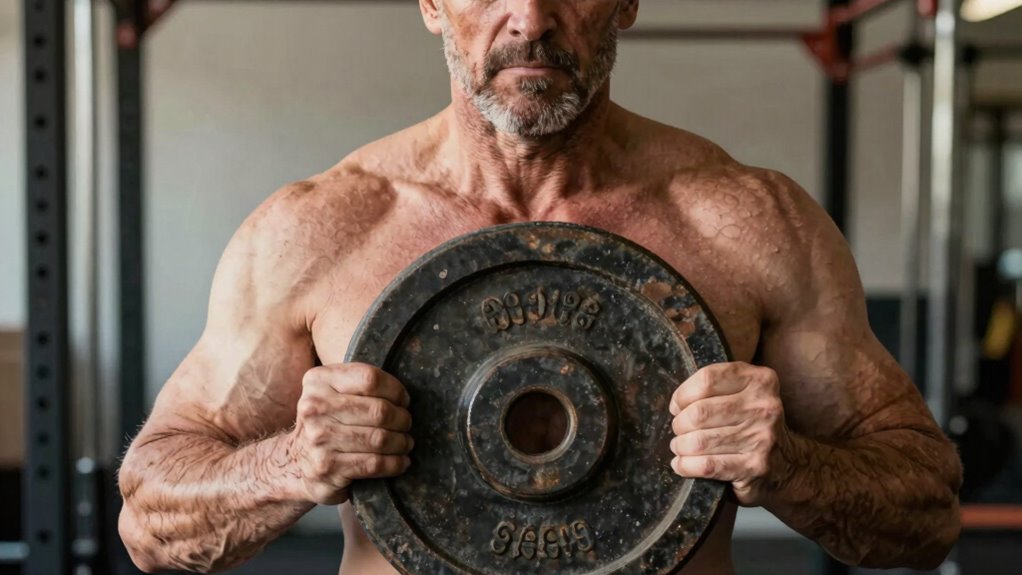

Many men overlook their bone health until problems arise, but it’s just as important as your heart or muscles. Strong bones help prevent fractures and osteoporosis as you age. You can keep them healthy by eating calcium and vitamin D-rich foods, staying active with weight-bearing exercises, and avoiding smoking or excessive alcohol. Small proactive steps make a big difference in keeping your bones strong for years to come. Keep going to discover simple ways to protect your skeletal health.

Get oils, diffusers and self-care delivered free — and shop member deals
- Fast, free delivery on millions of items
- Access to Prime Big Deal Days deals on October 6–7
- Prime Video, Amazon Music and more included
Key Takeaways
- Men should prioritize bone health early to prevent fractures and osteoporosis later in life.
- Incorporate calcium and vitamin D through diet or supplements to support strong bones.
- Engage in weight-bearing and resistance exercises to maintain or increase bone density.
- Avoid smoking and excessive alcohol, which can weaken bones and impair repair.
- Small lifestyle changes, like regular activity and proper nutrition, can effectively preserve bone strength over time.

Did you know that men often overlook the importance of maintaining strong bones until it’s too late? Many guys focus on building muscle or staying fit, but they don’t pay enough attention to their bones. The truth is, bone health is just as essential as cardiovascular health or muscle strength. It’s easy to think that bones are tough and unbreakable, but without proper care, your bone density can decline faster than you realize, increasing your risk of fractures and osteoporosis as you age.
Men often neglect bone health until it’s too late, risking fractures and osteoporosis with age.
You might not give much thought to your bones until you experience pain or an injury, but proactive steps can make all the difference. Incorporating diet supplements into your daily routine can support your bone health. Calcium and vitamin D are necessary nutrients for maintaining strong bones, and supplements can help fill any gaps in your diet, especially if you don’t consume enough dairy, leafy greens, or fortified foods. These diet supplements are convenient ways to boost your intake without overhauling your entire diet.
In addition to supplements, paying attention to your bone density is essential. Bone density measures how strong your bones are and how well they resist fractures. As you age, your bones naturally lose some density, but certain habits can accelerate this process. Regular weight-bearing exercises, like walking, jogging, or resistance training, stimulate bone growth and help preserve density. Complementing your workouts with the right nutrients ensures your bones stay resilient. Incorporating a diverse environment into your lifestyle can also support overall well-being, including your bone health, as it encourages natural bodily processes. Staying in environments that promote physical activity and reduce stress can further benefit your skeletal strength. Additionally, understanding how nutrient deficiencies impact bone health underscores the importance of a balanced diet and supplementation.
You might also overlook the importance of lifestyle choices, like smoking or excessive alcohol consumption, which can negatively impact your bones. Smoking reduces blood flow to your bones, impairing their ability to repair and rebuild, while alcohol can interfere with the body’s ability to absorb calcium and other necessary nutrients. Making healthier choices in these areas can greatly improve your bone health over time. Recognizing how aging-related changes in the body can influence bone health highlights the need for proactive measures at all stages of life. Furthermore, staying informed about bone health awareness can motivate you to prioritize your skeletal health early on.
The good news is that maintaining strong bones doesn’t have to be complicated or time-consuming. Simple steps like taking diet supplements, staying active, and avoiding harmful habits can go a long way. It’s about thinking ahead and making sure your bones stay strong as your body changes. Don’t wait until you’ve experienced a fracture or a bone-related issue to start caring for your bones. Start today by making small but impactful adjustments—your future self will thank you. Remember, strong bones are the foundation of an active, pain-free life, and taking care of them now will pay off for decades to come.
men's calcium vitamin D supplements
As an affiliate, we earn on qualifying purchases.
As an affiliate, we earn on qualifying purchases.
Frequently Asked Questions
Can Poor Posture Affect Bone Health?
Poor posture can indeed affect your bone health. Over time, slouching or bad ergonomic habits put unnecessary stress on your spine and bones, leading to misalignment and potential weakening. To protect your bones, focus on posture correction and adopt ergonomic habits, like adjusting your workstation and practicing good sitting and standing techniques. These steps help maintain proper bone structure and prevent long-term issues, keeping your bones strong and healthy.
How Does Alcohol Consumption Impact Bones?
Alcohol’s effect on your bones can be significant, leading to bone weakening if you drink excessively. It interferes with calcium absorption and hormone production essential for bone strength, increasing your risk of fractures and osteoporosis. When you consume too much alcohol regularly, you’re more likely to experience decreased bone density over time. To protect your bones, it’s best to limit alcohol intake and maintain a balanced diet rich in calcium and vitamin D.
Are There Specific Bones More Prone to Fractures?
Certain bones, like your hip, spine, and wrist, are more prone to fractures because they often endure the most stress or impact. If your bone strength is compromised, your fracture risk increases, especially in these vulnerable areas. To protect yourself, focus on maintaining good bone health through diet, exercise, and avoiding risk factors like smoking and excessive alcohol. Staying proactive can help reduce your chances of fractures in these high-risk bones.
Does Stress Influence Bone Density?
Yes, stress influences bone density by affecting stress hormones like cortisol, which can interfere with bone remodeling. When you’re stressed, elevated cortisol levels can decrease bone formation and increase bone breakdown, weakening your bones over time. Managing stress is essential for maintaining healthy bones, especially as you age. Regular exercise, relaxation techniques, and a balanced diet can help regulate stress hormones and support ideal bone remodeling.
Can Certain Medications Weaken Bones?
Yes, certain medications can weaken your bones. Medication effects like long-term use of corticosteroids, some anticonvulsants, and certain antidepressants may lead to bone weakening or decreased density. If you’re taking these medications, it’s crucial to discuss potential impacts on your bone health with your doctor. They might recommend bone-strengthening strategies or monitoring to reduce your risk of fractures and maintain healthy bones.
weight-bearing exercise equipment for bone health
As an affiliate, we earn on qualifying purchases.
As an affiliate, we earn on qualifying purchases.
Conclusion
So, while you might not think about your bones now, remember, the little choices you make today—like staying active and eating well—could be what keeps you steady tomorrow. It’s funny how a simple habit can quietly shape your future strength, almost like an unspoken promise to yourself. Don’t wait for a wake-up call; start caring for your bones today, because sometimes, the smallest actions are what truly hold us up when it matters most.
men's osteoporosis prevention supplements
As an affiliate, we earn on qualifying purchases.
As an affiliate, we earn on qualifying purchases.
bone density support supplements for men
As an affiliate, we earn on qualifying purchases.
As an affiliate, we earn on qualifying purchases.
Fall Picks
fall essentials
As an affiliate, we earn on qualifying purchases.