

If you’re seeking soothing warmth to relax tight muscles, heat therapy is your go-to, helping increase blood flow and loosen stiffness. For support and reducing swelling, compression provides a snug, stabilizing feeling that encourages circulation and faster healing. If you want to energize muscles or boost circulation, vibration therapy offers a stimulating, invigorating experience. Each method suits different recovery goals—exploring which feeling matches your needs can help you choose the right approach. Keep exploring to learn more about how these techniques can optimize your recovery.

Get oils, diffusers and self-care delivered free with Prime
- Fast, free delivery on millions of items
- Prime Video, Amazon Music and more included
- Member-only deals all year
Key Takeaways
- Choose heat therapy for soothing muscle stiffness, increased flexibility, and improved circulation during recovery.
- Use compression to reduce swelling, support injury, and promote lymphatic drainage for faster healing.
- Opt for vibration therapy to relax muscles, boost blood flow, and prevent tightness or future injuries.
- Consider the recovery goal: pain relief, swelling reduction, or muscle activation, to select the appropriate therapy.
- Combining therapies (e.g., heat with compression) can optimize recovery feelings and outcomes.
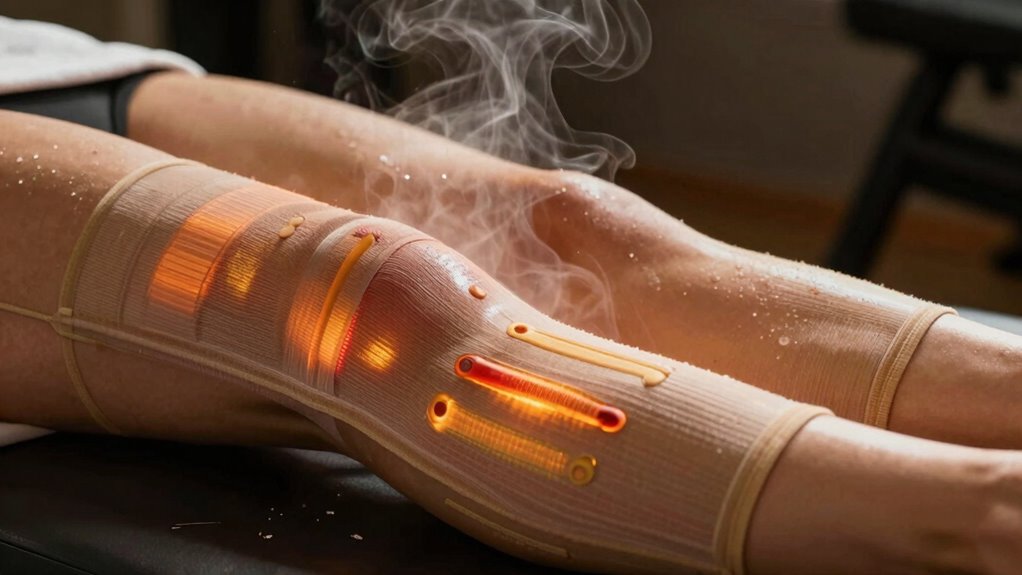
Recovery methods such as heat, compression, and vibration are essential tools to help your body heal and restore performance after intense activity. Choosing the right method depends on what you need most—whether it’s muscle relaxation, injury prevention, or simply easing soreness. Each technique offers unique benefits, so understanding what you aim to achieve can help you make the best choice.
Heat therapy is excellent for muscle relaxation. When you apply heat, it increases blood flow to the targeted area, helping to loosen tight muscles and reduce stiffness. If you’re feeling tense or have lingering soreness after a workout, heat can ease discomfort and improve flexibility. It’s also effective in promoting circulation, which speeds up healing by delivering oxygen and nutrients to damaged tissues. However, heat isn’t always suitable right after an injury, especially if swelling or inflammation is present, because it can exacerbate these issues. Instead, use heat when your muscles feel tight, stiff, or fatigued, and you want to prepare for subsequent activity or recovery. Incorporating proper application techniques can enhance the effectiveness of heat therapy and prevent burns or other adverse effects. Additionally, understanding the timing of heat application can help maximize its benefits and avoid potential setbacks. Applying heat too soon after an injury with swelling may hinder the healing process, so timing is crucial. Being aware of the body’s response to heat can further guide proper usage and improve recovery outcomes.
Compression, on the other hand, primarily supports injury prevention and reduces swelling. By applying consistent pressure, compression garments or devices limit fluid buildup and encourage lymphatic drainage. This technique is particularly useful after intense training sessions or minor injuries, as it helps minimize inflammation and accelerates recovery. Compression can also provide a sense of stability, which reduces the risk of further injury. If you tend to experience swelling or are recovering from a sprain or strain, incorporating compression into your routine can be a game-changer. It’s especially effective when combined with other recovery methods, such as ice or elevation, to manage inflammation and facilitate faster healing. Knowing when and how to properly apply compression can maximize its benefits and ensure optimal recovery.
Vibration therapy offers a different approach. It stimulates muscles through rapid, controlled oscillations, promoting muscle relaxation and increasing blood flow. This method is often used to reduce muscle tightness and improve flexibility, making it ideal if you’re seeking to ease stiffness and enhance recovery. Vibration also helps prevent injuries by keeping muscles active and responsive, preventing them from becoming too stiff or weak. If you want a quick, invigorating way to recover, vibration therapy can be particularly effective, especially when combined with stretching or massage. It’s also useful for maintaining muscle health during periods of reduced activity or as part of a dynamic warm-up. Additionally, vibration can enhance circulation, which is crucial for tissue repair and overall recovery. Understanding how to incorporate vibration therapy into your routine can help you optimize your recovery process and prevent future injuries. Incorporating consistent use can boost its effectiveness and help you achieve better results over time.
Products Worth Considering

Hyperice Normatec Elite Wireless Compression Boots Recovery – Standard Size

Therabody SmartGoggles 2nd Gen Heated Eye and Temple Massager

Theragun Mini 3rd Generation Massage Gun – Travel Essential (Black)
As an affiliate, we earn on qualifying purchases.
Frequently Asked Questions
Can These Recovery Methods Be Combined Effectively?
Yes, you can combine these recovery methods effectively. Many athletes incorporate alternative therapies like heat, compression, and vibration into their routine, adjusting based on their recovery frequency and needs. Combining these methods can enhance blood flow, reduce soreness, and speed up recovery. Just listen to your body and experiment with different combinations to find what works best for you, ensuring a balanced and effective recovery process.
How Long Should I Use Each Recovery Method?
Like a knight in shining armor, you want your recovery to be effective and swift. Use each method for about 15-20 minutes to promote muscle relaxation and circulation enhancement. If your muscles feel tight, start with heat; if you need to reduce soreness, try compression. Vibration can be used in short bursts. Adjust the time based on your comfort and response, ensuring you don’t overdo it for ideal results.
Are There Any Risks Associated With Heat or Vibration?
Yes, there are risks with heat therapy and vibration therapy. Excessive heat can cause burns or skin irritation, especially if applied too long or at high temperatures. Vibration therapy, if overused or applied with too much intensity, might lead to nerve or tissue damage. Always follow recommended guidelines, avoid prolonged use, and consult a healthcare professional if you experience discomfort or have underlying health conditions.
Which Recovery Method Is Best for Specific Injuries?
For specific injuries, choose recovery methods based on your needs. If you have muscle soreness, gentle vibration or compression can boost blood flow and reduce discomfort. For injury prevention, heat therapy helps relax muscles before activity, while compression supports swelling control afterward. Always consult a healthcare professional to tailor recovery methods, ensuring you target your injury correctly and effectively, minimizing the risk of further damage.
Do Recovery Methods Work Better Before or After Workouts?
Recovery methods work best after your workout, not before. Just like post workout nutrition refuels your muscles, mental relaxation helps your mind reset. Using heat or vibration before exercise might loosen stiff muscles, but applying them afterward promotes better healing. Incorporate recovery techniques into your post workout routine to optimize results, reduce soreness, and enhance mental clarity. This way, you prepare both your body and mind for your next workout.
Conclusion
Choosing between heat, compression, and vibration is like selecting your preferred recovery landscape—warmth soothes like a gentle sunrise, compression supports like sturdy mountains, and vibration energizes like a buzzing city. Each method offers a different vibe, shaping how you feel after a tough workout. Understand your body’s needs and imagine each one’s visual scene. Ultimately, your recovery isn’t just about method; it’s about creating the perfect environment for your body to heal and thrive.