To build stronger bones, focus on maintaining hormonal balance through a healthy diet, regular exercise, and medical check-ups. Make sure you get enough calcium and vitamin D for proper absorption, and support your gut health to optimize nutrient use. Incorporate weight-bearing activities like walking or strength training, avoid smoking and excess alcohol, and eat nutrient-rich foods such as leafy greens, nuts, and lean proteins. Keep exploring tips that can help you strengthen your foundation even further.

Get oils, diffusers and self-care delivered free — and shop member deals
- Fast, free delivery on millions of items
- Access to Prime Big Deal Days deals on October 6–7
- Prime Video, Amazon Music and more included
Key Takeaways
- Maintain hormonal balance through diet, exercise, and medical guidance to support long-term bone density.
- Ensure adequate calcium and vitamin D intake for optimal absorption and bone mineralization.
- Engage in weight-bearing and strength-training exercises to stimulate bone growth and strength.
- Avoid smoking and excessive alcohol to prevent accelerated bone loss.
- Incorporate nutrient-rich foods like leafy greens, nuts, and lean proteins to strengthen skeletal health.

Have you ever wondered how to keep your bones strong and healthy as you age? It’s a question many women ask, especially when considering the natural changes your body goes through over time. Maintaining a solid foundation isn’t just about taking calcium supplements; it’s about supporting your body’s ability to utilize nutrients effectively. One key factor is hormonal balance. Your hormones, particularly estrogen, play a pivotal role in preserving bone density. When estrogen levels drop, such as during menopause, your bones become more vulnerable to weakening and fractures. By keeping your hormones in check through a healthy diet, regular exercise, and, if needed, medical guidance, you can help slow down bone loss and maintain strength.
Another essential aspect is calcium absorption. Even if you consume enough calcium-rich foods, your body might not absorb it efficiently if your digestive health isn’t ideal. Factors like vitamin D deficiency, poor gut health, or certain medications can hinder calcium absorption, leaving your bones less nourished than they should be. To improve this, make sure you get enough vitamin D, which acts as a facilitator for calcium uptake. Sunlight exposure helps your body produce vitamin D naturally, but supplements might be necessary if you live in less sunny areas or have a deficiency. Additionally, incorporating foods that promote good gut health, such as probiotics and fiber, can enhance your body’s ability to absorb calcium effectively.
Beyond nutrients and hormones, lifestyle choices also impact your bone health. Weight-bearing exercises like walking, strength training, or dancing stimulate bone formation and help preserve density. Avoid smoking and excessive alcohol consumption, as these habits accelerate bone loss. Adequate sleep and stress management are equally important because chronic stress and poor sleep can disrupt hormonal balance, indirectly affecting bone health. Maintaining hormonal health is crucial for long-term bone strength and overall well-being. Regular check-ups and awareness of bone health indicators can help catch issues early and prevent severe deterioration. It’s also beneficial to stay informed about the role of nutrients in supporting your bones, as this knowledge can guide better dietary choices. Recognizing the importance of nutrient absorption can empower you to make choices that support overall bone health. A balanced intake of essential minerals and vitamins further enhances the resilience of your skeletal system.
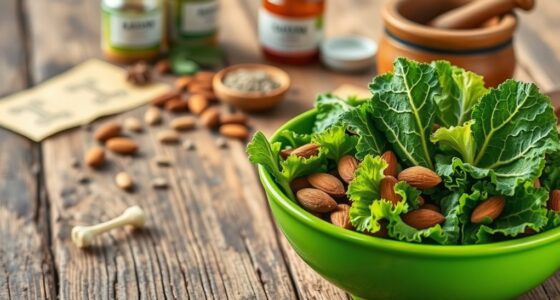
You should also pay attention to your overall nutritional intake. Adequate protein supports bone structure, while nutrients like magnesium, phosphorus, and vitamin K work together with calcium to strengthen bones. Instead of relying solely on supplements, focus on a balanced diet rich in leafy greens, nuts, seeds, and lean proteins. Developing habits that promote digestive health can significantly improve nutrient uptake and overall well-being, which are vital for maintaining strong bones.
In essence, supporting your bones as you age involves a holistic approach. Prioritize hormonal health, enhance calcium absorption, stay active, and nourish your body with the right nutrients. By doing so, you’re actively investing in a stronger foundation that can withstand the test of time. Your bones may not be visible every day, but their health directly influences your quality of life, independence, and confidence well into the future.
women's calcium and vitamin D supplements
As an affiliate, we earn on qualifying purchases.
As an affiliate, we earn on qualifying purchases.
Frequently Asked Questions
Can Bone Support Supplements Replace a Healthy Diet?
Bone support supplements can’t replace a healthy diet, but they can complement it. Your diet provides essential nutrients that promote calcium absorption and support bone mineralization naturally. Supplements help fill in gaps if your diet lacks certain nutrients, but they shouldn’t be your only strategy. To truly strengthen your bones, focus on a balanced diet rich in calcium, vitamin D, and other crucial nutrients alongside appropriate supplementation.
Are There Specific Exercises That Strengthen Bones Effectively?
Yes, certain exercises effectively strengthen your bones. Weight-bearing exercises like walking, jogging, and dancing put pressure on your bones, stimulating growth. Resistance training, such as lifting weights or using resistance bands, also helps improve bone density by challenging your bones and muscles together. Incorporate these exercises into your routine regularly, and you’ll build a stronger foundation, reducing your risk of osteoporosis and fractures over time.
How Does Menopause Affect Bone Health?
Menopause impacts your bone health by causing hormonal fluctuations, especially a drop in estrogen levels, which speeds up bone loss. This decline reduces your body’s ability to absorb calcium efficiently, weakening your bones over time. To counteract this, you should focus on calcium-rich foods, weight-bearing exercises, and possibly supplements, all aimed at maintaining stronger bones and reducing your risk of osteoporosis during this period.
Is Bone Density Testing Necessary for All Women?
Is bone density testing necessary for all women? Not necessarily. Your genetic factors and calcium absorption efficiency influence your bone health risk. If you’re over 65, have a family history of osteoporosis, or experience risk factors, testing helps catch issues early. For younger women without risk factors, routine testing may not be essential. Understanding your unique health profile guides personalized prevention strategies, ensuring you maintain a strong, resilient foundation.
What Are Early Signs of Weak Bones or Osteoporosis?
You might notice early signs of weak bones or osteoporosis, like frequent fractures, back pain, or loss of height. Poor calcium absorption can weaken your bones, while disruptions in bone remodeling can cause bone density to decline. If you experience persistent pain or fractures with little trauma, it’s essential to consult your doctor. Early detection helps manage these issues before they worsen, maintaining your bone strength and overall health.
bone health probiotic supplements
As an affiliate, we earn on qualifying purchases.
As an affiliate, we earn on qualifying purchases.
Conclusion
By prioritizing bone health, you embrace strength, resilience, and confidence. You nourish your bones with the right foods, stay active to build density, and stay informed to prevent issues. You support your future with every step you take today. You empower yourself to stand tall, to age gracefully, and to live fully. Remember, your foundation is your strength—take care of it, and it will carry you through countless tomorrows.
weight-bearing exercise equipment for women
As an affiliate, we earn on qualifying purchases.
As an affiliate, we earn on qualifying purchases.
menopause bone support supplements
As an affiliate, we earn on qualifying purchases.
As an affiliate, we earn on qualifying purchases.
Fall Picks
fall essentials
As an affiliate, we earn on qualifying purchases.