
To maximize calcium absorption for stronger bones, incorporate herbs like parsley, nettle leaf, alfalfa, oat straw, sage, and dandelion root into your diet. These herbs contain compounds that boost calcium uptake, reduce inflammation, and support mineral absorption. Using them regularly—whether in teas, meals, or supplements—can help improve bone health naturally. Continue exploring to discover how each herb specifically enhances your body’s ability to build and maintain strong bones.
Key Takeaways
- Herbs like parsley, cilantro, sage, turmeric, and ginger improve calcium absorption and reduce gut inflammation for stronger bones.
- Alfalfa provides essential minerals such as calcium, magnesium, and zinc to support bone density and mineral balance.
- Nettle leaf and oat straw are rich in calcium, magnesium, and silica, promoting mineral uptake and bone repair.
- Herbs like parsley and dandelion enhance nutrient digestion and support mineral absorption necessary for bone health.
- Incorporating herbs into meals or teas, such as basil and sage, boosts calcium utilization and overall skeletal strength.
The Role of Herbs in Enhancing Calcium Absorption
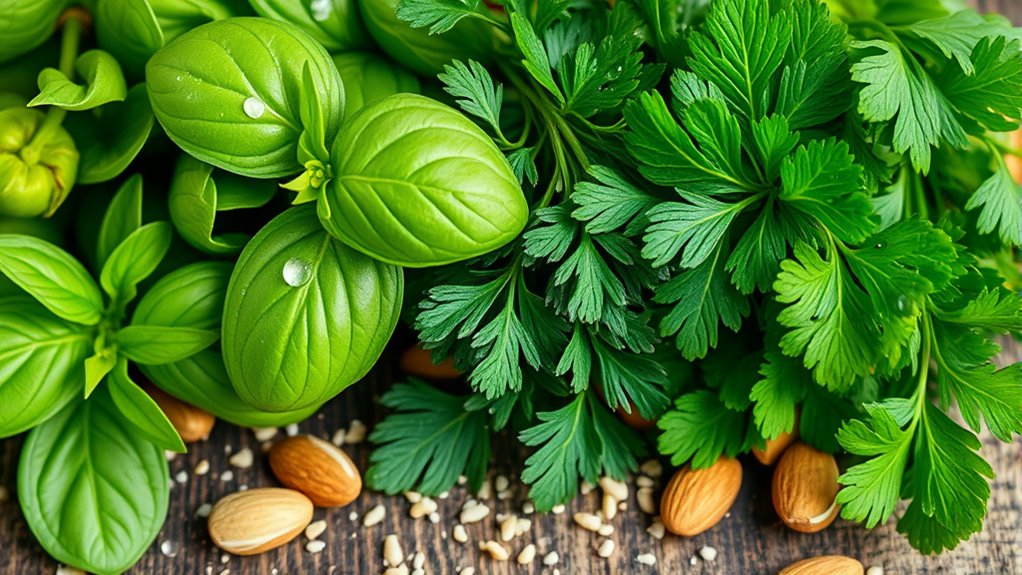
Herbs can play a essential role in improving how your body absorbs calcium, especially when combined with a balanced diet. Certain herbs contain compounds that enhance calcium uptake in your digestive system, making it easier for your body to utilize this fundamental mineral. For example, herbs rich in vitamin C, like parsley and cilantro, support collagen production, which is critical for bone strength and calcium integration. Additionally, herbs with anti-inflammatory properties, such as turmeric and ginger, can reduce gut inflammation, improving nutrient absorption overall. Incorporating these herbs into your meals not only boosts flavor but also helps your body make the most of the calcium you consume. Remember, enhancing absorption is key to maintaining healthy bones and preventing deficiencies.
Alfalfa: A Rich Source of Minerals That Support Bone Health
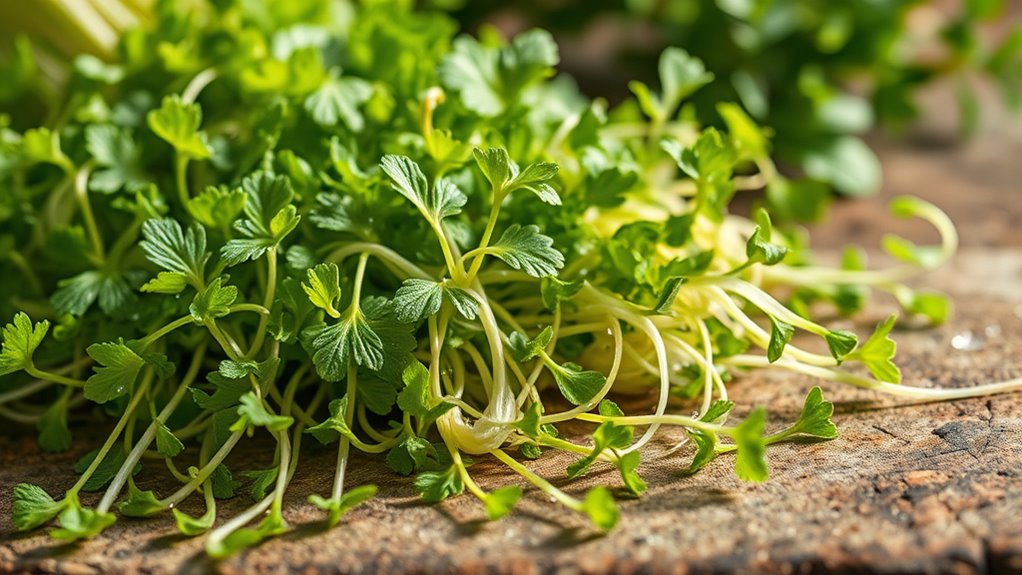
Alfalfa is packed with essential minerals that boost your bone health, making it a valuable addition to your diet. Its impressive nutritional profile provides not only calcium but also magnesium and other nutrients vital for strong bones. Incorporating alfalfa can help support your skeletal system and overall mineral balance effectively.
Mineral Content Highlights
Because of its impressive mineral profile, alfalfa is considered a valuable addition to your diet for supporting bone health. It’s rich in essential minerals like calcium, magnesium, and potassium, all of which play critical roles in maintaining strong bones. Calcium is essential for bone density, magnesium helps convert vitamin D into its active form, and potassium reduces calcium loss through urine. Alfalfa also contains trace minerals such as zinc, manganese, and iron, supporting overall skeletal strength and repair. Its diverse mineral content ensures your body receives a broad spectrum of nutrients necessary for ideal bone development. Including alfalfa in your diet can enhance mineral intake naturally, contributing to stronger, healthier bones over time. This makes alfalfa a smart choice for supporting your skeletal system.
Alfalfa Nutritional Profile
The mineral content in alfalfa makes it a standout addition to your diet for supporting bone health. It’s packed with essential minerals like calcium, magnesium, potassium, and iron, all of which play crucial roles in maintaining strong bones. Calcium is essential for bone density, while magnesium helps convert vitamin D into its active form, aiding calcium absorption. Potassium helps balance body pH, preventing calcium loss through urine. Iron supports overall bone regeneration and strength. Alfalfa also contains vitamins like K and C, which contribute to bone repair and collagen synthesis. Incorporating alfalfa into your meals or teas can boost your mineral intake naturally. Its rich nutritional profile makes it a powerful herb for supporting your bones and overall mineral balance.
Bone Support Benefits
Rich in essential minerals, alfalfa actively supports your bone health by providing nutrients critical for maintaining strength and density. Its high calcium content helps build and preserve bone structure, reducing the risk of osteoporosis. Magnesium in alfalfa aids calcium absorption and bone formation, ensuring your bones stay strong over time. Phosphorus works alongside calcium to reinforce bone density, while trace minerals like zinc and manganese promote healthy bone growth and repair. Regularly including alfalfa in your diet guarantees a thorough array of nutrients vital for their support. This natural herb not only boosts mineral intake but also enhances your body’s ability to absorb and utilize these nutrients effectively, contributing to overall skeletal strength and resilience.
Nettle Leaf: Boosting Calcium Uptake Naturally
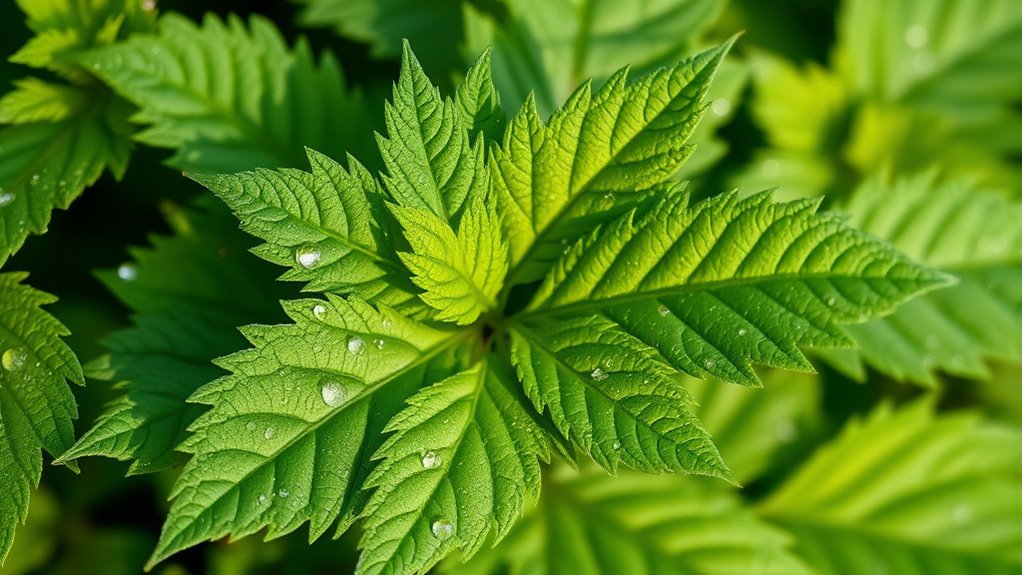
Nettle leaf is packed with essential nutrients that support your bone health, including calcium, iron, and magnesium. It helps your body absorb calcium more effectively, making it a valuable addition to your routine. Just be sure to follow safe use guidelines to enjoy its benefits without any concerns.
Nutrient Content of Nettle
Have you ever wondered which herbs can naturally enhance your calcium absorption? Nettle is a powerhouse packed with essential nutrients that support bone health. It’s rich in calcium, providing a significant portion of your daily needs in just a small serving. Nettle also contains magnesium and vitamin K, both crucial for calcium metabolism and bone strength. Its high iron content promotes healthy blood flow, indirectly supporting nutrient delivery to bones. The herb is loaded with antioxidants, which help reduce inflammation and protect bone tissue. Additionally, it supplies trace minerals like silica and manganese, essential for bone formation and repair. By including nettle in your diet, you naturally boost your intake of these crucial nutrients, creating the ideal environment for calcium absorption and stronger bones.
Enhancing Calcium Absorption
To truly maximize calcium absorption, it’s important to understand how certain herbs can support this process naturally. Nettle leaf is a powerful option, as it contains compounds that help improve mineral uptake in your body. It works by supporting your digestive system, making it easier for you to absorb calcium from foods and supplements. Nettle is rich in vitamin C and other nutrients that enhance the health of your gut lining, facilitating better calcium transfer into your bloodstream. Additionally, its anti-inflammatory properties reduce gut inflammation that can hinder absorption. Incorporating nettle tea or supplements into your routine can help ensure your body makes the most of the calcium you consume, strengthening your bones and supporting overall skeletal health.
Safe Use Guidelines
While nettle leaf can effectively support calcium absorption, it’s important to use it safely and appropriately. Always follow recommended dosages on the supplement label or consult your healthcare provider before starting. Nettle leaf is generally safe in moderation, but excessive use may cause stomach upset or allergic reactions. If you’re pregnant or breastfeeding, check with your doctor first, as safety isn’t fully established for these stages. Avoid using nettle leaf if you have kidney problems or blood-clotting disorders, as it can act as a diuretic or affect blood thinning. Be cautious about interactions with medications, especially blood thinners or diuretics. Using nettle leaf responsibly ensures you boost calcium absorption without unnecessary risks, promoting stronger bones safely.
Horsetail: An Ancient Herb for Stronger Bones
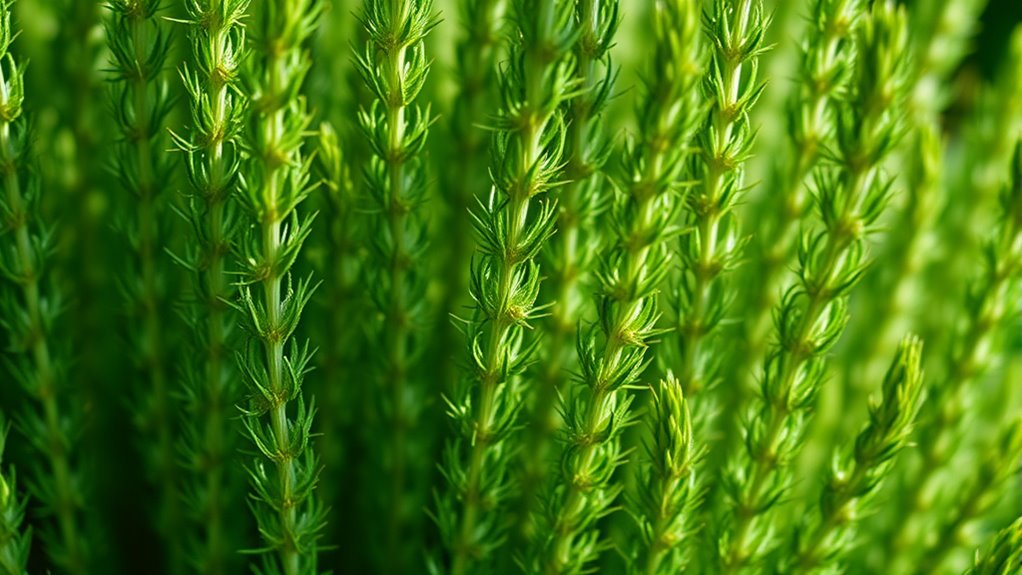
Horsetail, an ancient herb with a history dating back millions of years, is celebrated for its impressive calcium-boosting properties. Rich in silica, it helps strengthen bones and connective tissues, supporting overall skeletal health. When you incorporate horsetail into your routine, you’re providing your body with essential minerals that enhance calcium absorption and retention. This herb also promotes collagen production, which is crucial for bone strength and flexibility. You can consume horsetail as a tea, supplement, or extract, but make sure to follow recommended doses to avoid potential side effects. Regular use may help slow bone loss and improve density over time. By adding horsetail to your regimen, you leverage a natural, time-tested remedy that supports your goal of stronger, healthier bones.
Parsley: A Fresh Herb That Aids Calcium Utilization
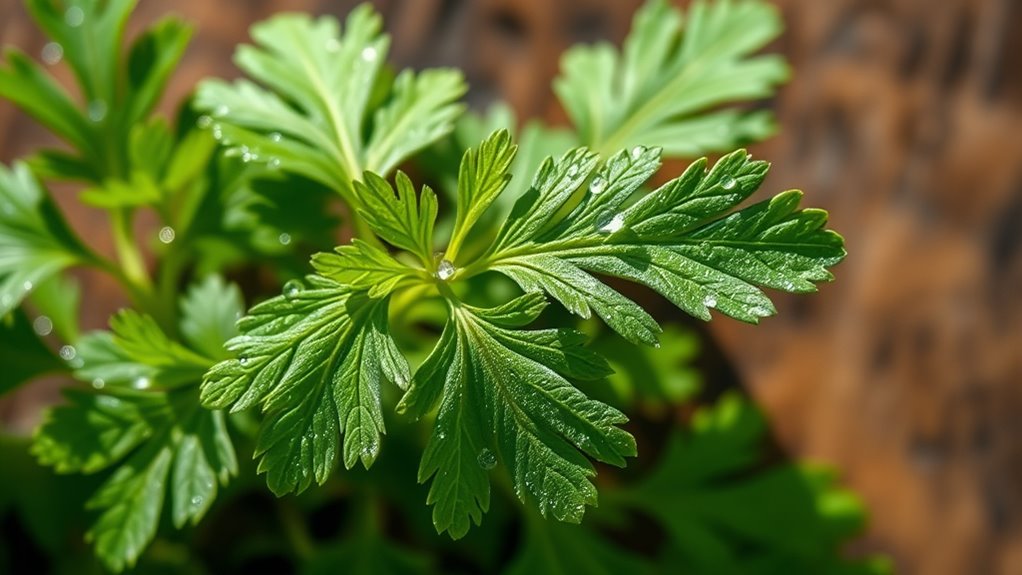
Parsley, a vibrant and flavorful herb, not only enhances your dishes but also plays a key role in improving calcium utilization in your body. Rich in vitamin K, parsley helps activate osteocalcin, a protein essential for binding calcium in your bones. This process boosts your bone strength and reduces the risk of fractures. Additionally, parsley contains antioxidants that combat inflammation, supporting overall bone health. Incorporating fresh parsley into your meals—like salads, soups, or garnishes—can make a noticeable difference. Its natural compounds work synergistically to optimize calcium absorption and retention. By adding parsley regularly, you’re giving your body the tools it needs to maximize calcium use, helping you build stronger bones and maintain bone density over time.
Dandelion Root: Improving Mineral Absorption for Bone Strength

Dandelion root has long been valued for its ability to support overall mineral absorption, making it a powerful ally for strengthening your bones. It helps your body efficiently process and utilize minerals like calcium, magnesium, and potassium, which are essential for bone health. The root acts as a gentle detoxifier for your liver and digestive system, improving nutrient absorption from your diet. By enhancing your body’s ability to extract crucial minerals, dandelion root ensures your bones receive the nutrients they need to stay strong and resilient. Incorporating dandelion root into your herbal routine can boost your mineral uptake naturally, supporting long-term bone density. Its bitter compounds also stimulate digestion, further aiding your body’s capacity to absorb and utilize critical minerals for ideal skeletal strength.
Oat Straw: Nourishing Bones With Herbal Support
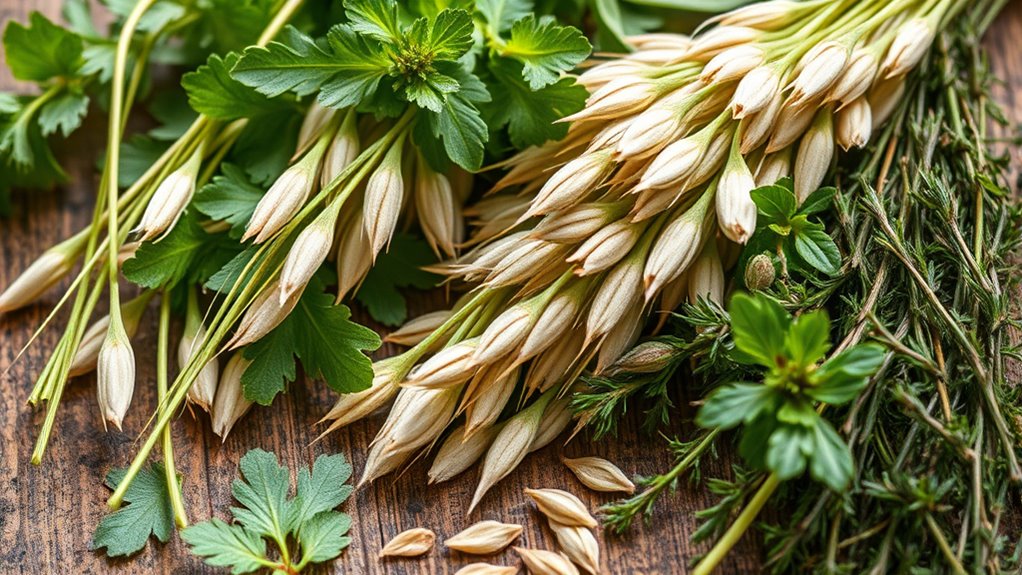
Oat straw is a nourishing herbal that provides essential minerals and nutrients to support your bone health. Rich in calcium, magnesium, and silica, it helps strengthen bones and improves their elasticity. By incorporating oat straw into your herbal routine, you supply your body with crucial compounds that promote bone density and resilience. The herb also contains vitamins like B1 and E, which contribute to overall skeletal vitality. You can enjoy oat straw as a tea or tincture to maximize its benefits. Regular use helps guarantee your bones receive ongoing nutritional support, especially when combined with calcium-rich foods and other herbal allies. Oat straw’s gentle, nourishing properties make it an excellent addition to your journey toward stronger, healthier bones.
Sage: Enhancing Calcium Absorption With Aromatic Herbs
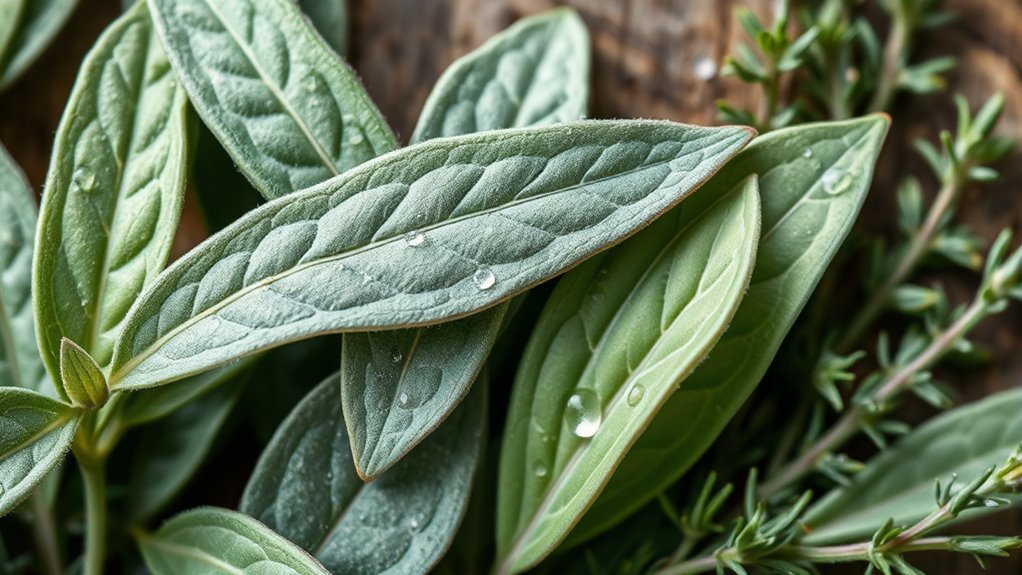
Sage is a powerful aromatic herb that can markedly boost your body’s ability to absorb calcium. Its rich aroma and medicinal properties help improve digestion, which is essential for calcium uptake. When you include sage in your meals or teas, it can stimulate your digestive enzymes, making it easier for your body to extract calcium from food sources. Additionally, sage contains compounds that reduce inflammation in the gut, supporting healthier nutrient absorption. Using fresh or dried sage in your cooking not only adds flavor but also enhances calcium bioavailability. By incorporating this herb regularly, you support your bones’ strength and density. Remember, combining sage with other calcium-rich foods maximizes its effectiveness, helping you achieve stronger, healthier bones over time.
Incorporating Herbs Into Your Diet for Better Bone Health
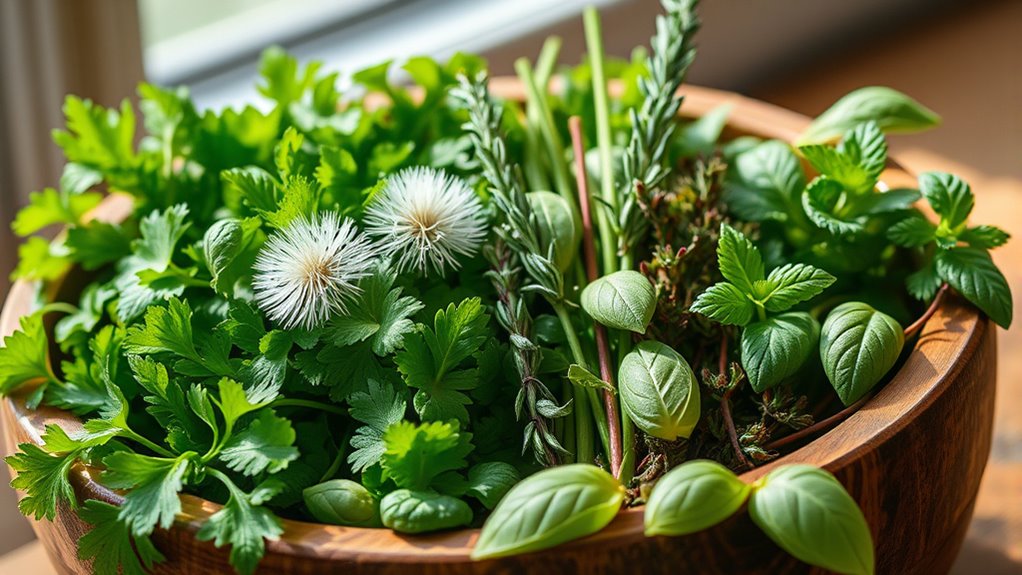
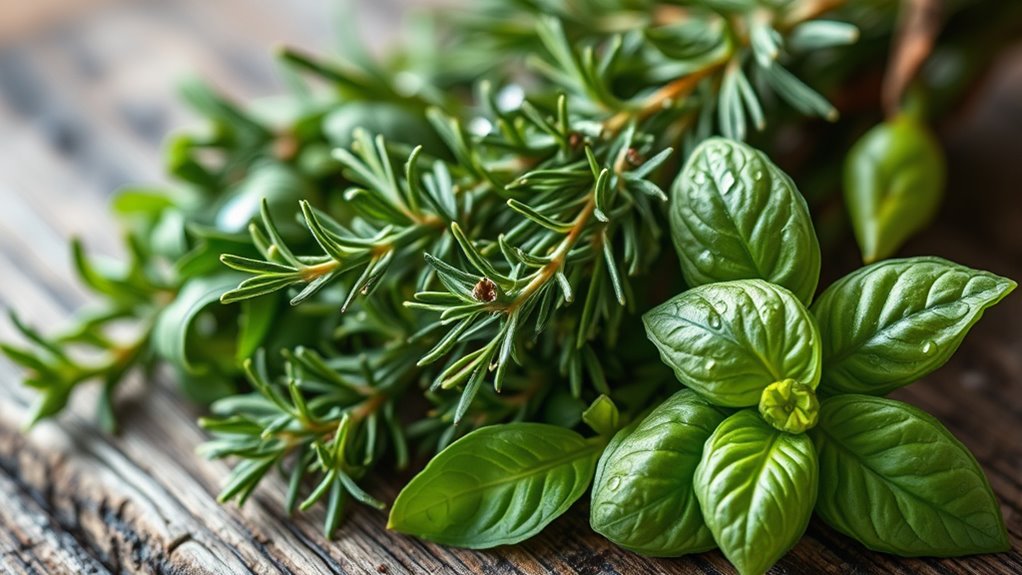
Incorporating herbs into your daily meals is a simple way to support better bone health. You can add herbs like parsley, basil, and thyme to soups, salads, and stir-fries to boost your nutrient intake naturally. These herbs aren’t just flavor boosters; many contain compounds that promote calcium absorption and reduce inflammation. For example, parsley is rich in vitamin K, essential for bone strength, while basil offers anti-inflammatory properties. You might sprinkle fresh herbs over roasted vegetables or incorporate dried herbs into marinades and dressings. Consistently adding these herbs to your meals makes it easy to enhance your diet without extra supplements. Over time, this simple habit can help improve your bone density and overall skeletal health.
Frequently Asked Questions
Can Herbs Replace Calcium Supplements for Bone Health?
Herbs can’t fully replace calcium supplements for bone health, but they can support your body’s ability to absorb calcium better. Incorporate herbs like horsetail, nettle, or alfalfa into your diet to enhance mineral absorption and promote stronger bones. However, make certain you’re getting enough calcium from food or supplements, especially if you’re at risk for deficiency. Combining herbs with proper calcium intake offers a balanced approach to maintaining healthy bones.
Are There Any Side Effects From Using Herbal Remedies for Calcium Absorption?
Herbal remedies for calcium absorption can cause side effects if used improperly. For example, excessive use of horsetail might lead to vitamin B1 deficiency or kidney issues. You should always consult a healthcare professional before starting any herbal supplement, especially if you have existing conditions or are on medication. While herbs can support bone health, overdoing it may result in unwanted side effects or interactions.
How Much Herbal Intake Is Needed to See Bone Health Benefits?
You should aim for small, consistent doses of herbs like nettle or horsetail daily, typically around 1 to 2 teaspoons of dried herbs steeped in tea or added to meals. Incorporate these herbs regularly over several months to notice bone health benefits. Remember, everyone’s body responds differently, so consult with a healthcare professional to determine the right amount for you and avoid any potential interactions or side effects.
Can Herbs Interfere With Medications for Osteoporosis?
Herbs can sometimes interact with osteoporosis medications, so it’s essential to be cautious. Did you know that certain herbs like St. John’s Wort can reduce the effectiveness of bisphosphonates by affecting drug metabolism? You might unknowingly decrease your medication’s efficacy if you don’t consult your healthcare provider. Always discuss herbal use with your doctor to prevent potential interactions and make certain your osteoporosis treatment stays effective.
Are Herbal Remedies Suitable for Children and Pregnant Women?
Herbal remedies aren’t always suitable for children and pregnant women, so you should consult a healthcare professional before use. Some herbs can cause adverse effects or interact with medications. Children and pregnant women have unique health needs, making it vital to choose remedies carefully. Always check with a doctor or herbalist to guarantee safety and proper dosing, avoiding potential risks during these sensitive life stages.
Conclusion
Imagine your bones as sturdy trees rooted deep in nourishing soil. By adding these vibrant herbs to your daily meals, you’re enriching that soil with essential minerals, helping your bones grow stronger and more resilient. Feel the gentle boost as herbs like parsley and horsetail work their magic, turning your plate into a powerhouse of calcium absorption. Embrace these natural warriors, and watch your bones flourish like a lush, unbreakable forest.