
To support joint flexibility and strengthen bones, you can try herbs like turmeric, ginger, horsetail, and nettle. These herbs help reduce inflammation, ease stiffness, and boost bone density naturally. Incorporating them into your daily routine through teas, supplements, or topical applications can make a difference. Be sure to follow recommended doses and consult a healthcare professional first. Keep exploring to discover more ways these herbs can enhance your health naturally.
Key Takeaways
- Turmeric and ginger reduce inflammation and joint stiffness, improving flexibility and mobility.
- Horsetail, nettle leaf, and alfalfa supply minerals like silica, calcium, and magnesium to strengthen bones.
- Boswellia and Devil’s Claw offer anti-inflammatory benefits and pain relief for joint health.
- Incorporating herbal supplements consistently can support cartilage repair and enhance joint function.
- Always consult a healthcare provider before starting new herbal remedies to ensure safety and proper dosage.
Top Herbal Remedies for Enhancing Flexibility and Mobility

When it comes to improving joint flexibility and mobility, herbal remedies can be a natural and effective option. Herbs like turmeric contain curcumin, which reduces inflammation and eases joint stiffness, making movement smoother. Ginger is another potent herb that helps improve circulation and reduce pain, enhancing your overall mobility. Boswellia, or frankincense, is known for its anti-inflammatory properties, which can help you move more freely without discomfort. Devil’s Claw has been used traditionally to relieve joint pain and increase flexibility. These herbs can be incorporated into your routine as teas, supplements, or topical applications. By regularly using these natural remedies, you may notice increased joint ease, reduced stiffness, and improved mobility over time.
Herbs That Strengthen and Support Bone Density
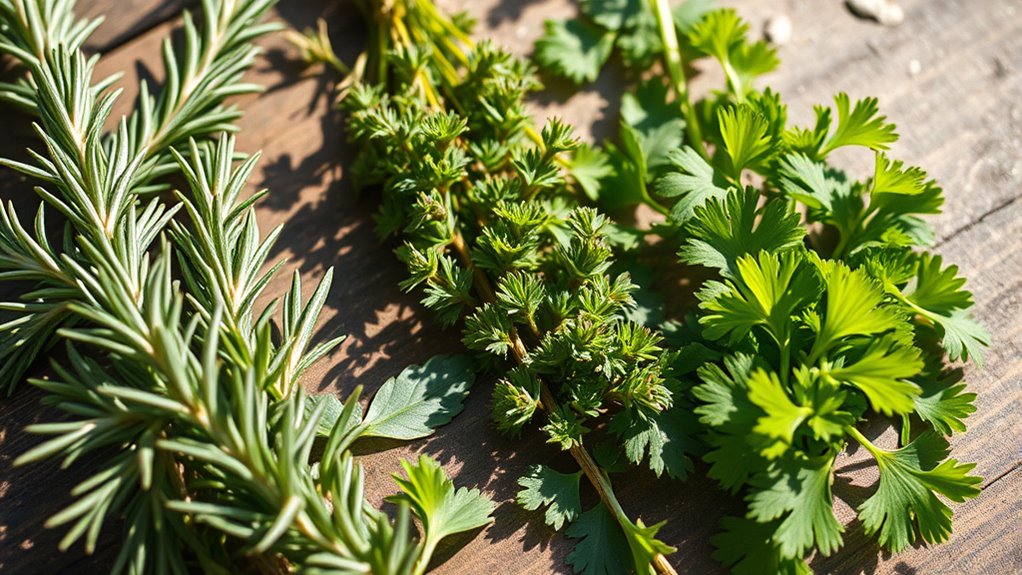
Certain herbs can play a crucial role in strengthening your bones and maintaining their density. For example, horsetail is rich in silica, which supports collagen production and improves bone strength. Nettle leaf provides essential minerals like calcium, magnesium, and iron, essential for bone health. Alfalfa is another herb that supplies these minerals, helping to rebuild and fortify bone tissue. Red clover contains isoflavones that mimic estrogen’s protective effects on bones, especially for postmenopausal women. Additionally, turmeric has anti-inflammatory properties that may reduce bone loss caused by chronic inflammation. Incorporating these herbs into your routine can support your bones naturally, promoting density and resilience. Remember, consistency is key to seeing the benefits of herbal support for your skeletal health.
How to Incorporate Herbal Supplements Into Your Routine

Integrating herbal supplements into your daily routine can be simple and effective with a few practical strategies. Start by choosing a consistent time each day, like morning or evening, to help form a habit. Keep your supplements in a visible place to remind yourself to take them regularly. Use a pill organizer or set alarms on your phone to stay on track. Combine herbal supplements with your meals to improve absorption and reduce potential stomach upset. Always follow the recommended dosage and consult with your healthcare provider before starting new herbs, especially if you’re on medication or have health conditions. Incorporating herbal supplements gradually allows your body to adjust, making it easier to maintain consistency and experience their full benefits over time.
Scientific Insights Into the Benefits of Herbal Joint and Bone Care

Scientific research increasingly supports the role of herbs in promoting joint flexibility and strengthening bones. Studies reveal that certain herbs contain compounds that reduce inflammation, enhance cartilage repair, and boost bone density. For example, turmeric’s curcumin has anti-inflammatory properties, ginger helps alleviate joint pain, and horsetail provides silica for bone strength. Additionally, herbs like devil’s claw may reduce discomfort, while boswellia improves mobility. These findings suggest herbs can complement traditional treatments effectively. Incorporating herbs into your routine may lead to decreased joint stiffness, increased range of motion, and stronger bones over time. As research advances, understanding the specific mechanisms behind these benefits becomes clearer, highlighting herbs’ potential as natural therapies for maintaining joint health and bone integrity.
Precautions and Tips for Using Herbs Safely

While herbs can offer valuable support for joint and bone health, it’s essential to use them with care to avoid potential risks. Always consult a healthcare professional before starting new herbal remedies, especially if you’re on medication or have existing conditions. Start with small doses to monitor your body’s response. Be aware of possible allergic reactions or side effects, and discontinue use if you notice adverse symptoms. Proper identification and sourcing of herbs are vital to prevent contamination or misidentification. Store herbs in a cool, dry place away from children. Follow recommended dosages and avoid combining multiple herbs without guidance. Here’s a quick reminder:
| Tips | Precautions |
|---|---|
| Consult a professional | Avoid self-medicating |
| Start small | Watch for allergic reactions |
| Follow dosage instructions | Keep herbs out of children’s reach |
Frequently Asked Questions
Are There Any Herbal Remedies Suitable for Children or Seniors?
Yes, some herbal remedies are suitable for children and seniors, but you should always consult a healthcare professional before use. For children, gentle herbs like chamomile or ginger can help with inflammation and discomfort. Seniors might benefit from turmeric or boswellia, which support joint health. Always start with small doses, monitor for reactions, and confirm the herbs are safe for age-specific needs to avoid any adverse effects.
Can Herbs Replace Conventional Medication for Joint and Bone Issues?
Herbs can’t replace your trusted medication overnight, but they can be powerful allies in easing joint and bone issues. Think of herbs as your sidekick, gently supporting your body’s natural healing powers and reducing inflammation. While they won’t perform miracles instantly, incorporating herbs like turmeric or ginger can markedly boost your comfort and mobility over time. Always consult your doctor before making herbal changes, but these natural helpers might just be your new best friends.
Which Herbs Are Most Effective for Chronic Joint Pain?
You should try turmeric, ginger, and boswellia for chronic joint pain. Turmeric contains curcumin, which has anti-inflammatory properties that can reduce pain and swelling. Ginger also fights inflammation and improves mobility. Boswellia, or frankincense, helps decrease joint inflammation and pain. Incorporate these herbs into your diet or take supplements to see if they provide relief, but always consult with a healthcare professional before making changes.
How Long Does It Typically Take to See Benefits From Herbal Treatments?
You might start noticing benefits from herbal treatments within a few weeks, but it often takes about 4 to 8 weeks for significant improvements. Consistency is key, so take the herbs as directed and give your body time to respond. Keep in mind that individual results vary based on your condition, age, and overall health. Patience and regular use help optimize the healing process.
Are There Any Interactions Between Herbs and Common Prescription Drugs?
Like a delicate dance, herbs and prescription drugs can sometimes clash. You need to be cautious, as certain herbs may interfere with your medications, affecting their effectiveness or causing side effects. Always consult your healthcare provider before mixing herbal remedies with medications. Think of it as choreographing a harmonious performance—your doctor helps guarantee everything moves smoothly, keeping your health in perfect rhythm.
Conclusion
Imagine your joints flowing freely like a gentle stream, supported by herbs that nurture your bones and boost flexibility. By incorporating these natural remedies into your daily routine, you’re creating a foundation of strength and mobility that lasts. With mindful use and care, you’ll feel the vibrant energy of healthy, resilient joints guiding you through each movement. Embrace this herbal journey and picture yourself moving effortlessly, empowered by nature’s gentle touch.