On Orthodox Christmas, celebrated on January 7th, you’ll find traditions centered on faith, reflection, and reverence. Worship involves attending services like the Divine Liturgy, where icons are venerated and hymns in ancient languages evoke devotion. Many fast and pray leading up to the feast, emphasizing humility and spiritual preparation. The atmosphere is solemn and contemplative, focusing on Christ’s sacred story rather than material gifts. If you continue exploring, you’ll discover how these timeless customs deepen spiritual connection.
Key Takeaways
- Eastern Orthodox Christians celebrate Christmas on January 7, following the Julian calendar.
- The celebration emphasizes religious rituals, including the Divine Liturgy and veneration of icons.
- Traditional hymns and chants in ancient languages are integral to Christmas services.
- Fasting and prayer leading up to Christmas foster spiritual reflection and humility.
- The atmosphere focuses on reverence, with community worship and connection to divine mystery.
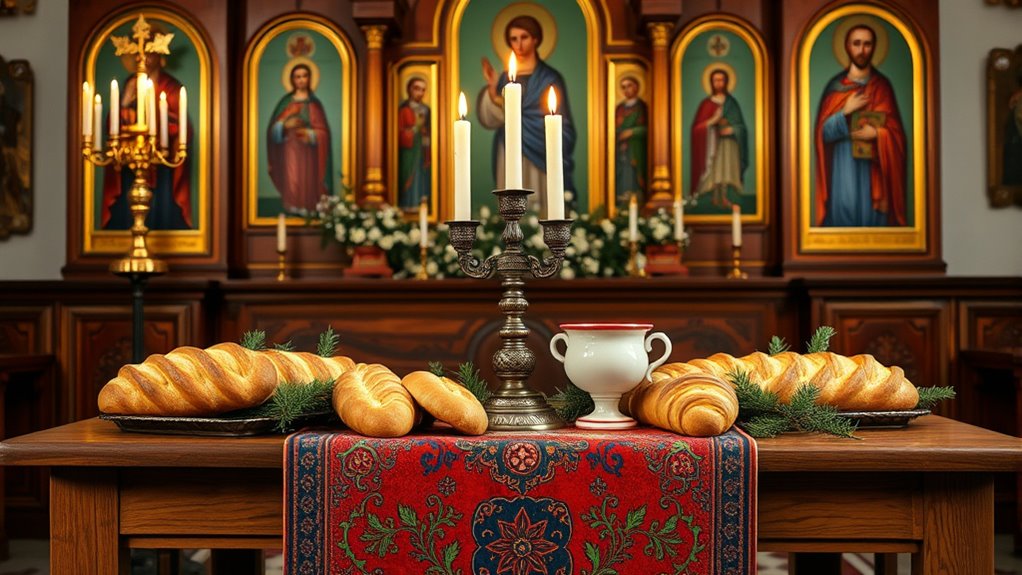
Have you ever wondered how Orthodox Christians celebrate Christmas differently from other traditions? If so, you’ll find that their customs are rich in symbolism and rooted in deep spiritual meaning. One of the most noticeable differences is the emphasis on religious icons and solemn traditions rather than commercial festivities. During the Christmas season, you might notice that homes and churches are decorated with beautiful religious icons depicting the Nativity scene, Mary, Joseph, and the Christ Child. These icons are more than just artwork; they serve as focal points for prayer and reflection, helping believers connect more deeply with the spiritual significance of the holiday.
Instead of the widespread Christmas carols familiar in many Western traditions, Orthodox Christmas celebrations often feature traditional hymns and chants sung during liturgical services. These chants are usually sung in ancient languages like Greek, Church Slavonic, or Cyrillic, creating a reverent and sacred atmosphere. The melodies are complex and soulful, designed to evoke a sense of awe and devotion. During the Christmas Eve service, known as the ‘Holy Supper,’ the congregation gathers to listen to scriptural readings and sing hymns that recount the birth of Jesus, emphasizing the theological importance of the event rather than focusing on secular aspects.
Orthodox Christmas features ancient hymns and chants in sacred languages, emphasizing reverence and spiritual reflection.
On Christmas Day itself, the liturgical service is central, with a focus on the Divine Liturgy that celebrates the birth of Christ. The service is filled with prayers, incense, and the singing of more hymns, all aimed at commemorating God’s incarnation. It’s common for Orthodox believers to attend these church services, sometimes standing for hours in reverence. The atmosphere is contemplative and solemn, contrasting with the more festive, commercialized Christmas celebrations seen elsewhere. The use of religious icons during these services is integral—they are venerated and kissed as symbols of faith, reminding worshippers of the divine mystery unfolding in the Nativity.
In your experience, you’ll also notice that Orthodox Christmas preparations involve fasting and prayer, building anticipation for the feast. The focus remains on spiritual reflection, emphasizing humility, charity, and gratitude. Additionally, the use of religious icons during the services helps to deepen the connection between worshippers and their faith, serving as visual aids for prayer and contemplation. Overall, Orthodox Christmas traditions highlight a spiritual journey that centers on worship, reverence for religious icons, and singing traditional hymns—an approach that deeply roots the celebration in faith and tradition rather than materialism. This distinctive way of celebrating makes Orthodox Christmas a profoundly meaningful experience, inviting you to reflect on the divine gift of Christ’s birth and your place within that sacred story.
Frequently Asked Questions
Why Do Orthodox Christians Celebrate Christmas on January 7?
You celebrate Christmas on January 7 because Orthodox Christians follow the Julian Calendar, which is currently 13 days behind the Gregorian Calendar used worldwide. This date holds deep religious significance as it commemorates the birth of Jesus Christ according to their traditional liturgical schedule. By observing Christmas on January 7, you honor the historical timing of the event, maintaining the spiritual and cultural traditions that are central to your faith.
How Do Orthodox Christmas Customs Differ Globally?
Like a mosaic shaped by regional colors, Orthodox Christmas customs vary globally. You’ll notice differences in culinary traditions, from hearty fish dishes in Greece to sweet pastries in Russia. Liturgical music also reflects local influences, blending ancient chants with regional melodies. These customs embody the diverse tapestry of faith, creating a unique celebration where global traditions meet local expressions, enriching the spiritual experience across Orthodox communities worldwide.
What Is the Significance of Fasting Before Orthodox Christmas?
Fasting before Orthodox Christmas serves as a spiritual discipline that prepares you mentally and physically for the celebration. It’s a form of ritual purification, helping you reflect on humility and gain a deeper connection with your faith. By abstaining from certain foods, you demonstrate self-control and focus on spiritual growth, making the holiday’s significance more meaningful as you await the joyful celebration of Christ’s birth.
Are There Specific Orthodox Christmas Symbols or Icons?
Imagine stepping into a sacred gallery where Orthodox icons serve as windows to divine truths. On Orthodox Christmas, you’ll notice symbols like the Nativity scene, the star, and angels, which represent hope, guidance, and divine presence. These Orthodox Christmas symbols and icons evoke spiritual reflection, connecting you with the sacred story of Christ’s birth. They invite you to contemplate faith, tradition, and the eternal light shining in darkness.
How Do Orthodox Traditions Incorporate Local Cultural Elements?
You’ll notice that Orthodox traditions incorporate local folk customs and regional culinary traditions, making each celebration unique. You might see traditional dances, music, or costumes, blending religious practices with cultural expressions. During the feast, you enjoy regional dishes specific to your area, highlighting local ingredients and flavors. This integration helps you connect deeply with your heritage, creating a richer, more meaningful Orthodox Christmas experience rooted in your community’s traditions.
Conclusion
Celebrating Orthodox Christmas on January 7th connects you to centuries of rich traditions, from midnight liturgies to festive meals. Imagine participating in a community feast, sharing bread and blessings, just like in a small Greek village. These customs foster deep spiritual bonds and cultural identity. Embracing them can transform your holiday into a meaningful experience, reminding you of the enduring power of faith and tradition that unites people across generations and borders.