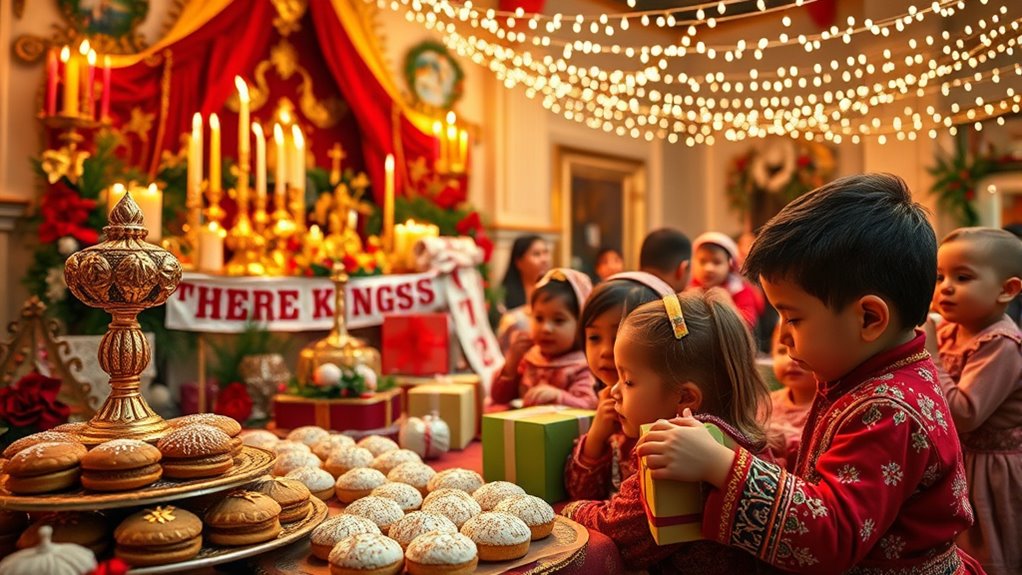

On January 6th, you celebrate Epiphany or Three Kings Day by participating in traditions like leaving shoes filled with hay for the Magi’s camels and waking up to gifts, especially for children. You might enjoy special foods like Epiphany cake or Panettone, and watch parades or reenactments of the Magi’s journey. Homes may be blessed, and communities come together in colorful festivals. If you keep exploring, you’ll discover more about this meaningful holiday’s rich customs and history.
Key Takeaways
- Celebrants commemorate the Magi’s visit to Jesus, symbolizing his revelation to the Gentiles, on January 6th.
- Children often leave shoes filled with hay for the Magi’s camels, receiving gifts in return.
- Traditional foods like Epiphany cakes or Panettone, often with hidden figurines, are prepared for the celebration.
- Religious rituals include blessing homes and water, emphasizing spiritual renewal and divine light.
- Parades, costume processions, and community gatherings are common, highlighting cultural and religious festivities.
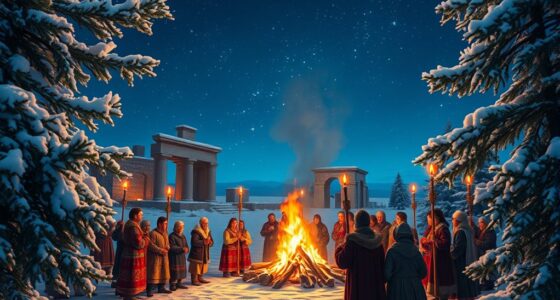
Have you ever wondered why January 6th is celebrated as Epiphany or Three Kings Day? This special day marks the culmination of the Christmas season and has deep roots in history and culture. Its origins trace back to early Christian traditions, where it commemorates the visit of the Magi, or Wise Men, to the newborn Jesus. The historical origins of Epiphany connect to the Christian belief that this was the moment when Jesus was revealed as the Messiah to the world, symbolized by the Magi’s journey from the East bearing gifts. Over centuries, this event became a focal point of Christian liturgy and storytelling, especially in Western Christianity, where it’s seen as the manifestation of Christ to the Gentiles. The day also aligns with other ancient winter festivals that celebrated the sun’s rebirth and the renewal of life, blending religious significance with seasonal customs. Interestingly, the timing of Epiphany often coincides with traditional winter solstice celebrations, emphasizing themes of light and renewal.
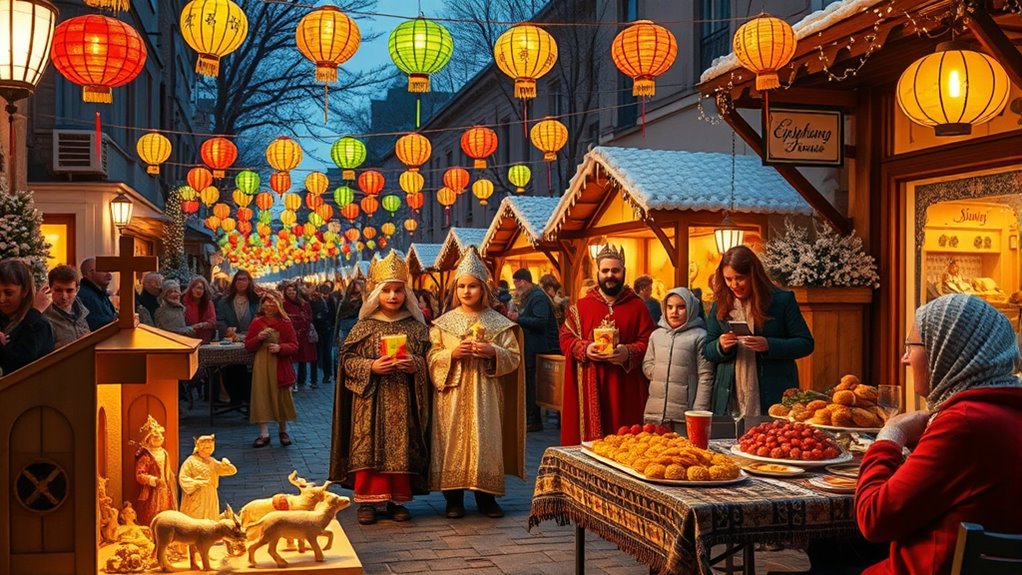
Cultural celebrations of Epiphany vary widely across the globe, but many traditions revolve around gift-giving, special foods, and community gatherings. In many countries, children enthusiastic await the arrival of the Three Kings, believing they bring presents much like Santa Claus. In Spain and Latin America, it’s common to leave out shoes filled with hay or straw for the camels that the Magi travel on, and in the morning, kids find gifts left by the Wise Men. This tradition echoes the original gifts of gold, frankincense, and myrrh, which symbolize Jesus’ kingship, divine nature, and suffering. In Italy, families prepare a special cake called a “Epiphany cake” or “Panettone,” often hiding a small figurine inside. Whoever finds it is said to have good luck for the year ahead. In parts of Eastern Europe, large parades and reenactments of the Magi’s journey take place, showcasing vibrant costumes and pageantry that draw communities together.
Many cultures also observe religious services, where clergy bless homes and water, echoing the biblical story of the Magi’s visit. These blessings serve as a reminder of spiritual illumination and the recognition of divine light in the world. The customs and celebrations of Epiphany reflect a blend of religious faith, historical memory, and cultural identity that has persisted for centuries. Whether through grand parades, small family traditions, or church rituals, you’ll find that this day remains a meaningful celebration of faith, hope, and community. It’s a time to remember the significance of that first revelation of Christ to the world, making January 6th a truly special day across many cultures.
Frequently Asked Questions
How Do Different Countries Celebrate Epiphany Uniquely?
You’ll find that different countries celebrate Epiphany with unique regional customs. In Spain, you might enjoy the Three Kings parade and share a special cake called Roscón de Reyes. In Italy, kids receive gifts from La Befana, a friendly witch. Meanwhile, in Mexico, families attend church and eat a special sweet bread called Rosca de Reyes. These cultural variations make each celebration distinct and memorable.
What Are Popular Foods Associated With Three Kings Day?
Imagine a festive feast where flavors dance like stars in the night sky. On Three Kings Day, you indulge in sweet treats like King cake and Rosca de Reyes, symbolizing the journey of the Wise Men. The King cake hides a baby figurine, bringing good luck, while the Rosca de Reyes’s ring shape represents eternal love. These foods connect you to tradition and celebration, filling your day with warmth and joy.
Are There Specific Gifts Exchanged on January 6th?
You may participate in gift exchanges on January 6th, where you exchange symbolic presents that honor the gifts the Wise Men brought to Jesus. These gifts often include items like jewelry, religious tokens, or small keepsakes, emphasizing the spirit of giving and reflection. The focus is on meaningful, thoughtful presents rather than material value, helping you celebrate the holiday’s religious significance and tradition of generosity.
How Has the Celebration of Epiphany Evolved Over Time?
Your curiosity about how Epiphany has evolved is as vast as the universe itself. Over time, its historical origins have blended with modern practices, transforming from solemn religious ceremonies to lively celebrations. Today, many communities exchange gifts, hold parades, and enjoy special foods, reflecting both tradition and contemporary flair. This evolution highlights how cultural practices adapt, preserving their essence while embracing new ways to celebrate the enduring spirit of the holiday.
What Are Traditional Music or Songs Played During This Holiday?
During Epiphany, you’ll enjoy musical traditions like festive carols and traditional songs celebrating the Three Kings. These melodies often include lively tunes and heartfelt hymns that honor the journey and arrival of the Wise Men. In many cultures, singing these songs adds joy to the celebrations, creating a warm, communal atmosphere. You might even join in with special musical performances that highlight the significance of this special day.
Conclusion
As you celebrate Epiphany, you’re part of a rich tradition that’s been around for centuries. From the festive parades to sharing special treats, these customs deepen your connection to history and community. Remember, understanding these traditions can bring you closer to the heart of the holiday. So, embrace the spirit of the season and make the most of this special day—after all, it’s a golden opportunity to create lasting memories with loved ones.