

To boost your energy, focus on better recovery habits like maintaining a consistent sleep schedule and creating a calming sleep environment. Fuel your body with balanced meals rich in lean proteins, healthy fats, and complex carbs, and stay well-hydrated to support healing. Incorporate active recovery, such as gentle stretching or walking, to promote circulation and reduce soreness. Prioritizing these habits enhances your resilience and energy—if you want to learn how to optimize each step, keep exploring.

Get oils, diffusers and self-care delivered free with Prime
- Fast, free delivery on millions of items
- Prime Video, Amazon Music and more included
- Member-only deals all year
Key Takeaways
- Prioritize quality sleep to support the body’s natural repair and energy restoration processes.
- Maintain balanced nutrition with proteins, healthy fats, and complex carbs to fuel recovery.
- Stay well-hydrated to enhance nutrient transport and reduce fatigue.
- Incorporate active recovery activities like stretching or walking to boost circulation and tissue repair.
- Establish consistent habits around sleep, nutrition, and rest for sustained energy and resilience.

Have you ever wondered why some people bounce back quickly from intense workouts or stressful days? The secret often lies in their recovery habits, which are essential for maintaining energy and overall well-being. One of the most effective ways to support recovery is by paying attention to sleep hygiene. This means establishing a consistent sleep schedule, avoiding screens before bed, and creating a calming environment that helps you wind down. When your body gets quality sleep, it can repair tissues, regulate hormones, and restore energy levels more efficiently. Skimp on sleep, and your recovery slows down, leaving you feeling drained and more prone to burnout.
Prioritize sleep hygiene to boost recovery, repair, and energy for better resilience and well-being.
Alongside sleep hygiene, your nutritional strategies play a critical role in recovery. Proper nutrition fuels your body’s repair processes, replenishes depleted energy stores, and reduces inflammation. Focus on balanced meals that include lean proteins, healthy fats, and complex carbs. Proteins like chicken, fish, or plant-based options supply amino acids essential for muscle repair. Carbohydrates such as oats, sweet potatoes, or whole grains help replenish glycogen stores, giving you sustained energy. Healthy fats from sources like avocados, nuts, and olive oil reduce inflammation and support cell health. Incorporating plenty of fruits and vegetables provides antioxidants that combat oxidative stress caused by intense activity or stress. Additionally, getting enough sleep is crucial because it enhances your body’s natural healing processes and overall recovery efficiency. Incorporating proper hydration into your routine ensures that your body can efficiently deliver nutrients and eliminate toxins, further speeding up recovery. Maintaining consistent meal timing can also optimize nutrient absorption and recovery outcomes. Research also shows that adequate rest periods allow your muscles and tissues to repair more effectively, ensuring better recovery over time. Furthermore, understanding how active recovery strategies, such as light stretching or walking, can promote circulation and reduce soreness, is beneficial in maintaining optimal recovery.
Combining good sleep hygiene with strategic nutrition creates a powerful foundation for faster recovery. When you prioritize sleep, your body’s natural repair mechanisms operate at their best, and when you feed it properly, you give yourself the building blocks needed for renewal. Over time, these habits help you bounce back more quickly from physical exertion or stress, boosting your energy and resilience. Remember, recovery isn’t just about resting; it’s an active process that involves nourishing your body and mind to perform at their peak day after day.
Products Worth Considering

Hyperice Normatec Elite Wireless Compression Boots Recovery – Standard Size
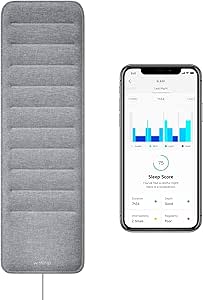
Withings Sleep Under-Mattress Sleep Tracking Pad

Levoit Core 400S-P Smart Air Purifier for Large Rooms
As an affiliate, we earn on qualifying purchases.
Frequently Asked Questions
How Long Should I Rest Between Intense Workouts?
You should rest 24 to 48 hours between intense workouts to allow proper recovery. During this time, focus on hydration strategies to replenish lost fluids and nutrients. Incorporate stretching routines to improve flexibility and reduce muscle soreness. Listen to your body; if you’re still sore or fatigued, extend your rest. Adequate recovery helps prevent injury, boosts energy, and enhances your overall performance for your next workout session.
Can Recovery Habits Improve Mental Health?
Have you ever considered how your recovery habits impact your mental health? They definitely can. By incorporating mindfulness practices and stress management techniques into your routine, you promote emotional resilience and clarity. Better recovery habits help reduce anxiety and improve mood, making it easier to face daily challenges. So, yes—taking time to recover isn’t just physical; it’s essential for mental well-being too. Are you ready to prioritize your mental health today?
What Are the Best Recovery Foods?
You should focus on recovery foods like post workout smoothies packed with protein, healthy carbs, and antioxidants to replenish energy and repair muscles. Hydration strategies are essential too, so drink plenty of water or electrolyte drinks to stay balanced. Incorporate fruits, yogurt, or greens into your smoothies, and remember, consistent recovery habits help boost your energy and overall well-being. Prioritize these foods and strategies to optimize your recovery process.
How Does Sleep Impact Recovery?
Sleep profoundly speeds your recovery by strengthening sleep hygiene and dream regulation. When you prioritize consistent sleep schedules and create a calming bedtime routine, your body repairs tissues and replenishes energy more effectively. Good sleep reduces fatigue, sharpens focus, and supports immune function, making recovery smoother. By embracing healthy sleep habits, you set the stage for better energy, improved performance, and overall well-being, fueling your fitness journey with restful, restorative rest.
Are Recovery Habits Different for Athletes and Non-Athletes?
Recovery habits do differ for athletes and non-athletes, but both benefit from a strong recovery mindset. Athletes focus more on targeted hydration strategies, proper nutrition, and active recovery, while non-athletes might prioritize adequate rest and stress management. Regardless of your activity level, adopting effective recovery habits helps boost energy, reduce fatigue, and improve overall well-being. You should tailor these habits to your lifestyle for the best results.
Conclusion
By adopting better recovery habits, you set yourself up for sustained energy and overall well-being. Remember, “a stitch in time saves nine”—taking care of yourself now prevents bigger issues later. Prioritize restful sleep, stay hydrated, and listen to your body’s signals. Small daily efforts add up, helping you recharge and perform at your best. Make recovery a non-negotiable part of your routine, and you’ll notice the difference in your energy levels and quality of life.