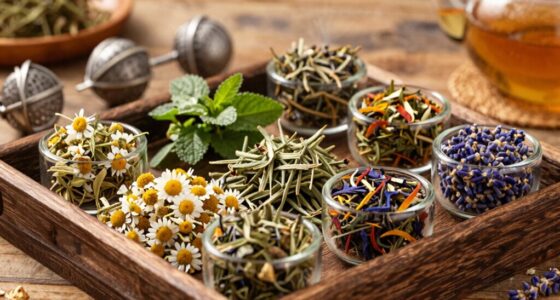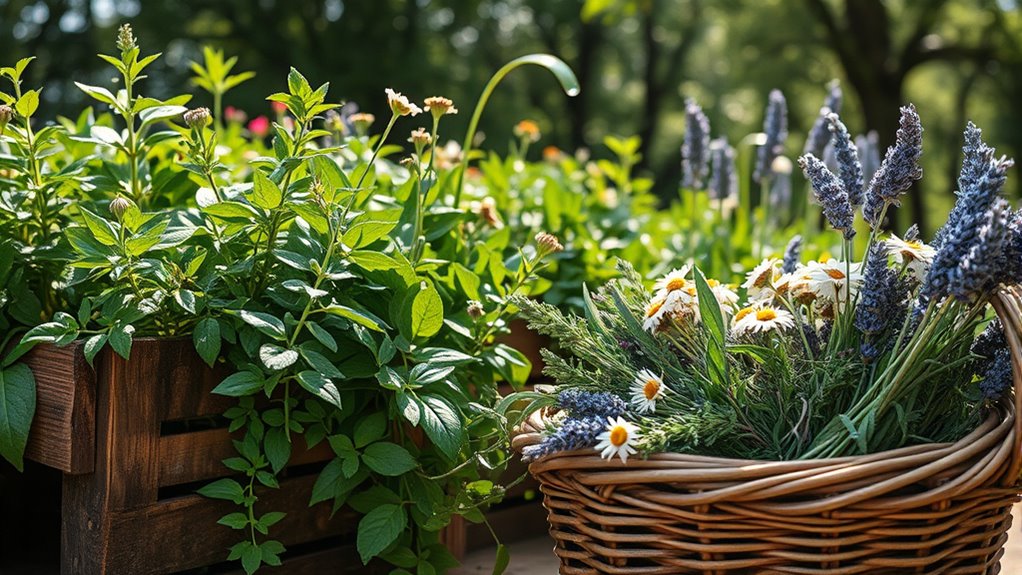

In modern herbalism, ethical sourcing and sustainability are key to protecting plants, supporting communities, and ensuring high-quality herbal products. You can promote conservation by choosing wildcrafted only when necessary, supporting farms with organic practices, and verifying supplier transparency. Recognize endangered species and avoid harmful harvesting methods. Building relationships with responsible suppliers and educating yourself about ethical choices helps create a more sustainable future. Keep exploring to discover how you can make a meaningful impact.
Listen free for 30 days with Audible
Thousands of audiobooks and originals — cancel anytime.
As an affiliate, we earn on qualifying purchases.
Key Takeaways
- Ethical sourcing ensures sustainable harvesting, protecting plant biodiversity and ecosystems while supporting fair trade and local community livelihoods.
- Prioritizing cultivated and organically farmed herbs reduces wild plant depletion and promotes environmental conservation.
- Transparency, certifications, and supplier research help consumers verify responsible harvesting and cultivation practices.
- Technological innovations like blockchain enhance traceability, accountability, and sustainable supply chains in herbalism.
- Building responsible relationships and educating consumers foster support for sustainable, ethical herbal practices and conservation efforts.

Turmeric Curcumin Supplement – 2400mg Organic Turmeric Per Serving – 95% Curcuminoids & BioPerine Black Pepper Extract for Best Absorption – Natural Vegan Joint Support, Bottled in USA – 240 Capsules
- Powerful Turmeric & BioPerine: 2400mg Organic Turmeric, 13mg BioPerine per serving
- High Curcuminoids Content: 95% Standardized Curcuminoids for absorption
- Supports Joint Health: Natural antioxidant for joint support
As an affiliate, we earn on qualifying purchases.
As an affiliate, we earn on qualifying purchases.
Understanding the Importance of Ethical Sourcing in Herbalism
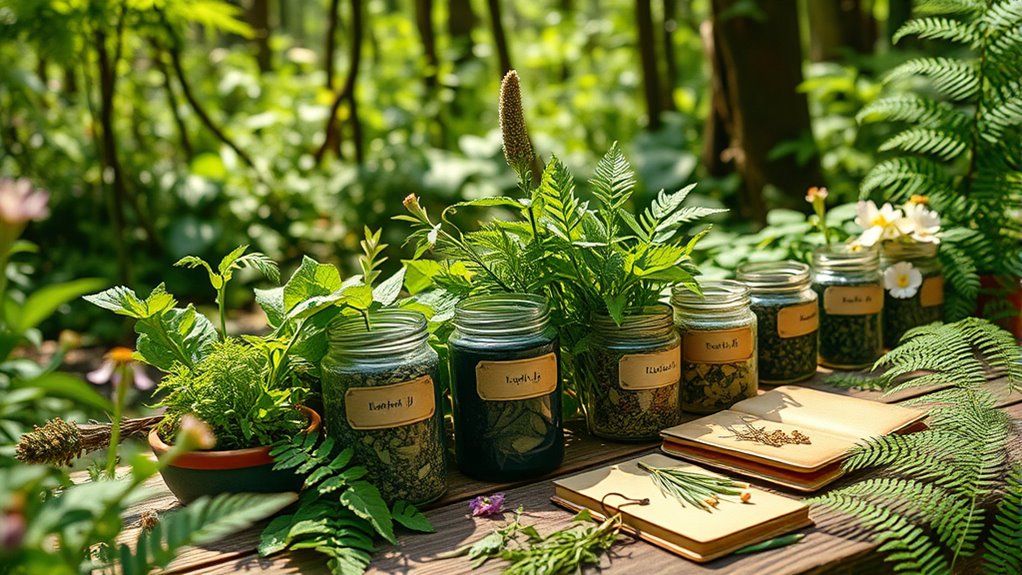
Understanding the importance of ethical sourcing in herbalism is essential because the way herbs are obtained directly impacts both the environment and the communities involved. When you prioritize ethical sourcing, you’re ensuring that herbs are harvested sustainably, minimizing environmental damage and preserving plant populations. This approach also respects the rights and livelihoods of local harvesters and indigenous communities, who often rely on these plants for their income and cultural practices. By choosing suppliers committed to ethical standards, you help prevent exploitation and encourage fair trade practices. Ethical sourcing promotes transparency, accountability, and conservation efforts, which ultimately sustain herbal medicine’s future. Your choices influence not just the quality of your herbs but also the health of ecosystems and communities worldwide.

Wildcraft! Cooperative Board Game, Learn 25 Herbs, Family Game for Kids 4+
- Learn 25 Herbs: Discover edible and medicinal plants
- Suitable for Kids 4+: No reading required for gameplay
- Educational and Fun: Easy mechanics with visual cues
As an affiliate, we earn on qualifying purchases.
As an affiliate, we earn on qualifying purchases.
The Impact of Overharvesting on Plant Populations
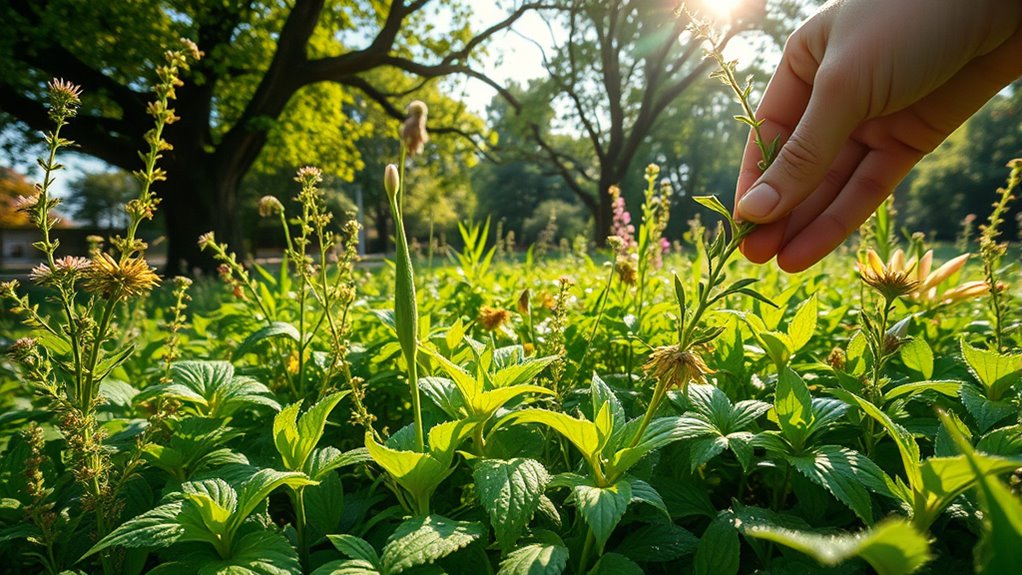
Overharvesting can quickly reduce wild plant populations, making it harder for species to survive and reproduce. By adopting sustainable harvesting practices, you can help protect these crucial resources for future generations. Conservation and regeneration efforts are essential to restore and maintain healthy plant populations in the wild.
Sustainable Harvesting Practices
When harvesting herbs excessively or indiscriminately, plant populations can quickly decline, disrupting local ecosystems and threatening the very species that herbalists rely on. To practice sustainability, you should:
- Prioritize wild plants that are abundant and resilient, avoiding rare or endangered species.
- Harvest only part of the plant, leaving enough for regeneration and future growth.
- Rotate harvesting locations to prevent overexploiting a single area.
- Collect during ideal seasons to ensure plants are healthy and capable of replenishing.
Implementing these strategies helps maintain healthy plant populations, preserves biodiversity, and supports the long-term availability of herbal resources. Sustainable harvesting isn’t just ethical; it’s essential for the future of herbal medicine.
Conservation and Regeneration Efforts
Excessive harvesting can cause significant harm to plant populations, undermining their ability to regenerate and thrive. When you remove too many plants or roots, you disrupt natural growth cycles and reduce genetic diversity. Overharvesting often leads to the decline of wild populations, threatening species with extinction. Conservation efforts aim to protect these vulnerable plants through legal regulations, protected areas, and cultivation initiatives. Regeneration projects focus on restoring depleted habitats and planting sustainable sources of medicinal plants. You can support these efforts by sourcing herbs responsibly, choosing cultivated options, and advocating for policies that prioritize ecological health. Sustainable practices help ensure plant populations remain resilient, safeguarding the future of herbal medicine and maintaining biodiversity for generations to come.
herbal certifications and traceability tools
As an affiliate, we earn on qualifying purchases.
As an affiliate, we earn on qualifying purchases.
Supporting Sustainable Cultivation and Wildcrafting Practices
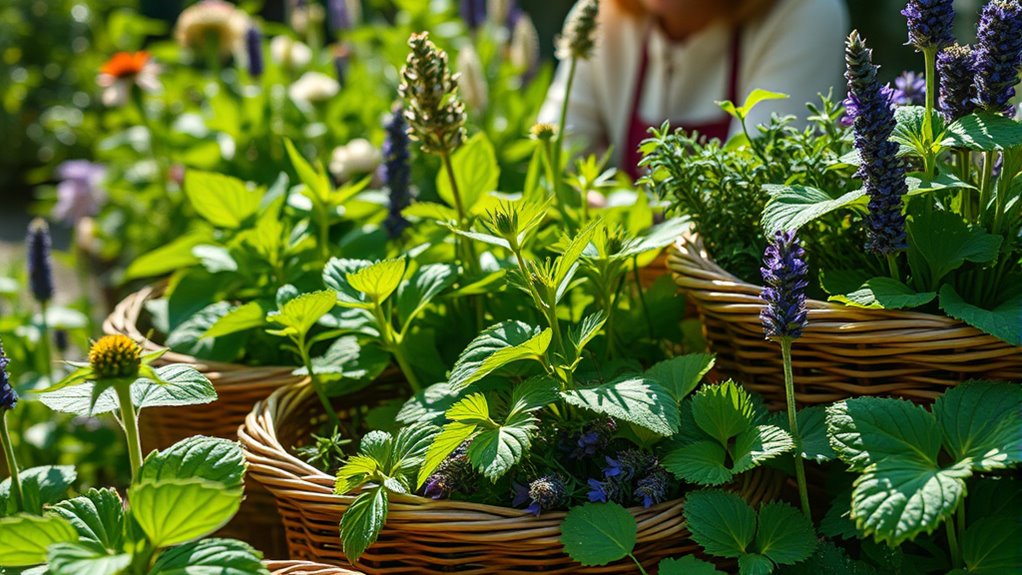
Supporting sustainable cultivation and wildcrafting practices is essential for preserving herbal resources for future generations. You can contribute by choosing ethically harvested herbs and supporting growers committed to sustainability. To guarantee responsible practices, consider these steps:
- Prioritize wildcrafting only when necessary, and harvest sustainably without damaging ecosystems.
- Support farms that use organic and regenerative methods to improve soil health and biodiversity.
- Educate yourself about proper harvesting techniques to avoid overharvesting and ensure plant regeneration.
- Advocate for local sourcing, reducing transportation impact and encouraging community-based practices.

A Comprehensive Guide-Book to Natural, Hygienic and Humane Diet
As an affiliate, we earn on qualifying purchases.
As an affiliate, we earn on qualifying purchases.
The Role of Fair Trade in Herbal Supply Chains
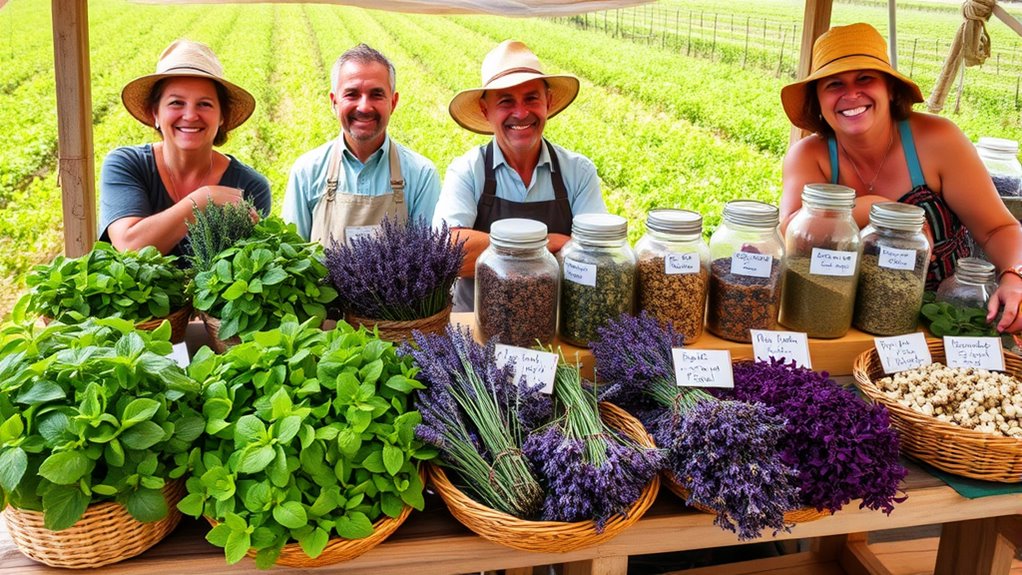
Have you ever wondered how fair trade practices influence the herbal supply chain? Fair trade ensures that farmers and harvesters receive equitable wages and work under safe conditions. When you choose products certified as fair trade, you support communities that rely on harvesting herbs sustainably. This creates a more transparent supply chain, reducing exploitation and environmental harm. Fair trade also encourages farmers to adopt better cultivation methods, preserving biodiversity and soil health. By prioritizing fair trade, you help establish long-term relationships that promote economic stability and social justice. Your conscious purchasing power drives herbal companies to prioritize ethical sourcing, ultimately fostering a more sustainable and responsible herbal industry. Fair trade isn’t just a certification; it’s a commitment to fairness, sustainability, and respect throughout the supply chain.
Recognizing and Avoiding Endangered and Protected Species
How can you tell if an herbal product contains ingredients from endangered or protected species? First, check the label for transparency and detailed ingredient lists. Second, research the plant’s conservation status through reputable sources like CITES or IUCN. Third, ask suppliers about their sourcing practices to ensure ethical harvesting. Fourth, look for certifications such as FairWild or organic labels that indicate responsible sourcing. By staying informed and asking questions, you avoid supporting practices that threaten plant populations. Recognizing these signs helps you make ethical choices and protect vulnerable species. Always prioritize products that are sustainably sourced and avoid those with vague or suspicious origins. Being vigilant guarantees your herbal use promotes conservation and respects biodiversity.
Environmental Considerations in Herb Harvesting Methods
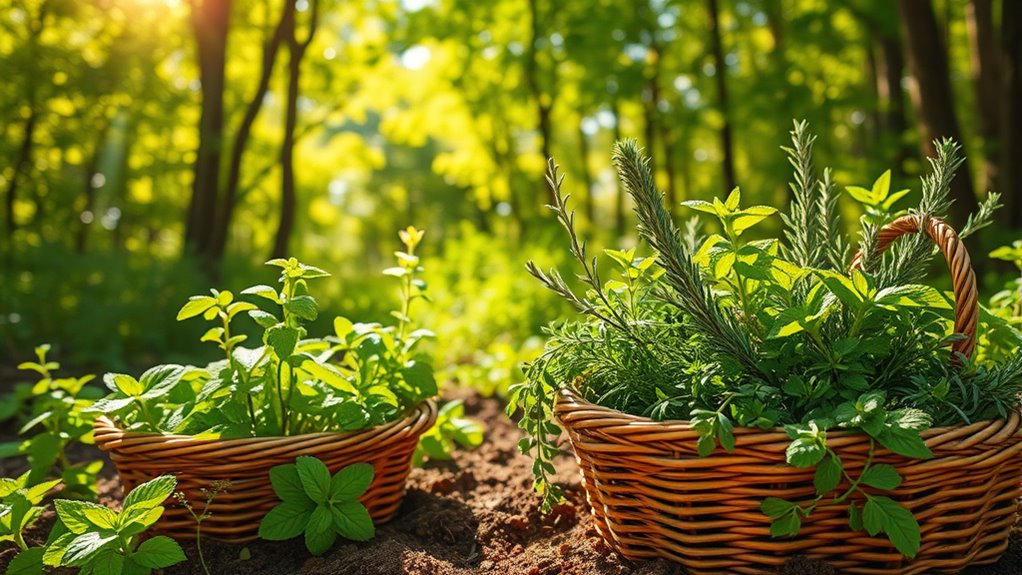
When harvesting herbs, you need to take into account wild practices that can harm ecosystems if not done responsibly. Growing herbs in cultivation or gardens offers a sustainable alternative that reduces environmental impact. By choosing mindful harvesting methods, you help protect natural habitats and promote healthier ecosystems.
Wild Harvesting Practices
Wild harvesting practices demand careful attention to environmental impact, as unsustainable methods can threaten plant populations and ecosystems. To guarantee responsible harvesting, you should:
- Identify sustainable harvest levels that allow plants to regenerate naturally.
- Avoid uprooting entire plants; instead, selectively harvest leaves, flowers, or stems.
- Respect seasonal cycles by harvesting at appropriate times to minimize disruption.
- Limit the number of plants collected from a single area to prevent local depletion.
Cultivation and Garden Grown
Cultivating herbs in gardens offers a sustainable alternative to wild harvesting, reducing pressure on wild populations and ecosystems. When you grow herbs yourself, you control how and when they’re harvested, ensuring they’re not overexploited. Garden cultivation minimizes habitat disturbance and preserves biodiversity by avoiding the need to forage in sensitive or protected areas. It also allows you to select eco-friendly practices, such as organic gardening, which reduces chemical runoff and soil contamination. Additionally, growing herbs locally cuts down on transportation emissions, lowering your overall carbon footprint. By prioritizing garden cultivation, you support environmental health and ensure a reliable, ethical source of medicinal plants. This approach promotes conservation and fosters a deeper connection to sustainable herbal practices.
Building Relationships With Responsible Herbal Suppliers
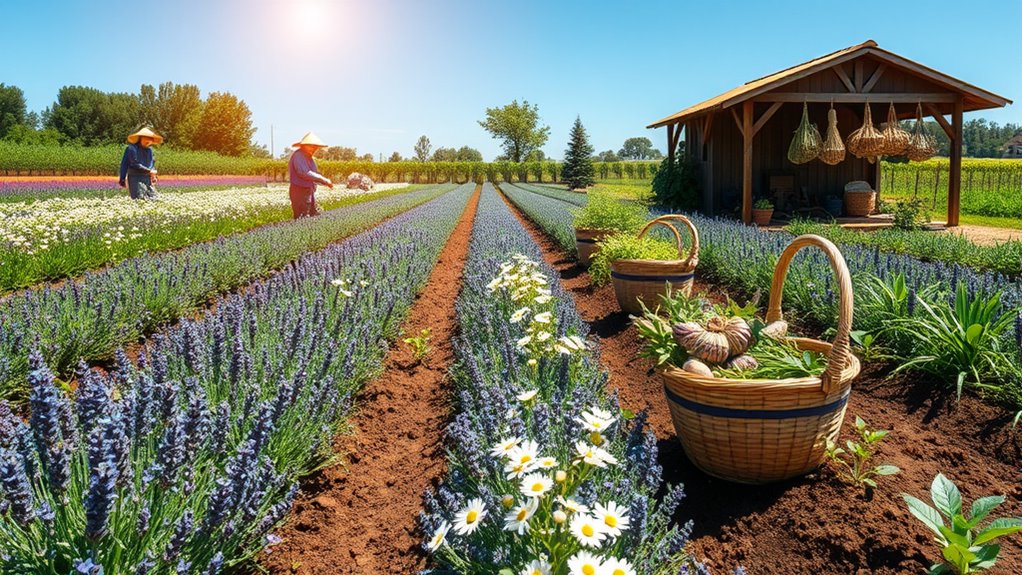
Building strong relationships with responsible herbal suppliers is essential for guaranteeing the quality and ethics of your herbal products. You want to work with suppliers who prioritize sustainability and fair practices. To do this effectively:
- Research suppliers who adhere to ethical harvesting and cultivation standards.
- Visit farms or facilities when possible to verify practices firsthand.
- Communicate your values clearly, emphasizing sustainability and quality.
- Establish ongoing relationships to ensure transparency and accountability.
Educating Consumers About Ethical Herbal Choices
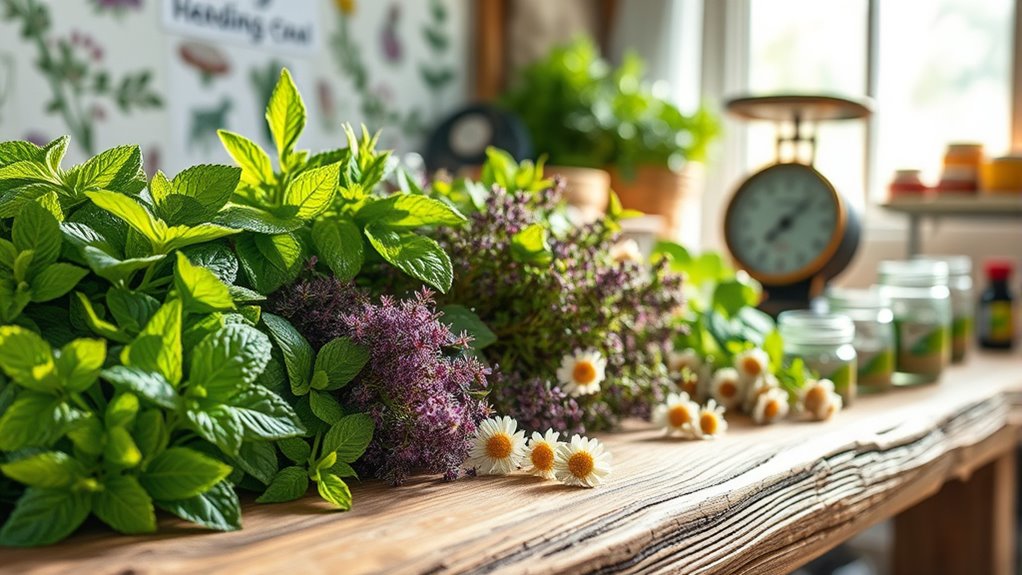
Once you’ve chosen responsible herbal suppliers, the next step is helping consumers understand why ethical choices matter. You can do this by sharing stories about sustainable harvesting and fair trade practices, making the issues relatable. Provide clear information about how sourcing impacts local communities, plant populations, and the environment. Use labels, educational materials, and social media to highlight the benefits of choosing ethically sourced herbs. Encourage consumers to ask questions and seek transparency from brands. Empower them to see their purchases as a way to support conservation and fair labor. By educating your audience, you foster mindful consumption and reinforce the importance of ethical herbalism, ensuring that their choices contribute positively to the planet and local communities.
The Future of Herbal Ethics and Sustainable Practices

As awareness of environmental and social issues continues to grow, the future of herbal ethics hinges on innovative sustainable practices and technology. You’ll see more herbalists adopting responsible sourcing methods that prioritize local, organic, and regenerative farming. Advances in technology will enable better tracking of plant origins, ensuring transparency and accountability. You can expect increased collaboration between practitioners, farmers, and researchers to develop sustainable cultivation techniques. Additionally, consumer education will play a crucial role in promoting ethical choices. Here are four key trends shaping the future:
Growing awareness drives herbalists toward sustainable sourcing, technological transparency, collaborative efforts, and consumer education for ethical herbal practices.
- Adoption of eco-friendly harvesting and cultivation methods
- Use of blockchain for supply chain transparency
- Expansion of community-supported and fair-trade herbal projects
- Integration of traditional knowledge with modern sustainability efforts
Frequently Asked Questions
How Can Consumers Verify the Ethical Standards of Herbal Products?
You can verify the ethical standards of herbal products by checking for certifications like USDA Organic or Fair Trade, which guarantee responsible sourcing. Research brands that openly share their sourcing practices and sustainability efforts. Look for third-party testing and transparent labels that specify origin and ethical practices. Supporting local and small-scale producers often guarantees better ethical standards. Always ask questions or contact companies directly for more detailed information to make informed choices.
What Certifications Indicate Sustainable and Ethically Sourced Herbs?
You should look for certifications like USDA Organic, Fair Trade, and Rainforest Alliance, which indicate sustainable and ethically sourced herbs. These labels guarantee that the products meet specific environmental and labor standards. Always check the packaging for these certifications, and do some research on the certifying organizations to confirm their credibility. Choosing products with these marks helps support responsible harvesting practices and promotes environmental conservation.
How Do Herbalists Balance Tradition With Modern Sustainability Practices?
Balancing tradition with modern sustainability practices is like walking a tightrope. You honor age-old herbal knowledge while embracing eco-friendly methods, such as organic farming and ethical wildcrafting. You stay informed about conservation efforts and choose sustainably sourced herbs. By blending traditional wisdom with current sustainability standards, you guarantee herbal medicine remains both effective and environmentally responsible, securing its future for generations to come.
Are There Specific Regions Known for Responsible Herbal Harvesting?
Yes, you’ll find responsible herbal harvesting in regions like the Pacific Northwest, where sustainable practices are prioritized, and in parts of South America, such as the Andes, which focus on conservation. These areas often have strict regulations and indigenous communities that protect native plants. By sourcing herbs locally and supporting ethical farms, you help safeguard ecosystems and make certain that herbal medicine remains sustainable for future generations.
What Role Do Legislation and Policies Play in Herbal Ethics?
Legislation and policies act like the backbone of responsible herbal practices, guiding you to harvest ethically and sustainably. They set clear standards, much like a compass pointing true north, ensuring herbalists respect endangered species and local ecosystems. By adhering to these laws, you protect both the plants and the communities that rely on them, making sure herbalism remains a gift to future generations rather than a burden.
Conclusion
By choosing ethically sourced herbs, you can be a true hero for our planet’s most precious plants—saving them from the brink of extinction. Your mindful decisions ripple through the herbal world, ensuring future generations inherit a lush, vibrant Earth. Every small step you take toward sustainability has the power to transform the industry into a shining beacon of hope. Together, we can make herbal ethics a force more powerful than any storm.
Back to school Picks
back to school
As an affiliate, we earn on qualifying purchases.