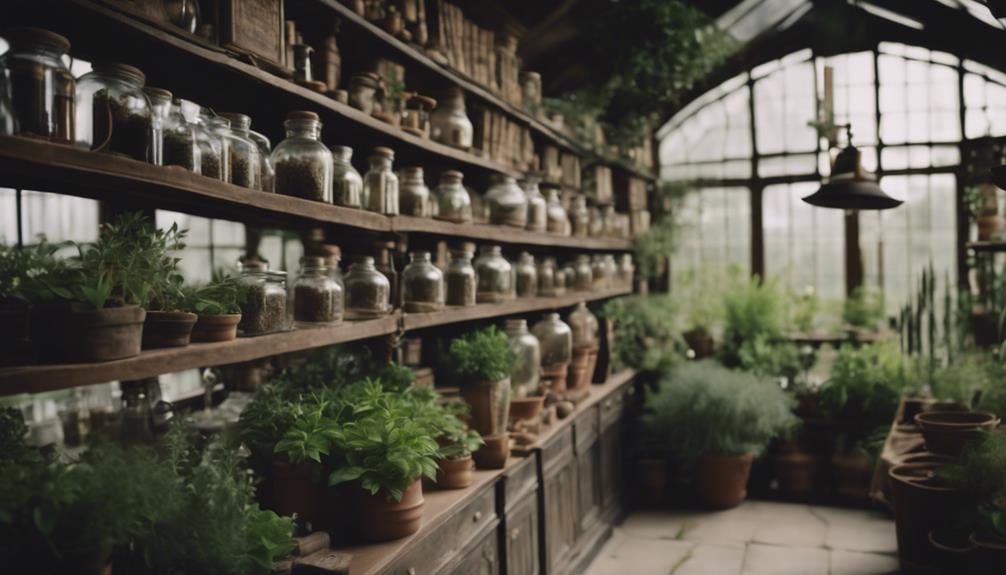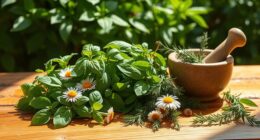
Many weeds in your backyard are powerful medicinal plants that can boost your health. Dandelions, plantain, chickweed, and clover offer nutrients and healing properties, while burdock, red clover, and nettle support detoxification and hormonal balance. These plants are easy to identify and harvest, often from your own lawn or nearby fields. Incorporating these weeds into your diet and remedies can improve your well-being—keep exploring to discover how to incorporate them safely.
Key Takeaways
- Many common backyard plants like dandelions, plantain, and chickweed have medicinal and nutritional benefits.
- These plants can be safely harvested and used in teas, poultices, or added to meals for natural healing.
- Proper identification, harvesting techniques, and moderation are essential for safe and effective use.
- Some weeds support detoxification, boost immunity, and help balance hormones naturally.
- Always consult healthcare professionals before using wild plants for medicinal purposes or during pregnancy.
Dandelions: The Versatile Medicinal Herb
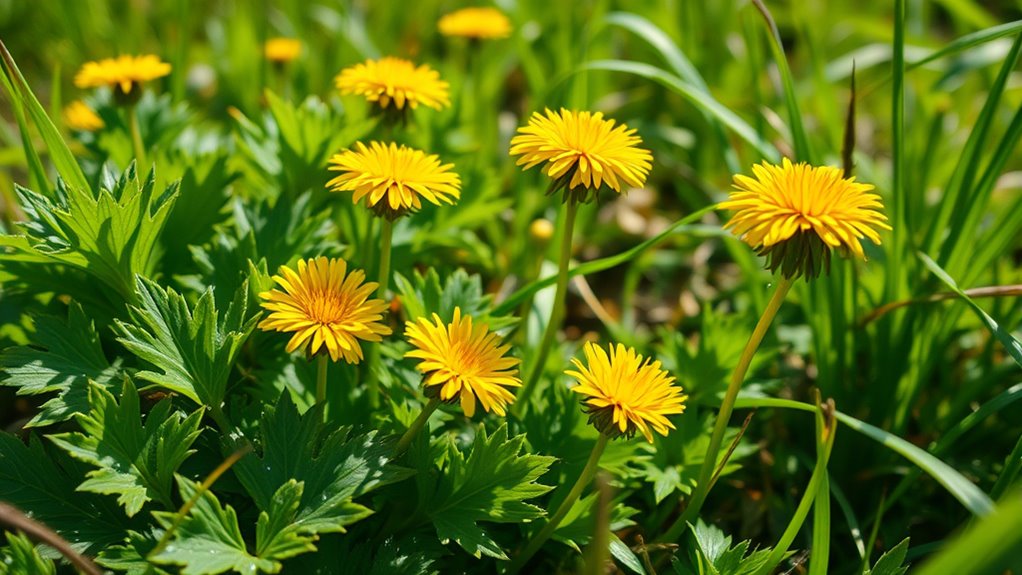
Dandelions are more than just pesky weeds; they’re a powerful medicinal herb with a long history of use. You can tap into their benefits by using the entire plant—roots, leaves, and flowers. The leaves are rich in vitamins A, C, and K, making them great for boosting your immune system and improving digestion. The roots have detoxifying properties, supporting liver health and aiding in digestion. Dandelion flowers are often used to make teas and tinctures that can help reduce inflammation and promote skin health. Because these plants are easily accessible and grow wild in many yards, you can gather them yourself. Incorporating dandelions into your herbal remedies allows you to harness their natural healing power without relying on processed medications.
Plantain: Nature’s First Aid Plant
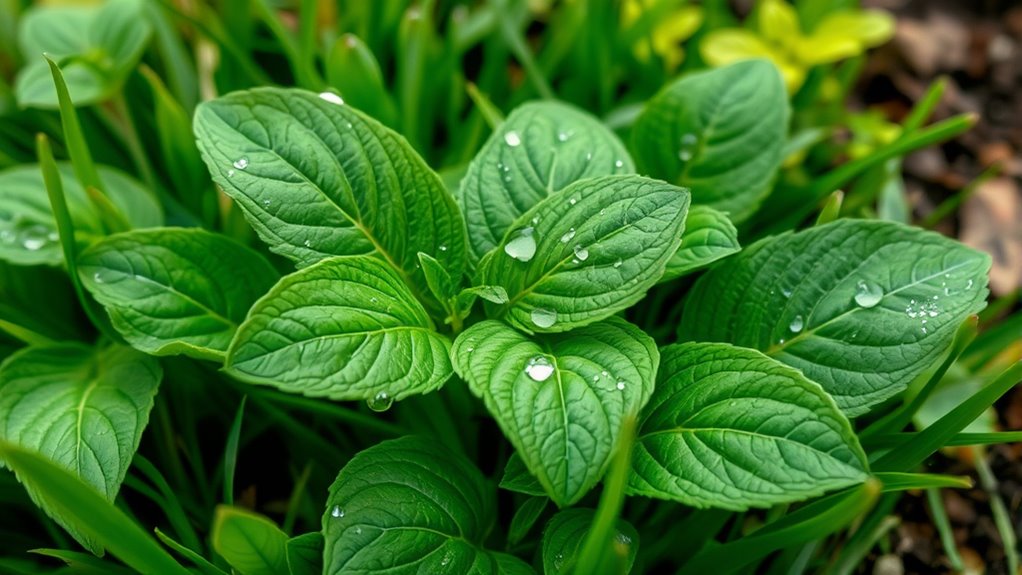
Have you ever needed a quick remedy for cuts, bites, or skin irritations? Plantain is your go-to plant for immediate relief. This common weed has leaves packed with soothing compounds that help reduce inflammation and speed healing. You can crush fresh leaves and apply them directly to the skin or make a simple poultice. Its natural antiseptic properties help prevent infection, making it a versatile first aid herb. Plantain’s leaves are easy to identify, with broad, oval shapes and prominent veins. It thrives in lawns, sidewalks, and disturbed areas, so you’re likely to find it nearby. Keep some on hand for emergencies or whenever you need a gentle, effective remedy. It’s nature’s quick, accessible first aid kit.
- Soothes skin and reduces swelling
- Acts as an antiseptic to prevent infection
- Easy to identify and harvest
- Provides fast relief for cuts and bites
Chickweed: A Gentle Remedy for Skin Issues

Just as plantain offers quick relief for skin irritations, chickweed provides a gentle, natural remedy for a variety of skin issues. You can apply fresh chickweed leaves directly to cuts, rashes, or insect bites to soothe inflammation and promote healing. Its anti-inflammatory and cooling properties reduce redness and irritation, making it effective for eczema and dermatitis. You might also make a simple poultice or extract to calm itchy skin. Chickweed is rich in vitamins and minerals that support skin repair and hydration. It’s safe for all ages and works well as a gentle, everyday remedy. Whether you’re dealing with minor wounds or persistent skin conditions, incorporating chickweed into your natural first aid kit can help you heal with minimal effort and no harsh chemicals.
Burdock Root: A Blood Purifier and Detoxifier
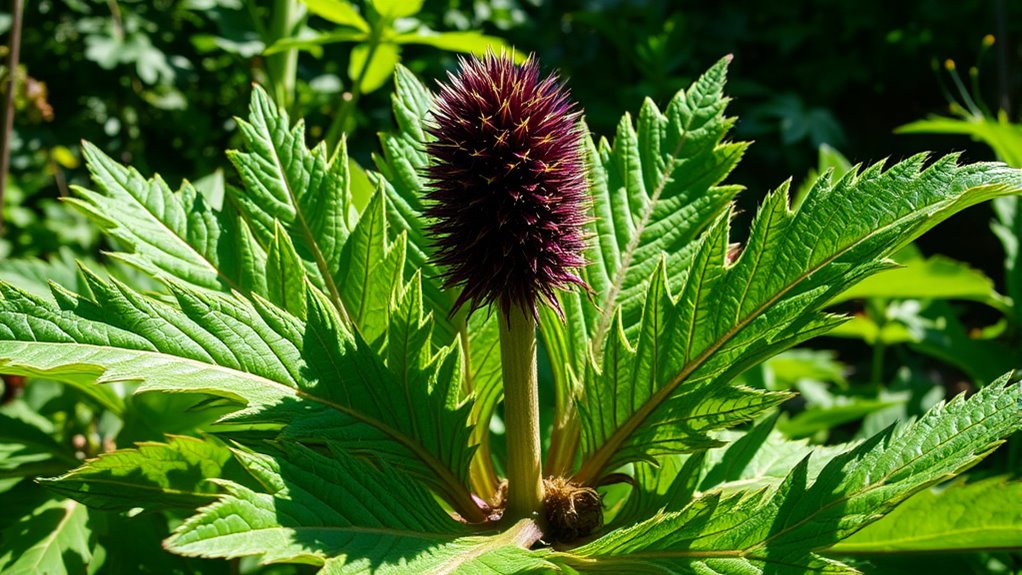
Burdock root is known for naturally purifying your blood and helping your body eliminate toxins. It supports your liver, making it easier for your system to process waste. Incorporating it into your routine can boost your overall detox efforts.
Purifying Blood Naturally
When it comes to naturally cleansing your blood, burdock root stands out as a powerful remedy. It helps remove toxins and supports your body’s natural detox processes. By increasing circulation and encouraging the elimination of impurities, burdock root promotes healthier, clearer skin and improved overall wellness. Incorporating it into your routine can enhance your body’s ability to filter out waste products efficiently. To maximize its benefits, you can make a tea or add the root to soups and broths. Consistent use may help reduce inflammation and clear up skin issues caused by toxins. Remember, natural blood purification is a gradual process, and combining burdock root with a healthy diet amplifies its effects.
- Supports toxin elimination
- Enhances skin clarity
- Boosts circulation
- Reduces inflammation
Supporting Liver Function
Building on its blood-purifying properties, burdock root also plays an essential role in supporting liver health. It helps detoxify your liver by promoting bile flow, which is fundamental for breaking down fats and eliminating toxins. The root contains antioxidants that reduce oxidative stress and protect liver cells from damage. Regularly including burdock root in your diet can enhance your body’s natural detox processes, making it easier for your liver to filter out harmful substances. Its anti-inflammatory compounds also soothe liver tissues, supporting overall liver function. By strengthening this key organ, burdock root not only boosts your energy levels but also improves digestion and immunity. Incorporate it into teas, soups, or tinctures to reap its liver-supporting benefits naturally.
Clover: More Than Just a Lawn Cover

Clover offers impressive nutritional benefits and can be a natural remedy for various ailments. You can use it in teas, salves, or salads, but it’s important to harvest it safely to avoid contamination. Learning how to identify and prepare clover properly guarantees you get its full medicinal potential.
Nutritional Benefits of Clover
Many people overlook the nutritional value of clover, but it’s actually packed with beneficial nutrients. This humble plant offers a rich source of vitamins, minerals, and proteins that can boost your health. Incorporating clover into your diet is easy—add young leaves to salads, smoothies, or soups for extra nutrition. Clover is especially high in vitamin C, calcium, and iron, supporting immune function, bone health, and energy levels. Its protein content makes it a valuable plant-based option for vegetarians. Plus, the antioxidants found in clover can help fight free radicals and reduce inflammation. By recognizing its nutritional benefits, you can turn a common yard weed into a nutritious addition to your meals. Don’t underestimate this versatile plant—it’s a natural, accessible superfood.
Medicinal Uses and Remedies
Did you know that clover has been used for centuries in traditional medicine to treat various ailments? Its leaves and flowers contain compounds known for their anti-inflammatory, antimicrobial, and antioxidant properties. You can use fresh or dried clover to make teas, infusions, or poultices. Drinking clover tea may help alleviate coughs, colds, and congestion, while applying a poultice of crushed leaves can soothe skin irritations and wounds. Some cultures use clover to support detoxification and improve circulation. Its gentle properties make it suitable for internal and external use. Remember, however, that medicinal plants should complement, not replace, professional medical advice. With proper preparation, you can harness clover’s healing potential right from your backyard to boost your well-being naturally.
How to Harvest Safely
Harvesting clover safely guarantees you gain its medicinal benefits without risking contamination or overharvesting. First, always identify the correct type of clover—white or red—and ensure it’s free from pesticides or pollutants. Use clean scissors or pruning shears to clip only healthy, vibrant leaves and flowers, avoiding old or damaged parts. Harvest during the early morning when the plants are freshest and most potent. Be mindful not to take more than one-third of the plant to prevent damaging the root system and allowing it to regrow. Store your harvest in a clean, dry container, and process it promptly to preserve potency.
- Identify contaminant-free plants before harvesting
- Use clean tools to prevent infection
- Harvest early in the day for maximum potency
- Limit your harvest to ensure plant health
Nettle: a Nutrient-Rich Plant With Healing Power
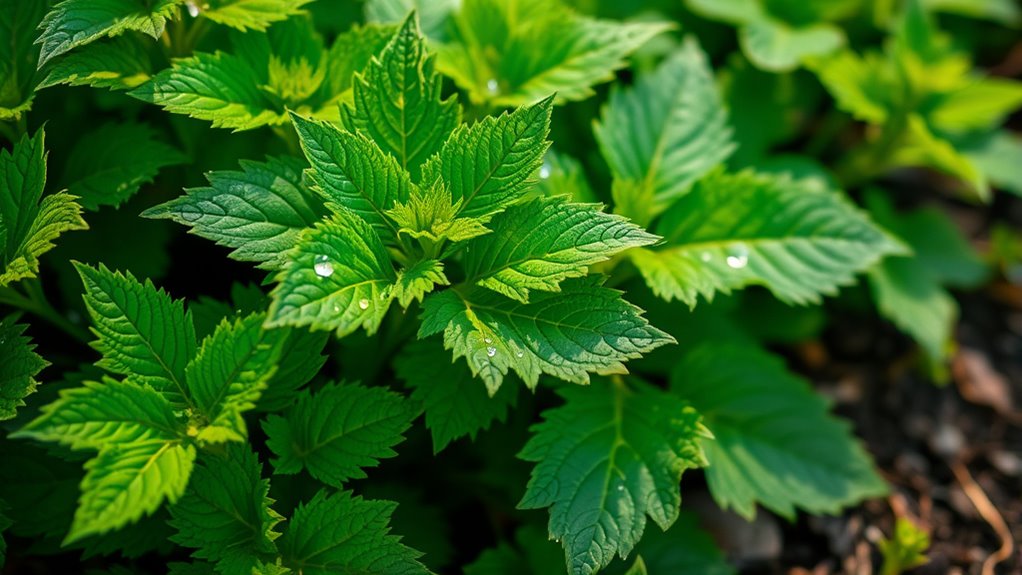
Nettle is a powerhouse among medicinal herbs, packed with nutrients that support your health. It’s rich in vitamins A, C, and K, as well as minerals like iron, calcium, and magnesium, making it excellent for boosting your immune system, improving circulation, and strengthening bones. When harvested correctly, you can enjoy its benefits through teas, soups, or smoothies. Be cautious with fresh leaves, as they have tiny hairs that can cause skin irritation; wearing gloves helps. Nettle’s healing power extends beyond nutrition—it’s known for reducing inflammation and alleviating allergies. Incorporate it into your diet regularly to harness its full potential. This versatile plant is a natural remedy waiting in your backyard, ready to enhance your well-being in simple, effective ways.
Wood Sorrel: A Refreshing Source of Vitamins
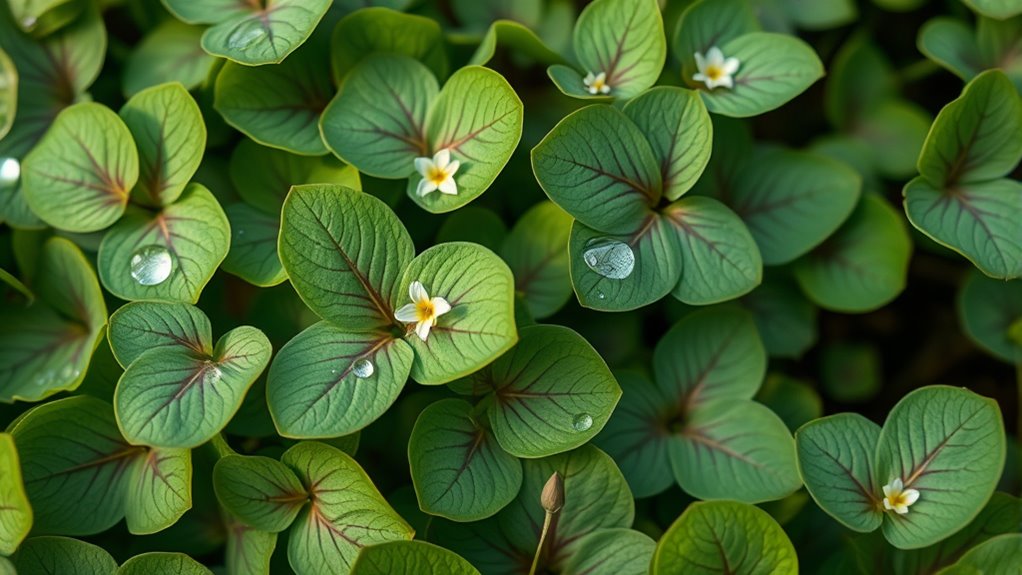
Wood sorrel is a delightful wild plant that offers a crisp, tangy flavor and a rich source of essential vitamins. You can easily incorporate its leaves into salads, sandwiches, or as a garnish to enjoy its invigorating taste. This plant is packed with vitamin C, which supports your immune system, and contains small amounts of vitamins A and B-complex. Its bright, lemony flavor makes it a great addition to various dishes, adding both nutrition and zest. Plus, harvesting wood sorrel is simple—just pick the fresh leaves from your backyard or wild areas. Regular consumption can boost your vitamin intake naturally. Keep in mind, though, to consume in moderation to avoid any potential side effects. It’s a tasty, healthy, and easy-to-find wild edible for your natural medicine cabinet.
- Rich in vitamin C for immune support
- Adds zest to salads and dishes
- Easy to harvest from your backyard
- Supports overall nutritional intake
Yellow Dock: Supporting Liver and Digestive Health
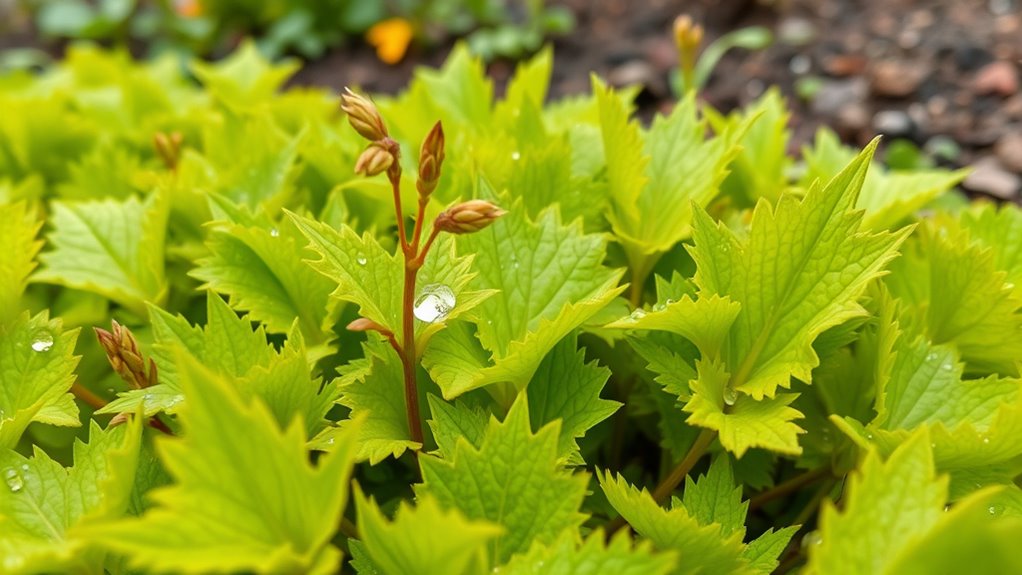
Yellow dock is a versatile wild plant known for its ability to support liver detoxification and improve digestive health. Its leaves and roots contain compounds that stimulate bile production, helping your liver process toxins more efficiently. This plant also acts as a gentle laxative, easing constipation and promoting regularity. The high mineral content, especially iron and magnesium, helps nourish your digestive system and boost energy levels. You can incorporate yellow dock leaves into salads or steep the roots as a tea for a detoxifying drink. By supporting your liver and promoting healthy digestion, yellow dock can help you feel more energized and balanced. Keep in mind, though, to consume in moderation and consult a healthcare professional if you’re pregnant or on medication.
Red Clover: A Natural Hormone Balancer
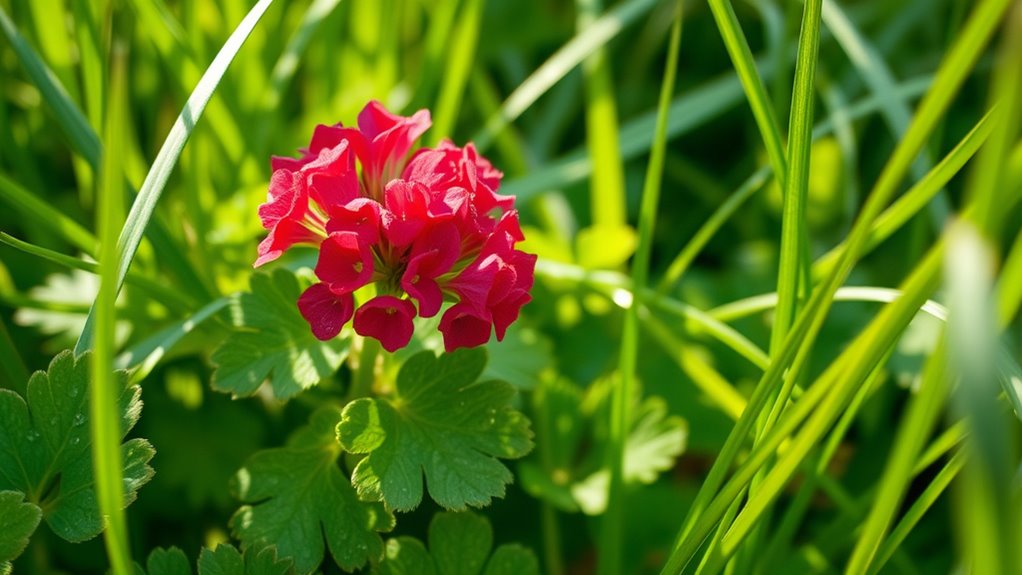
Red clover is celebrated as a natural remedy for balancing hormones, especially during times of hormonal fluctuations. It contains isoflavones that mimic estrogen, helping to regulate hormonal levels naturally. You might find red clover useful during menopause, PMS, or thyroid imbalances. Its gentle influence supports hormonal harmony without synthetic drugs. Incorporating red clover into your routine can ease symptoms like hot flashes, mood swings, and irregular cycles. You can consume it as a tea, tincture, or supplement. Regular use may promote overall hormonal stability and reduce discomfort caused by hormonal dips. Remember to consult a healthcare provider before adding it to your regimen, especially if you’re on medication. Red clover’s natural approach offers a simple way to support your body’s hormonal balance.
- Contains estrogen-mimicking compounds
- Eases menopausal symptoms
- Supports menstrual regularity
- Can be used as tea or supplement
Frequently Asked Questions
Can These Medicinal Weeds Be Safely Consumed Raw or Do They Require Preparation?
You can often safely consume medicinal weeds raw, but it’s best to identify each plant accurately first. Some weeds, like dandelion greens or chickweed, are tasty and nutritious when eaten raw, while others may require preparation to reduce bitterness or remove irritants. Always wash thoroughly and start with small amounts to test for reactions. When in doubt, consult a reliable guide or expert to guarantee safe consumption.
Are There Any Side Effects or Contraindications for Using These Plants Medicinally?
Yes, there are potential side effects and contraindications when using medicinal plants. You might experience allergic reactions, stomach upset, or interact negatively with medications. Always start with small doses and consult a healthcare professional before use, especially if you’re pregnant, nursing, or on medication. Never consume any plant without proper identification and knowledge of its effects. Your safety depends on responsible, informed use of these natural remedies.
How Can I Identify These Plants Accurately in My Backyard?
You might stumble upon these plants unexpectedly, but to identify them accurately, pay close attention to leaf shapes, flower colors, and growth patterns. Use a reliable plant identification app or field guide, and compare your finds carefully. Observe details like stem texture and smell. Always cross-reference with multiple sources. Remember, even familiar-looking plants can be tricky—when in doubt, consult a local expert or botanist before using them medicinally.
What Are the Best Times of Year to Harvest These Medicinal Weeds?
You should harvest medicinal weeds during their peak growth, usually in late spring and early summer when they’re most potent. For some plants, like dandelions, late spring is ideal, while others, like nettles, are best in early spring or fall. Keep an eye on flowering stages and avoid harvesting during extreme heat or drought, as this can diminish their medicinal properties. Always harvest sustainably to ensure healthy regrowth.
Can These Plants Be Used to Treat Specific Health Conditions or Are They General Remedies?
You can absolutely use these plants to treat specific health conditions. For example, dandelion helps with digestion, while plantain can soothe skin irritations. However, it is crucial to know the right plant and preparation method for each condition. Do your research or consult a professional to ensure you’re using them safely and effectively. Remember, even natural remedies can have side effects if misused.
Conclusion
Your backyard is like a treasure trove of healing wonders just waiting to be discovered. These medicinal weeds are nature’s hidden gems, ready to boost your health with a touch of green magic. By learning to recognize and use them, you’re opening the door to a garden of natural remedies. Think of these plants as tiny pharmacists, quietly working their healing charms—right outside your door, if you just know where to look.