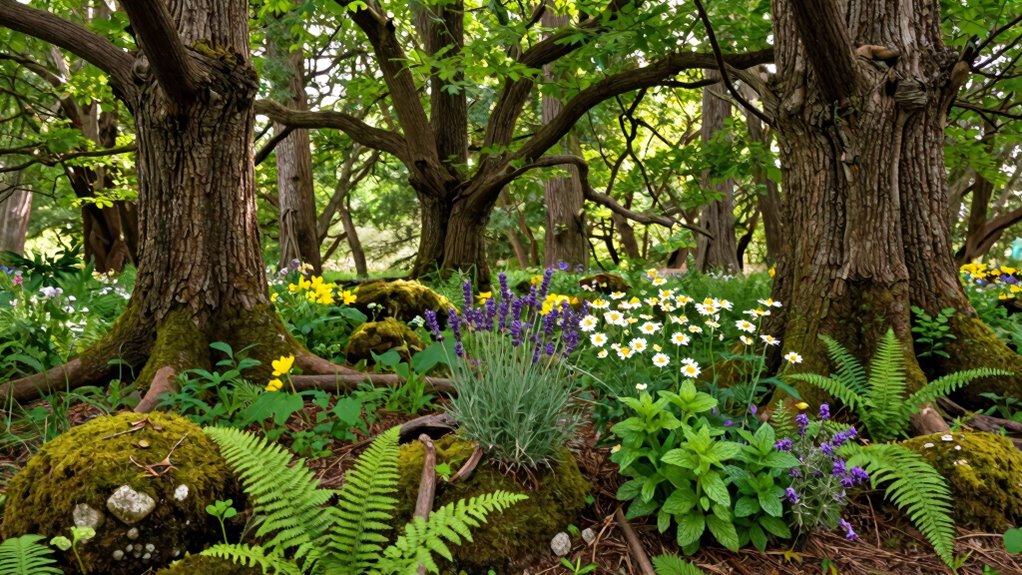

Plants have become trusted healers across cultures because people have observed their effects over generations, combining practical use with spiritual significance. Traditional knowledge, passed orally, shows a deep understanding of how plants support health and spirituality. Many plants are sacred, symbolizing resilience and connection to the divine. Their proven healing abilities, cultural importance, and environmental ties have cemented their role. If you explore further, you’ll discover more about how these natural remedies continue to influence healing practices worldwide.

Get oils, diffusers and self-care delivered free with Prime
- Fast, free delivery on millions of items
- Prime Video, Amazon Music and more included
- Member-only deals all year
Key Takeaways
- Plants have been observed and tested over generations, establishing their proven medicinal efficacy.
- Cultural stories, rituals, and spiritual beliefs elevate plants beyond mere resources.
- Indigenous knowledge about local flora fosters trust in plants as natural healers.
- Plants symbolize health, resilience, and spiritual connection within diverse cultural contexts.
- Their accessibility and longstanding use reinforce their role as trusted, reliable remedies.
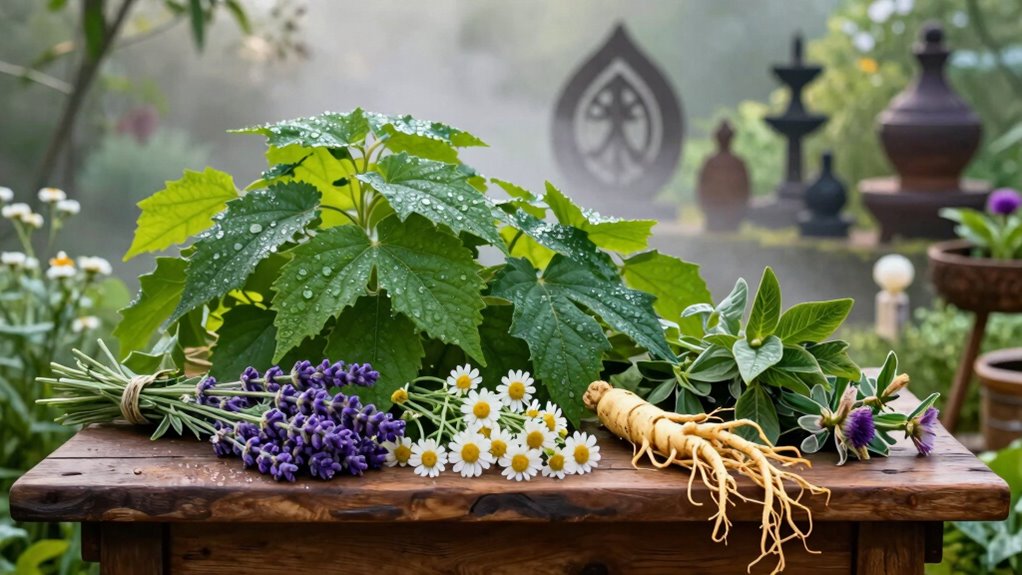
Throughout history, plants have served as trusted healers across diverse cultures, offering remedies rooted in tradition and observation. You might find yourself amazed at how many of today’s medicines trace back to nature’s pharmacy. Cultures around the world have long recognized the medicinal properties of plants, developing extensive knowledge about which herbs and roots can soothe ailments, boost immunity, or ease pain. You can see that this accumulated wisdom is a testament to the importance of traditional medicinal knowledge passed down through generations. This profound understanding often grew from careful observation and trial, turning simple plants into essential components of healing practices. Over time, these remedies gained not only practical value but also cultural significance, symbolizing health, spirituality, and community identity.
Plants have been essential healers, shaping cultures through their medicinal, spiritual, and cultural significance across generations.
You may notice that many traditional practices emphasize the spiritual and cultural importance of plants, viewing them as more than just medicine. For example, some cultures see certain plants as sacred, believing they possess divine qualities that connect humans to nature or the divine domain. This cultural significance is intertwined with medicinal properties, making plants a bridge between physical healing and spiritual well-being. When you explore traditional medicine, it’s clear that the use of plants isn’t solely about chemical compounds; it’s also about stories, rituals, and beliefs handed down through generations. These cultural narratives elevate plants from mere resources to symbols of health and resilience.
You’ll also observe that plants’ medicinal properties are often specific to the environment where they grow. Indigenous communities, for example, have developed extensive knowledge about local flora, recognizing which plants can treat specific ailments. This localized expertise has been passed down orally, shaping cultural identities and connecting communities to their natural surroundings. Such knowledge is often considered a form of cultural heritage, emphasizing the deep connection between people and their environment. Recognizing the environmental adaptation of medicinal plants highlights how their properties are closely tied to their native habitats. This local botanical knowledge is crucial for the sustainable use and preservation of plant resources, ensuring that traditional healing methods are maintained for future generations. Additionally, understanding the ecological role of medicinal plants fosters greater appreciation for biodiversity and its impact on human health. The understanding of how plants adapt to their environment underscores the importance of preserving biodiversity for medicinal purposes. As you explore different cultures, you realize that this knowledge isn’t just practical—it’s a form of cultural heritage that preserves history and reinforces social bonds. The relationship between people and plants is a proof of how humans have historically relied on nature for survival, healing, and spiritual connection.
Ultimately, the reason plants became trusted healers across cultures lies in their proven efficacy, accessibility, and deep-rooted cultural importance. Their medicinal properties offer tangible benefits, while their presence in rituals and traditions underscores their significance beyond mere physics. You can see that this long-standing trust isn’t accidental; it’s the result of centuries of observation, experimentation, and reverence. When you understand this, it becomes clear that plants have been woven into the fabric of human life as essential healers—both physically and spiritually—across the ages.
As an affiliate, we earn on qualifying purchases.
Frequently Asked Questions
How Did Ancient Cultures Discover Medicinal Properties of Plants?
You discover that ancient cultures identified medicinal properties of plants through observation and experimentation. They noticed how certain plants alleviated ailments, linking botanical classification to healing effects. Cultural symbolism played a role, as sacred plants were believed to possess divine healing powers. Over generations, these insights were passed down, shaping traditional medicine. This mix of empirical evidence and spiritual significance helped establish plants as trusted healers across diverse cultures.
Are Traditional Plant Remedies Scientifically Proven Effective?
Have you ever wondered if traditional plant remedies truly work? Scientific validation shows that many herbal remedies have proven efficacy, supporting their use in modern medicine. Researchers test compounds for herbal efficacy, confirming some plants’ healing properties. While not all remedies are scientifically proven, evidence increasingly backs many traditional practices, highlighting how centuries of knowledge can align with modern science. So, yes, some herbal remedies are scientifically validated, confirming their healing power.
Which Plant Species Are Most Universally Recognized as Healing Agents?
You’ll find that aloe vera, lavender, and chamomile are among the most universally recognized healing plants. These species hold significant herbal classifications and plant symbolism, representing health, peace, and healing in many cultures. Their widespread use stems from their proven properties, making them trusted remedies across diverse traditions. Their natural healing abilities and deep-rooted symbolic meanings help explain why they’re regarded as universal healers.
How Do Cultural Beliefs Influence Plant-Based Healing Practices?
Cultural beliefs act like a tapestry, weaving together symbolism and ritual significance that shape plant-based healing practices. You see, cultural symbolism assigns deep meaning to certain plants, making them revered beyond their physical properties. Ritual significance transforms their use into sacred acts, reinforcing trust. These beliefs create a shared understanding, making plant remedies not just medicine but spiritual connections that resonate deeply within each community’s worldview.
What Challenges Threaten the Preservation of Traditional Medicinal Plants?
You face threats to traditional medicinal plants from overharvesting and habitat destruction. To protect these essential resources, prioritize sustainable harvesting practices that prevent depletion. Support biodiversity conservation efforts to maintain healthy ecosystems, ensuring plants remain available for future generations. By doing so, you help preserve the cultural knowledge and healing practices tied to these plants, safeguarding their medicinal value and cultural significance against environmental and human-induced challenges.
As an affiliate, we earn on qualifying purchases.
Conclusion
Throughout history, plants have served as the universal healers, weaving a tapestry of trust across cultures. Like ancient bridges connecting wisdom and nature, they remind us that healing is rooted in simplicity and tradition. Their enduring presence acts as a gentle reminder that sometimes, the most powerful remedies are found in the quiet, unassuming gifts of the earth. As you continue to explore, remember—plants are nature’s gentle whispers of healing, always waiting to nurture you back to health.
As an affiliate, we earn on qualifying purchases.
As an affiliate, we earn on qualifying purchases.
Halloween Picks
halloween
As an affiliate, we earn on qualifying purchases.