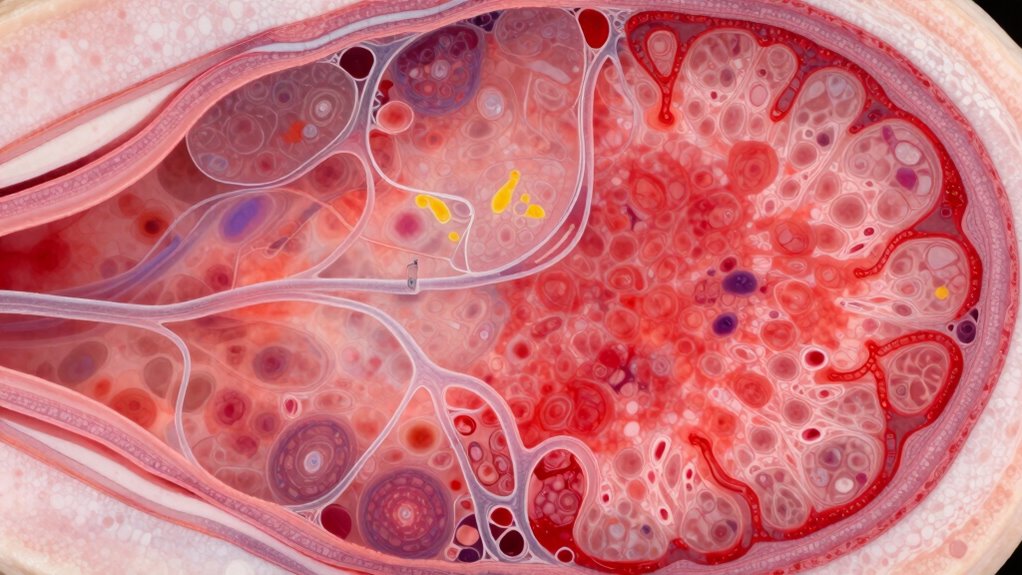

Inflammation is your body’s natural way of fighting injury or infection, causing redness, swelling, and pain to promote healing. But when it becomes chronic, it can lead to ongoing tissue damage and pain, often without clear signs. Lifestyle factors like diet, stress, and sleep markedly influence inflammation levels, making healthier choices essential. Understanding how inflammation works helps you manage your health better. Keep exploring to discover practical ways you can reduce inflammation and improve your well-being.

Get oils, diffusers and self-care delivered free — and shop member deals
- Fast, free delivery on millions of items
- Access to Prime Big Deal Days deals on October 6–7
- Prime Video, Amazon Music and more included
Key Takeaways
- Inflammation is the body’s natural response to injury or infection, essential for healing but potentially harmful if chronic.
- Chronic inflammation involves ongoing, low-grade immune activity that can cause tissue damage and contribute to pain.
- An imbalance in the immune response can lead to autoimmune disorders, where the body attacks its own tissues.
- Lifestyle factors like diet, stress, and sleep significantly influence inflammation levels, impacting overall health.
- Managing inflammation through healthy habits can reduce pain, prevent disease, and promote better long-term well-being.

Have you ever wondered what inflammation really means for your body? It’s an essential process, but one that can sometimes cause confusion. At its core, inflammation is your body’s natural response to injury or infection. When something damages your tissues or pathogens invade, your immune response kicks in to protect you. White blood cells rush to the affected area, releasing chemicals that cause redness, swelling, warmth, and pain—classic signs of inflammation. This response helps isolate harmful agents and promotes healing. However, inflammation isn’t always a sign of something serious; sometimes, your body reacts even when there’s no clear threat, leading to what we call chronic inflammation.
Chronic pain is a common consequence of this persistent, low-grade inflammation. Instead of resolving, the inflammatory response lingers, keeping your nerves and tissues in a constant state of agitation. This ongoing inflammation can wear down your tissues over time, making pain feel more intense and ongoing. It’s especially problematic because it often doesn’t have obvious triggers, and the pain can become a daily struggle. Conditions like arthritis, fibromyalgia, and other autoimmune disorders are connected to this relentless inflammation. When your immune response is out of balance, it can mistakenly attack your own tissues, perpetuating inflammation and pain even when there’s no infection or injury present. This misfiring of the immune response becomes a cycle that’s hard to break without targeted intervention. Recognizing the immune response as a delicate balance is key to understanding how inflammation impacts health.
Understanding inflammation helps you realize how essential it is to manage it properly. When working as intended, inflammation is a protective, healing process. But when it overstays its welcome or turns against your own body, it can cause significant discomfort and health issues. Lifestyle choices play a key role here—diet, stress levels, sleep, and physical activity can either promote healthy inflammation or exacerbate chronic inflammation. Anti-inflammatory foods like fruits, vegetables, and omega-3 rich sources can help keep your immune response balanced. Additionally, understanding the role of systemic inflammation can guide you in making more targeted health decisions. Chronic inflammation can also be influenced by lifestyle factors, which underscores the importance of holistic health management. Recognizing that inflammatory processes involve complex interactions within your immune system can help you appreciate the importance of a balanced approach to health. Conversely, processed foods, excess sugar, and chronic stress tend to fuel inflammation, making symptoms worse. Recognizing the role of chronic inflammation in health conditions helps you make more informed choices about your lifestyle.
Knowing how your immune response works and recognizing the signs of chronic inflammation empowers you to take proactive steps. Whether through diet, exercise, or medical advice, managing inflammation is key to reducing chronic pain and supporting overall health. Your body’s inflammatory response is a double-edged sword—crucial for healing but potentially harmful if left unchecked. By understanding this delicate balance, you can better navigate your health journey and foster a more resilient, less inflamed body.
As an affiliate, we earn on qualifying purchases.
Frequently Asked Questions
Can Inflammation Be Completely Cured or Only Managed?
Inflammation can often be managed, but it might not be completely cured, especially with chronic pain and autoimmune responses. You can reduce inflammation through lifestyle changes, medications, and diet, which help control symptoms and prevent flare-ups. However, ongoing management is usually necessary because some autoimmune conditions cause persistent inflammation. Staying proactive and working closely with your healthcare provider can help you achieve the best possible control over inflammation and improve your quality of life.
How Does Inflammation Affect Mental Health?
Think of your brain as a busy city. When neuroinflammation spikes, it’s like chaos disrupting traffic, affecting your mood and clarity. Inflammation and mood are closely linked; increased neuroinflammation impacts neurotransmitter function, leading to anxiety, depression, or cognitive fog. This neuroinflammation impact can make emotions feel unstable, and mental health struggles intensify. Managing inflammation helps restore calm, allowing your mental city to run smoothly again.
Are There Specific Foods That Reduce Chronic Inflammation?
Yes, you can reduce chronic inflammation by eating anti-inflammatory foods. Incorporate plenty of fruits like berries, leafy greens such as spinach, and fatty fish like salmon, which are rich in omega-3s. Nuts, seeds, and olive oil also help fight inflammation. Avoid processed foods and added sugars. These dietary choices can help lower your chronic inflammation levels, supporting overall health and reducing risk of related diseases.
What Are the Early Signs of Harmful Inflammation?
You might notice early signs of harmful inflammation, like persistent fatigue, joint pain, or unexplained swelling. Inflammation triggers such as stress, poor diet, or lack of exercise can lead to chronic inflammation if unchecked. Pay attention to these signs, as they indicate your body is responding to ongoing inflammation. Addressing triggers early helps prevent more serious health issues, so stay mindful of these symptoms and maintain a healthy lifestyle to combat chronic inflammation effectively.
Can Inflammation Be Genetic or Inherited?
Yes, inflammation can be genetic or inherited. You might carry a genetic predisposition, meaning your body’s response to triggers is influenced by inherited markers from your family. These genetic factors can make you more prone to chronic inflammation, increasing risks for certain diseases. Recognizing this connection could be the key to understanding your health better. So, it’s worth exploring your family history and discussing genetic testing with your healthcare provider.
As an affiliate, we earn on qualifying purchases.
Conclusion
Understanding inflammation empowers you to make better choices, to manage your health proactively, and to prevent chronic issues effectively. Recognize its signs, control its triggers, and embrace its role as a essential defender. By doing so, you foster resilience, promote healing, and support your overall well-being. Inflammation becomes not just a concept to learn but a partner to respect, a challenge to address, and a pathway to a healthier, stronger you.
As an affiliate, we earn on qualifying purchases.
As an affiliate, we earn on qualifying purchases.
Halloween Picks
halloween
As an affiliate, we earn on qualifying purchases.