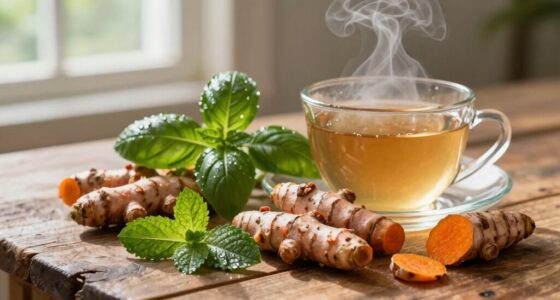

Herbs target the root causes of inflammation by delivering concentrated bioactive compounds like flavonoids, terpenes, and polyphenols that directly influence cellular pathways. They help reduce oxidative stress and inhibit enzymes like COX and LOX that promote inflammation. Extraction makes these compounds more bioavailable, so your body can absorb and use them effectively. If you want to understand how herbal extracts support your health at a cellular level, there’s more to discover.

Get oils, diffusers and self-care delivered free with Prime
- Fast, free delivery on millions of items
- Prime Video, Amazon Music and more included
- Member-only deals all year
Key Takeaways
- Herbs contain bioactive compounds like flavonoids and terpenes that directly modulate inflammatory pathways and enzymes such as COX and LOX.
- Extracted herbs improve bioavailability, allowing their anti-inflammatory compounds to be more effectively absorbed and utilized by the body.
- Active ingredients like curcumin and gingerol neutralize free radicals, reducing oxidative stress linked to chronic inflammation.
- Herbal extracts support cellular health, promote healing, and help restore balance in the body’s inflammatory response.
- Using herbal extracts offers a natural, long-term approach to managing inflammation with fewer side effects than conventional medications.
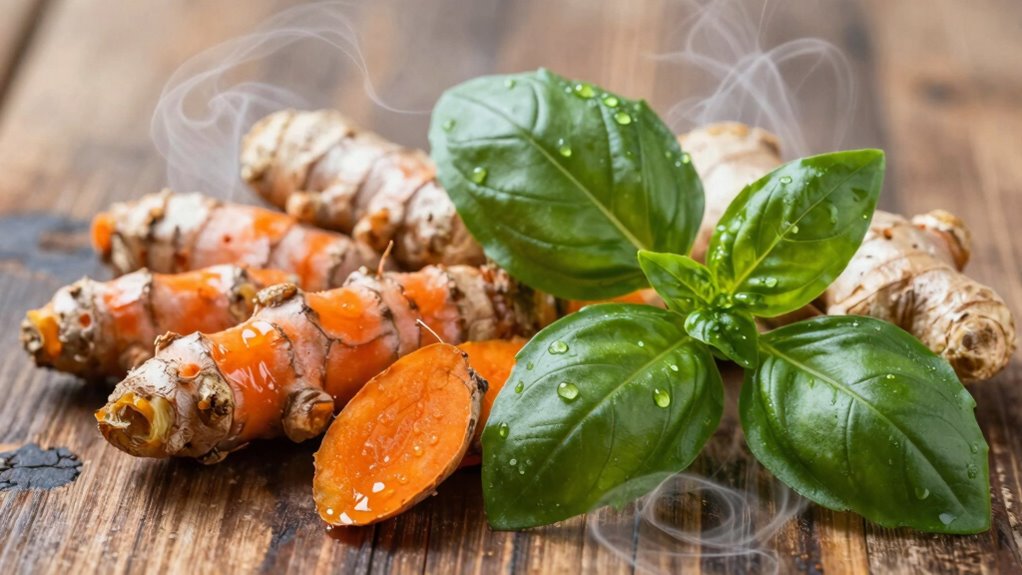
Inflammation is your body’s natural response to injury or infection, but when it becomes chronic, it can lead to various health issues. That’s where herbs come into play, offering natural support through their potent compounds. When you use herbal extraction, you’re tapping into the plant’s concentrated bioactive ingredients, which can influence your body’s inflammatory processes. These extracts often contain flavonoids, terpenes, and polyphenols that work together to modulate inflammation at its source.
Herbs with anti-inflammatory properties are especially valuable because they target the underlying causes of inflammation rather than just alleviating symptoms. For example, when you consume herbal extracts, you’re providing your body with compounds that can inhibit enzymes like cyclooxygenase (COX) and lipoxygenase (LOX), which are involved in inflammatory pathways. This action reduces the production of pro-inflammatory chemicals, helping to calm your body’s overactive immune response. Unlike synthetic drugs, herbal extraction tends to have fewer side effects, making it a safer long-term option for managing chronic inflammation.
Herbal extracts inhibit enzymes like COX and LOX, reducing inflammation naturally with fewer side effects.
You might notice that herbs like turmeric or ginger contain powerful anti-inflammatory properties because of their active compounds—curcumin and gingerol, respectively. These substances can penetrate cell membranes, directly influencing the signaling pathways that promote inflammation. When you incorporate these herbs into your diet or supplements, you’re not just adding flavor; you’re actively supporting your body’s natural ability to fight inflammation. The anti-inflammatory properties of these herbs are often enhanced through extraction processes, making their active compounds more bioavailable and easier for your body to utilize.
Furthermore, herbal extraction allows you to concentrate these beneficial compounds, ensuring you receive a consistent and potent dose. This way, your body’s inflammatory response can be more effectively modulated without the need for excessive medication. Many herbal extracts also contain antioxidants, which help neutralize free radicals—another factor linked to chronic inflammation. By reducing oxidative stress, these herbs contribute to a healthier, less inflamed state. Additionally, understanding the role of herbal extraction helps explain why these natural remedies are effective in supporting health at a cellular level.
This process also enhances the bioavailability of active compounds, ensuring your body can make the most of their benefits. Recognizing how plant compounds work synergistically in herbal extracts can further emphasize the importance of choosing quality preparations. Moreover, the potent compounds found in these extracts often work together to create a more comprehensive anti-inflammatory effect, amplifying their benefits. In essence, what your herbs are really doing is providing your body with natural tools to manage inflammation at its core. Their anti-inflammatory properties help restore balance, reduce pain, and promote healing. When you understand how herbal extraction amplifies these effects, it becomes clear that herbs offer a gentle yet powerful way to support your health. Incorporating them thoughtfully into your routine can make a significant difference in controlling chronic inflammation and improving overall well-being.
herbal anti-inflammatory supplements
As an affiliate, we earn on qualifying purchases.
As an affiliate, we earn on qualifying purchases.
Frequently Asked Questions
Can Herbs Completely Replace Anti-Inflammatory Medications?
Herbs can’t fully replace anti-inflammatory medications, especially in serious cases. Think of herbal preparation methods like a supportive crew, working alongside traditional medicinal systems rather than replacing them. For example, someone with chronic inflammation might find herbs help manage symptoms, but they often need medications for acute flare-ups. Always consult your healthcare provider before substituting, since herbs serve as complementary tools rather than complete replacements for medical treatments.
How Long Does It Take to See Herbal Effects on Inflammation?
You might start noticing herbal effects on inflammation within a few days to a few weeks, depending on your herbal preparation and dosage timing. Consistency is key; take herbs regularly as directed to see results sooner. Some herbs work quickly, while others need more time to build up in your system. Keep track of your progress, and adjust your intake as needed for the best anti-inflammatory benefits.
Are There Any Herbs That Can Worsen Inflammation?
Yes, some herbs can worsen inflammation if taken improperly. Herb toxicity occurs when you exceed recommended herbal dosages, leading to adverse effects. For example, excessive use of certain herbs like comfrey or ginseng might trigger inflammation or other health issues. Always follow dosage guidelines and consult a healthcare professional before adding new herbs to your routine, especially if you have underlying inflammatory conditions. Proper use guarantees herbs work in your favor.
Can Herbs Interact With Other Medications for Inflammation?
Imagine your body as a delicate garden—herbs are like seeds that can nurture or disrupt. Yes, herbs can interact with medications for inflammation, leading to unexpected effects. Always consider herbal safety and be aware of potential drug-herb interactions before combining herbal remedies with prescription treatments. Consulting your healthcare provider guarantees your herbal choices support your health without causing adverse interactions, keeping your body’s garden thriving.
What Are the Best Herbs for Chronic Versus Acute Inflammation?
For chronic inflammation, you should consider herbs like turmeric and ginger, which have proven traditional uses and can be taken in herbal dosages that support long-term relief. For acute inflammation, herbs like willow bark or wintergreen are effective due to their rapid anti-inflammatory properties. Always follow recommended herbal dosages and consult a healthcare professional to guarantee safety, especially when integrating herbs into your treatment plan.
turmeric curcumin extract capsules
As an affiliate, we earn on qualifying purchases.
As an affiliate, we earn on qualifying purchases.
Conclusion
Now that you know what herbs can do for inflammation, imagine how each teaspoon or leaf could be quietly working behind the scenes—silently easing pain, calming redness, and restoring balance within your body. The true power lies in the subtle shifts they bring, often unseen but deeply felt. So, as you incorporate these herbs into your routine, stay curious—because the real change might just be happening when you least expect it.
As an affiliate, we earn on qualifying purchases.
bioavailable herbal extracts for inflammation
As an affiliate, we earn on qualifying purchases.
As an affiliate, we earn on qualifying purchases.
Halloween Picks
halloween
As an affiliate, we earn on qualifying purchases.