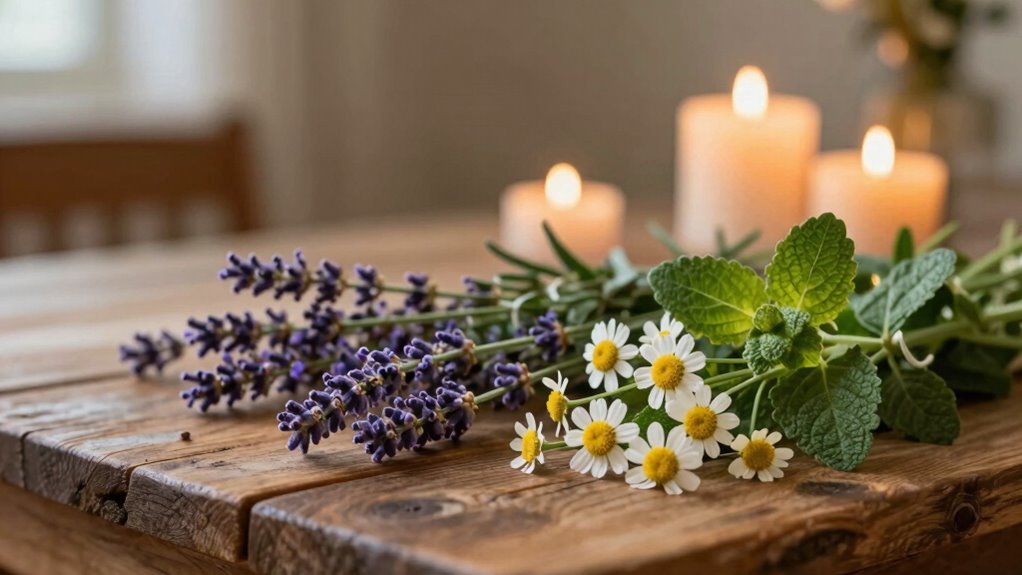

To calm evenings that feel too loud, try sipping herbal teas like chamomile, lavender, or valerian root, which help soothe your nerves and ease tension. Incorporate aromatherapy with essential oils such as lavender or bergamot to create a peaceful atmosphere. Using these calming herbs and scents together can help quiet your mind and promote relaxation. Keep exploring ways to turn your noisy evenings into tranquil moments—you’ll find more tips ahead.

Get oils, diffusers and self-care delivered free with Prime
- Fast, free delivery on millions of items
- Prime Video, Amazon Music and more included
- Member-only deals all year
Key Takeaways
- Incorporate chamomile or lavender teas to promote relaxation and reduce feelings of mental and physical tension.
- Use calming herbal infusions like valerian root to deepen relaxation before bedtime.
- Diffuse essential oils such as lavender or frankincense to create a peaceful, quiet environment.
- Combine herbal teas with aromatherapy to enhance calming effects and soothe sensory overload.
- Practice mindful breathing with the help of calming herbs and gentle aromatics to ease evening noise sensitivity.
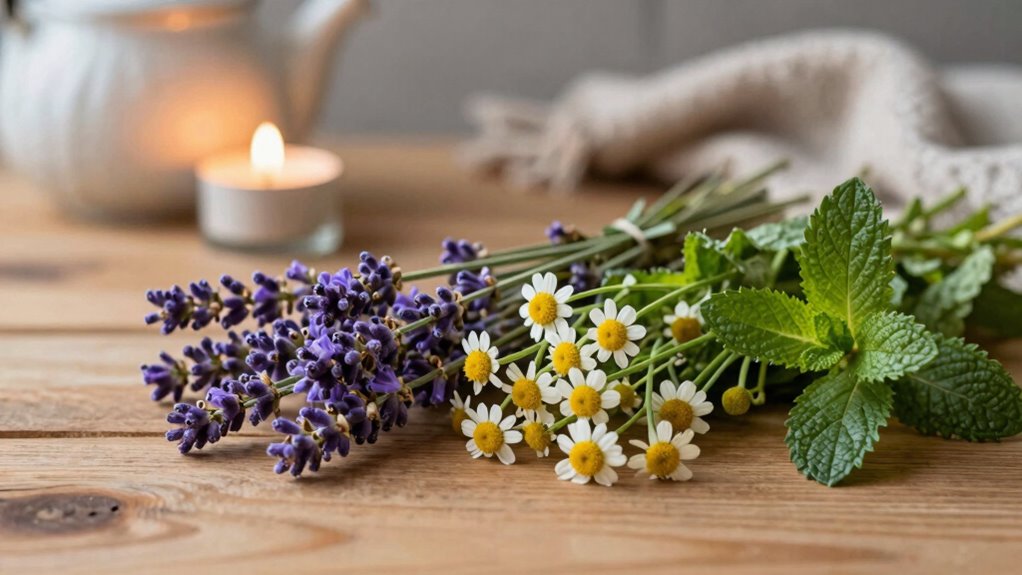
After a busy day, winding down can be challenging, but calming herbs can help you relax and prepare for restful sleep. One effective way to incorporate these herbs into your evening routine is through herbal tea varieties. A warm cup of chamomile tea, for example, is renowned for its gentle sedative properties and can ease tension in your mind and body. Lavender-infused teas are another excellent choice, offering a fragrant way to promote tranquility. Valerian root teas provide a slightly more potent option for those needing deeper relaxation. These herbal teas not only hydrate but also deliver natural compounds that calm your nervous system, helping to quiet a busy mind. Additionally, choosing herbal remedies with calming properties can enhance your relaxation experience further, supporting your efforts to unwind. Incorporating herbal infusions into your routine can also bolster the calming effects and promote overall wellness.
Alongside teas, aromatherapy blends filled with calming herbs can significantly influence your evening mood. Diffusing essential oils like lavender, bergamot, or frankincense creates a soothing environment that helps drown out the noise of a hectic day. When used properly, aromatherapy can trigger reactions in your brain that promote relaxation and reduce stress. You might choose a blend that combines lavender and chamomile for a floral, calming scent, or go for a more earthy aroma with cedarwood and sandalwood. These blends can be added to a diffuser, or you can apply diluted essential oils to pulse points for a quick, calming effect. The sensory experience of inhaling these gentle fragrances can make your space feel more peaceful and help to diminish feelings of overwhelm. Incorporating aromatherapy into your routine can also support overall stress reduction and improve sleep quality. Using calming herbs in various ways can deepen your relaxation and create a more tranquil nighttime environment. Additionally, some calming herbs, such as lemon balm, have been shown to influence nervous system activity to enhance relaxation.
Products Worth Considering

Therabody Theragun Mini 3rd Generation Massage Gun, Black

LEVOIT Vital 200S-P Smart Air Purifier for Large Rooms, White

Therabody Theragun Prime 6th Gen Deep Tissue Massage Gun
As an affiliate, we earn on qualifying purchases.
Frequently Asked Questions
Can Calming Herbs Be Used Alongside Prescription Medications?
Yes, calming herbs can be used alongside prescription medications, but you should be cautious. Herb interactions may occur, possibly affecting your medication’s effectiveness or causing side effects. Always consult your healthcare provider before combining herbs with prescriptions. They can advise you on proper dosage considerations and guarantee safe use. Never self-medicate, especially when mixing herbal remedies with prescribed drugs, to avoid adverse reactions and ensure your safety.
How Quickly Do Calming Herbs Typically Take Effect?
Calming herbs usually take about 30 minutes to an hour to show effects, but this varies with herb preparation methods and dosage considerations. If you steep tea longer or take higher doses, you might notice results sooner. Always start with a low dose to gauge your response, and stick to recommended preparation methods to guarantee safe and effective calming. Consistency over time can also enhance their calming effects.
Are There Any Side Effects From Long-Term Use?
Long-term use of calming herbs can sometimes lead to side effects like herb interactions or reduced effectiveness over time. While many herbs are safe when used responsibly, it’s important to take into account long-term safety and consult with a healthcare provider. Continuous use without guidance might cause unwanted effects or interactions with medications. To stay safe, use herbs in moderation, monitor your reactions, and prioritize professional advice for ongoing use.
Which Herbs Are Safest for Children or Pregnant Women?
It’s no coincidence that calming herbs like chamomile and lemon balm are often chosen for children and pregnant women, as they are generally considered safer. When considering herb safety, always check pregnancy considerations, since some herbs might affect hormone levels or cause allergies. You should consult a healthcare provider before use, especially for children or during pregnancy, to guarantee the herbs you pick are safe and appropriate for your specific situation.
Can Calming Herbs Improve Sleep Quality?
Yes, calming herbs can improve sleep quality. You might try an herbal infusion before bed, which helps relax your mind and body. Aromatherapy blends with herbs like lavender or chamomile also promote restful sleep and reduce nighttime anxiety. Incorporating these natural remedies into your evening routine creates a peaceful environment, making it easier to fall asleep and stay asleep longer.
Conclusion
As you sip your calming herbal tea, imagine wrapping yourself in a gentle, soothing blanket that melts away the noise of the day. These herbs are like quiet whispers in a bustling world, guiding you to a peaceful evening. Embrace their gentle magic, and let your mind drift like leaves floating on a calm lake. With each sip, you’re cocooned in serenity, ready to welcome a restful night’s sleep.