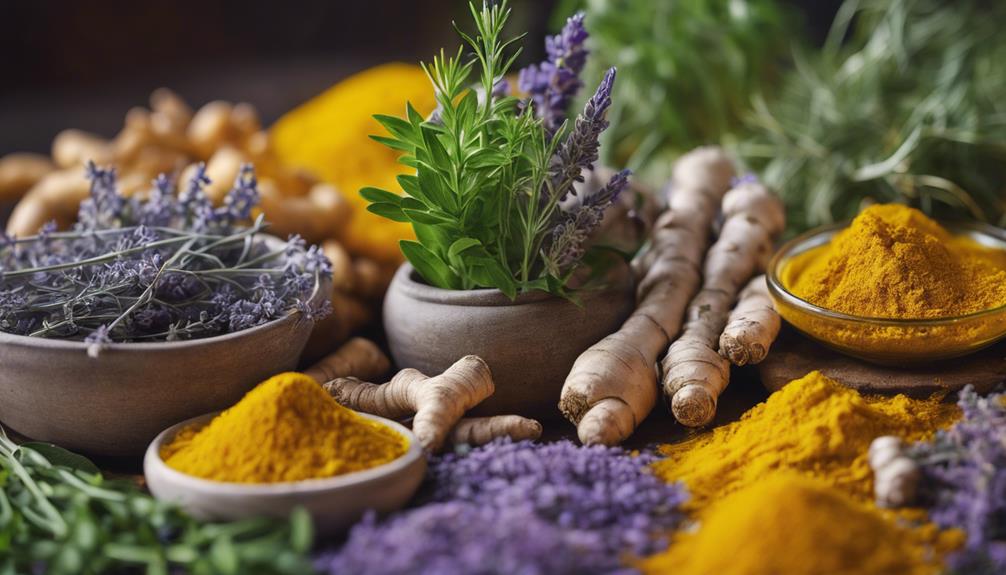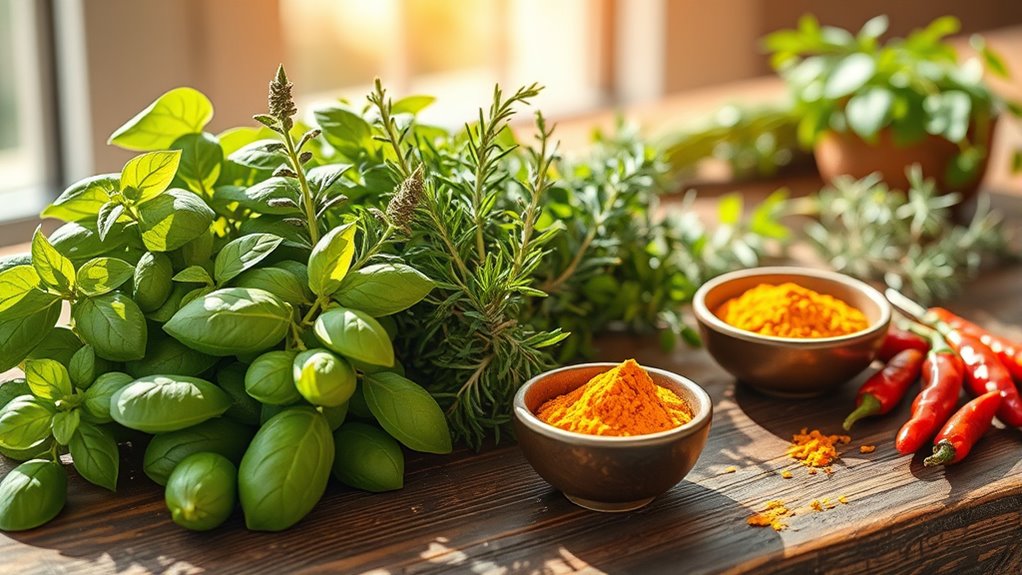

To naturally boost motivation and joy, you can incorporate herbs like Rhodiola Rosea and Mucuna Pruriens, which support dopamine production and combat fatigue. Ginkgo Biloba improves brain circulation, while Ashwagandha helps reduce stress and enhance mood. Saffron is also known for elevating happiness by balancing neurotransmitters. Consistently adding these herbs into your routine can help sustain a positive mood and mental clarity over time. Keep exploring for more tips to optimize your well-being.
Key Takeaways
- Herbs like Mucuna Pruriens and Rhodiola Rosea support dopamine production, enhancing motivation, energy, and mood naturally.
- Adaptogens such as Ashwagandha reduce stress hormones, indirectly supporting dopamine levels and emotional resilience.
- Herbs like St. John’s Wort increase serotonin, promoting happiness and calmness, complementing dopamine’s role in motivation.
- Incorporating herbs into daily routines through teas or supplements can sustain dopamine balance and boost joy over time.
- Consistent use of natural herbs fosters long-term improvements in mood, motivation, and mental clarity with fewer side effects than pharmaceuticals.
Understanding Dopamine and Its Role in Happiness
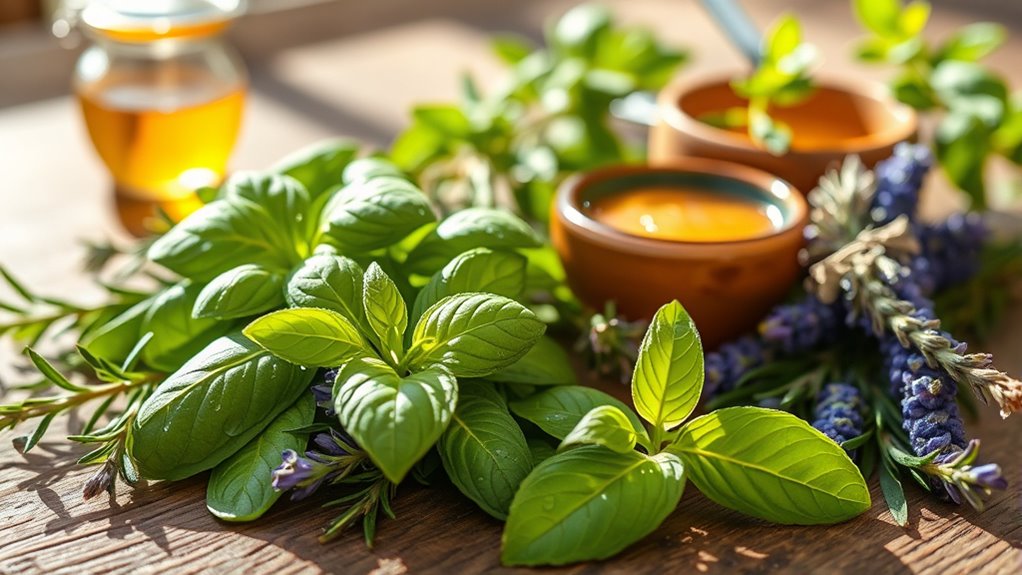
Dopamine is a neurotransmitter that plays a crucial role in how we experience pleasure and motivation. When you do something enjoyable, like eating your favorite food or achieving a goal, dopamine is released in your brain, reinforcing that behavior. It acts as a reward signal, encouraging you to repeat activities that bring satisfaction. This chemical also influences your focus and drive, helping you stay motivated to complete tasks. Low dopamine levels can lead to feelings of apathy, lack of interest, or depression. Understanding how dopamine works helps you realize that your mood and motivation are closely linked to this neurotransmitter’s activity. Maintaining healthy dopamine levels can boost your overall happiness, energy, and sense of well-being.
How Herbs Can Influence Neurotransmitter Production
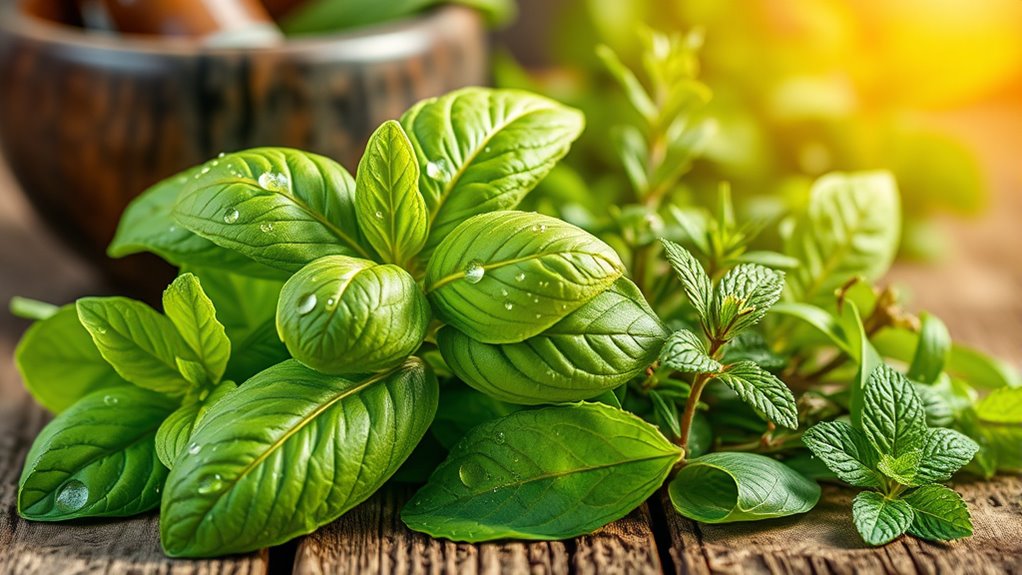
Herbs have been used for centuries to support brain health and influence neurotransmitter production naturally. They contain compounds that can enhance the synthesis and release of key chemicals like dopamine, serotonin, and norepinephrine. For example, herbs such as ginseng and bacopa may boost dopamine levels, helping you feel more motivated and focused. Other herbs, like St. John’s Wort, can increase serotonin, promoting feelings of happiness and calm. These herbs work by either supplying precursors needed for neurotransmitter creation or by affecting enzymes involved in their production. By incorporating these herbs into your routine, you can support your brain’s chemical balance and potentially improve your mood and motivation without relying solely on synthetic medications.
Rhodiola Rosea: An Adaptogen for Mental Clarity and Energy
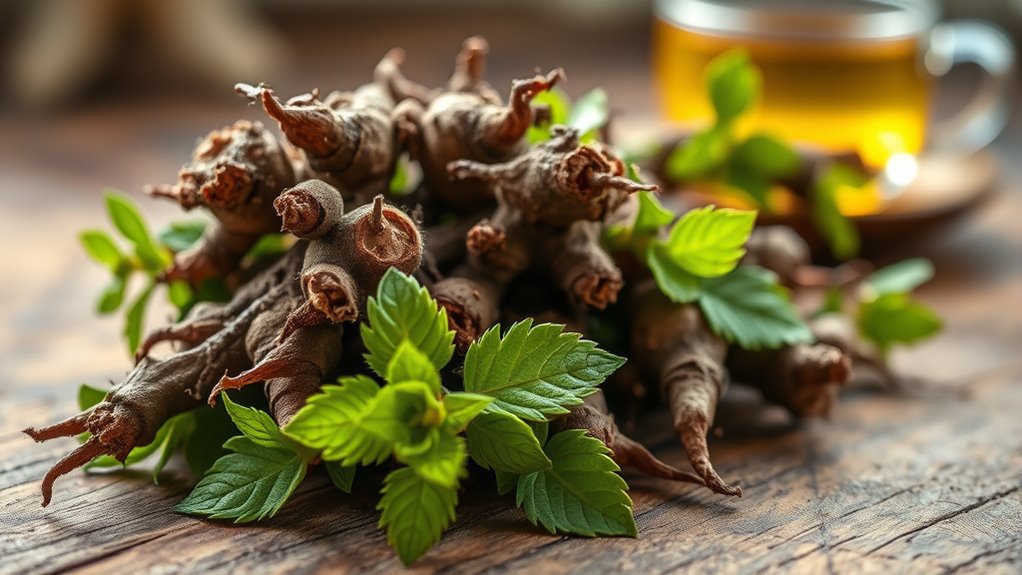
Rhodiola Rosea stands out as a powerful adaptogen that helps your body manage stress and maintain mental clarity. When you’re feeling overwhelmed or fatigued, Rhodiola supports your resilience by balancing your stress response, making it easier to stay focused. It enhances your energy levels without the jitters associated with stimulants, so you can power through your day with improved alertness. This herb also promotes mental clarity, helping you think more clearly and make decisions more effectively. By supporting your adrenal function, Rhodiola prevents burnout and boosts endurance. Incorporating Rhodiola into your routine may improve your overall mood and motivation, giving you the mental stamina needed to tackle challenges with confidence. It’s a natural tool for elevating your energy and focus.
Mucuna Pruriens: A Natural Source of L-DOPA
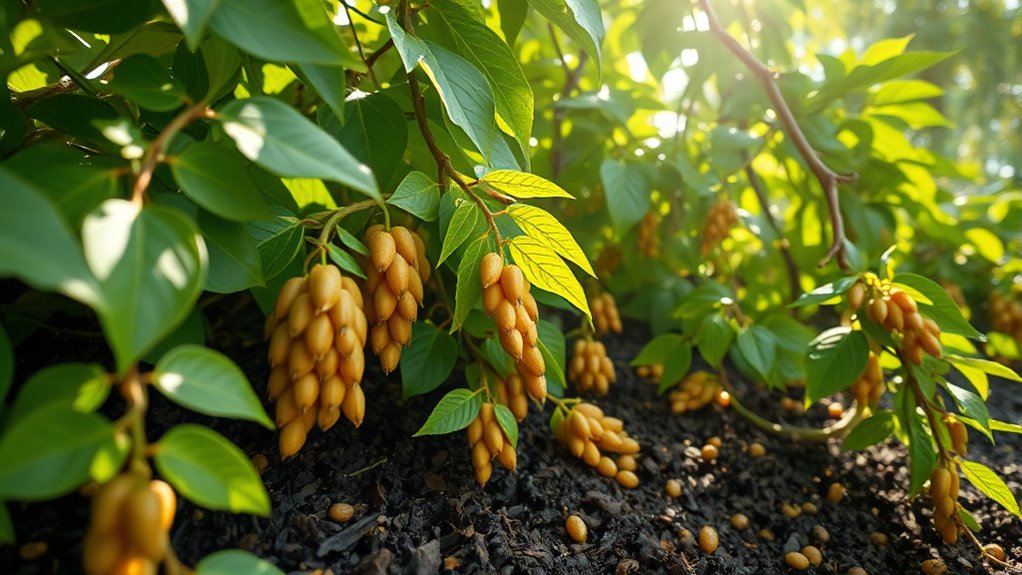
Mucuna Pruriens is a powerful herb that naturally contains L-DOPA, the direct precursor to dopamine. By supplementing with it, you may experience mood boosts and enhanced motivation. Let’s explore how its L-DOPA content can support your mental well-being.
L-DOPA Content and Benefits
Because it naturally contains high levels of L-DOPA, Mucuna pruriens has gained recognition as an effective plant-based source for supporting dopamine production. L-DOPA is a direct precursor to dopamine, the neurotransmitter linked to motivation, pleasure, and focus. Consuming Mucuna pruriens provides your body with readily available L-DOPA, which can cross the blood-brain barrier more efficiently than synthetic supplements. This boost helps elevate dopamine levels naturally, potentially improving mood and motivation. The plant’s L-DOPA content may also support cognitive function and reduce symptoms of dopamine deficiency. Unlike synthetic options, Mucuna pruriens offers a holistic approach, combining other beneficial compounds that can enhance overall neural health. Incorporating it into your routine could be a natural way to support your dopamine balance.
Potential Mood Enhancement
If you’re looking for a natural way to enhance your mood, Mucuna pruriens offers a promising option due to its high L-DOPA content. L-DOPA is a direct precursor to dopamine, which plays a key role in feelings of happiness and motivation. Supplementing with Mucuna pruriens may help increase dopamine levels, leading to improved mood, reduced stress, and a greater sense of well-being. Here’s a quick overview:
| Benefits | How It Works | Notes |
|---|---|---|
| Mood boost | Increases dopamine | Natural and herbal |
| Stress relief | Balances neurotransmitters | Consult before use |
| Motivation | Enhances focus and drive | Use responsibly |
This herb could be a natural way to lift your spirits and support emotional health.
Ginkgo Biloba: Enhancing Brain Circulation and Mood

Ginkgo Biloba is renowned for its ability to improve blood flow to the brain, which can boost cognitive function and mood. By enhancing circulation, it helps deliver oxygen and nutrients more efficiently, supporting mental clarity and alertness. This increased blood flow can also promote a balanced mood, reducing feelings of fatigue or irritability. Ginkgo contains antioxidants that protect brain cells from oxidative stress, further supporting overall brain health. Many people find that regular use of Ginkgo Biloba leads to improved focus and a greater sense of well-being. While it doesn’t directly increase dopamine levels, its role in optimizing brain circulation helps create a more stable and positive mental state, making it a popular herbal choice for enhancing mood naturally.
Ashwagandha: Reducing Stress to Support Dopamine Levels

While Ginkgo Biloba improves brain circulation and mood indirectly, managing stress plays a direct role in balancing dopamine levels. Ashwagandha is a powerful adaptogen that helps your body cope with stress more effectively. When you’re stressed, your dopamine production can decrease, leading to feelings of fatigue and low motivation. By reducing cortisol levels, Ashwagandha supports your nervous system and helps maintain healthy dopamine balance. Regular use may improve your resilience to everyday stressors, making it easier to stay motivated and joyful. Its calming effects can also enhance your overall mental clarity. Incorporating Ashwagandha into your routine may not only lower stress but also boost your mood by supporting the natural production of dopamine, helping you feel more energized and balanced throughout the day.
The Potential of Saffron in Elevating Mood
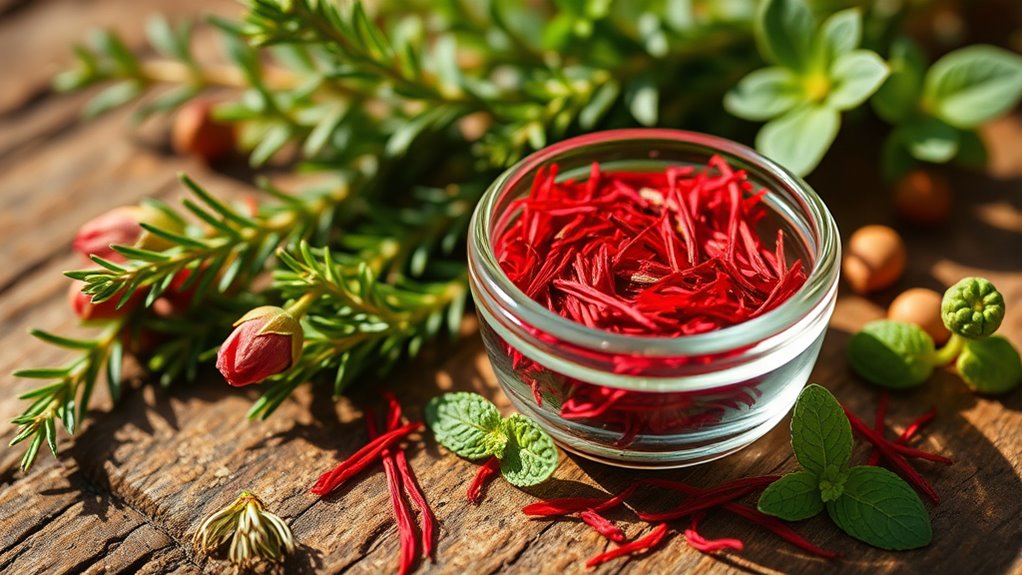
Saffron has gained recognition for its potential to elevate mood and combat symptoms of depression. Research suggests that compounds in saffron, like crocin and safranal, influence neurotransmitter activity, including serotonin and dopamine levels. By boosting these chemicals, saffron may help improve feelings of happiness and reduce emotional distress. Unlike some medications, saffron offers a natural approach with fewer side effects. You might notice a lift in your mood after incorporating saffron into your diet regularly. Many studies also indicate that saffron’s effects are comparable to certain antidepressants, making it a promising herbal supplement. While more research is needed, saffron’s ability to support emotional well-being makes it a compelling option for enhancing motivation and joy naturally.
Tips for Incorporating Dopamine-Boosting Herbs Into Your Routine

Incorporating dopamine-boosting herbs into your daily routine can be simple and effective with a few practical strategies. Start by adding herbs like Rhodiola or Ginseng to your morning tea or smoothie for a natural energy boost. You can also take supplements if you prefer precise dosages, but always consult with a healthcare professional first. Incorporate herbs gradually to monitor how your body responds, and keep track of your mood and motivation levels. Using herbs consistently is key—try to set a daily reminder or incorporate them into your existing routines, like cooking or herbal infusions. Remember, small, regular steps make it easier to enjoy the long-term benefits of these natural mood enhancers.
Frequently Asked Questions
Can Herbs Replace Medication for Dopamine-Related Mood Disorders?
Herbs can’t fully replace medication for dopamine-related mood disorders. While some herbs may help support mood and boost dopamine naturally, they often aren’t strong enough to manage severe conditions like depression or bipolar disorder. You should always consult your healthcare provider before making changes. Combining herbs with traditional treatments might help, but medication remains essential for many individuals. Never self-treat serious mental health issues without professional guidance.
Are There Any Side Effects From Long-Term Herbal Use?
Long-term herbal use can cause side effects, but they vary depending on the herb and individual. You might experience allergic reactions, digestive issues, or interactions with medications. It’s important to consult your healthcare provider before using herbs long-term, especially if you have existing health conditions or take other medicines. Monitoring your body’s response helps minimize risks, ensuring you benefit from herbal remedies safely without unintended side effects.
How Quickly Can I Expect Herbal Remedies to Affect Mood?
Think of herbal remedies as planting seeds in a garden—you won’t see blooms overnight. Usually, you can start noticing mood improvements within a week or two, but it varies based on the herb and your body. Some herbs work faster, like a quick sprout, while others take time to nurture. Patience and consistency are key, and you might feel a gentle shift rather than a sudden change.
Are Herbal Supplements Safe for Everyone, Including Pregnant Women?
Herbal supplements aren’t safe for everyone, especially pregnant women. You should always consult your healthcare provider before taking any herbs during pregnancy or if you have underlying health conditions. Some herbs may cause complications or interact with medications. It’s vital to get personalized advice to guarantee safety for both you and your baby. Never self-medicate, and prioritize professional guidance to avoid potential risks.
What Are the Best Combinations of Herbs for Boosting Motivation?
Think of herbal combinations like a symphony working together harmoniously. For boosting motivation, try blending ginseng for energy, Rhodiola for mental stamina, and ashwagandha to reduce stress. These herbs complement each other like instruments in an orchestra, creating a powerful boost. Always start with small doses, and consult a healthcare professional to guarantee the mix suits your needs and doesn’t interfere with any medications.
Conclusion
By blending beneficial botanicals into your daily routine, you can boost your brain’s balance and brighten your mood. Embrace the energizing effects of herbs like Rhodiola and Mucuna, and support your sanity with saffron and ginkgo. Remember, consistent care cultivates contentment, so stay committed to your herbal harmony. With mindful moderation and motivation, you’ll master your mood and magnify your motivation naturally.