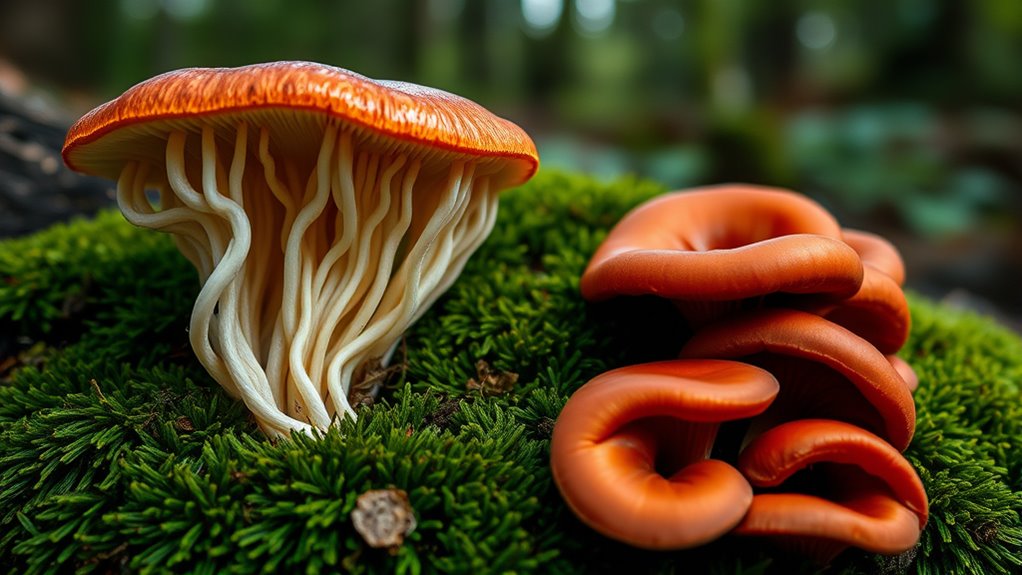

Adaptogenic mushrooms like Lion’s Mane and Reishi have long been valued for supporting mental wellness. Lion’s Mane boosts brain health by encouraging nerve growth and reducing oxidative stress, enhancing focus and clarity. Reishi promotes emotional balance, relaxation, and resilience during stress. Combining these mushrooms may help you manage anxiety, improve sleep, and stay mentally sharp. Explore how incorporating them into your routine can benefit your overall well-being and resilience over time.
Key Takeaways
- Lion’s Mane stimulates nerve growth factor (NGF), enhancing neural connections and supporting cognitive function.
- Reishi promotes emotional resilience, calmness, and mindfulness, aiding stress reduction and mental balance.
- Both mushrooms possess anti-inflammatory and antioxidant properties that protect brain health and reduce neurodegenerative risks.
- Regular consumption can improve mental clarity, focus, and overall wellness when integrated into daily routines.
- Safety considerations include monitoring for allergic reactions and consulting healthcare providers before use.
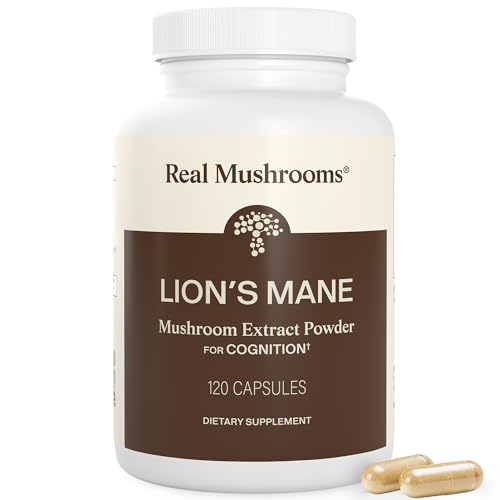
Real Mushrooms Lions Mane Mushroom Cognition (120 Capsules) Lions Mane Mushroom Powder Extract Capsules | Brain Supplement, Brain Vitamins, Focus Supplement
Lion’s Mane Capsules for Brain & Immune Support: Made using hand-picked Lion’s Mane mushroom extract, our supplement provides…
As an affiliate, we earn on qualifying purchases.
As an affiliate, we earn on qualifying purchases.
Understanding Adaptogenic Mushrooms and Their Historical Use

Adaptogenic mushrooms have been valued for centuries for their ability to help the body adapt to stress and restore balance. Ancient cultures, especially in Asia, used these fungi as part of traditional medicine to boost vitality and resilience. Reishi, known as the “Mushroom of Immortality,” was prized by Chinese emperors for its health-promoting properties. Similarly, in Japan and India, these mushrooms played roles in holistic healing practices, believed to strengthen the immune system and improve mental clarity. They weren’t just used for physical health but also for spiritual harmony. Over generations, their reputation as adaptogens grew, emphasizing their capacity to help the body respond better to stressors. Today, this historical use underscores their importance in natural wellness and integrative health practices.

Reishi Mushroom Capsules (4:1 Ganoderma Extract, 1,000mg Red Reishi Powder per Serving) 300 Count, 5 Month Supply, Potent Mushroom Supplement for Immune System Support and Defense by Double Wood
1,000MG OF 4 TO 1 REISHI EXTRACT: Double Wood's Reishi Extract is a 4:1 extract meaning 1,000mg of…
As an affiliate, we earn on qualifying purchases.
As an affiliate, we earn on qualifying purchases.
The Science Behind Lion’s Mane and Brain Health
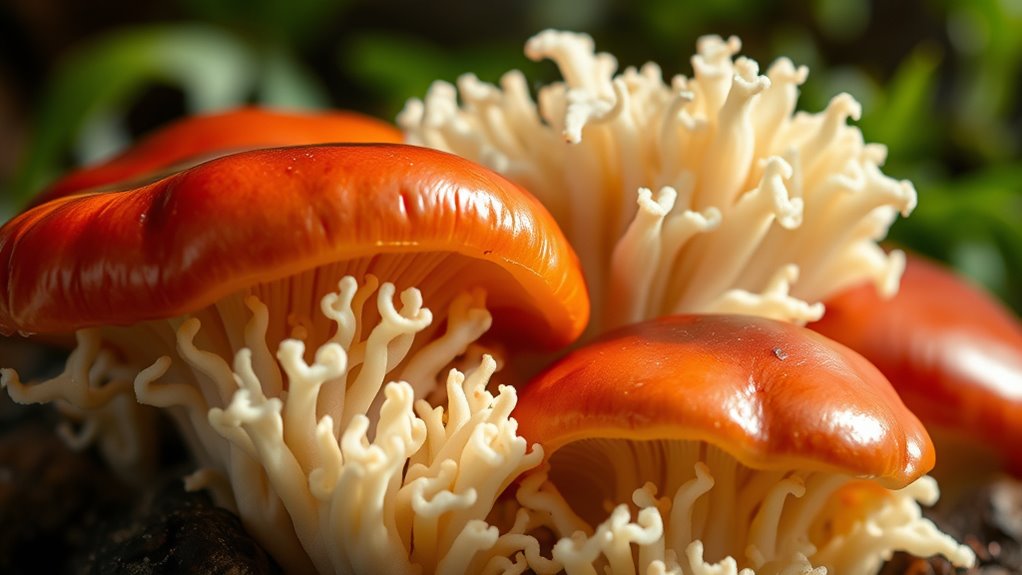
Have you ever wondered how Lion’s Mane mushroom can support your brain health? Scientific studies show that compounds in Lion’s Mane, like hericenones and erinacines, stimulate the production of Nerve Growth Factor (NGF). NGF is essential for the growth, maintenance, and survival of neurons. When NGF levels increase, your brain can better form new neural connections, which enhances memory, focus, and cognitive function. Research also indicates that Lion’s Mane has anti-inflammatory and antioxidant properties, protecting brain cells from damage caused by oxidative stress. These effects may help reduce the risk of neurodegenerative conditions and support mental clarity. While more research is still ongoing, current evidence suggests that incorporating Lion’s Mane can positively influence your brain’s structure and resilience, promoting overall mental wellness.

VELOTO Organic Mega Mushroom Powder Blend,10 in 1 Complex Mushroom Extract Powder Herbal Supplement with Reishi, Cordyceps, Chaga, Lion's Mane, Vegan & More, Sustainably US Grown, Filler Free, 10oz
10-IN-1 MUSHROOM POWDER BLEND: 100% Whole fruiting body.VELOTO mushroom powder combines 10 varieties of grown mushrooms from the…
As an affiliate, we earn on qualifying purchases.
As an affiliate, we earn on qualifying purchases.
Reishi: The Mushroom of Spiritual and Emotional Balance

Reishi mushroom has long been celebrated for its ability to promote spiritual harmony and emotional well-being. Its calming properties help you feel more centered, balanced, and connected to your inner self. Many use Reishi to enhance their sense of peace and emotional resilience, especially during stressful times. This adaptogen supports your overall mood and helps you maintain a positive outlook.
You might notice a sense of calm washing over you, making daily challenges easier to handle. Reishi encourages a deeper connection to your spiritual side, fostering mindfulness and reflection. It’s often called the “mushroom of spiritual balance” because of these qualities.
- Promotes inner peace and emotional resilience
- Enhances mindfulness and self-awareness
- Supports mood stability during stressful periods
- Fosters a sense of spiritual connection

MENTAL Mushroom Capsules, Organic Extract Supplement w/ Lion's Mane, Cordyceps, Reishi and Chaga, Boost Your Focus, Energy, Wellness and Immune System – Nootropic Mushrooms, Immune Support 90ct
MEGA-MIND MUSHROOM BLEND – Elevate your existence with a mushroom medley you’ll never forget! Our mushroom supplement contains…
As an affiliate, we earn on qualifying purchases.
As an affiliate, we earn on qualifying purchases.
How These Fungi Help Manage Stress and Anxiety
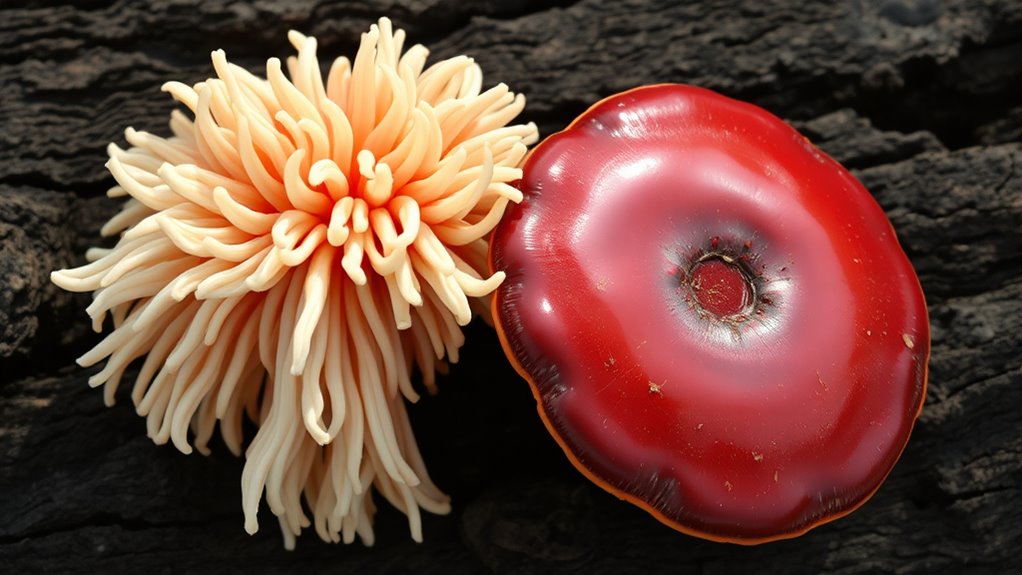
Many people turn to adaptogenic mushrooms like Reishi to help manage the daily stresses that can weigh heavily on their emotional well-being. Reishi helps regulate your body’s stress response by supporting your adrenal glands and reducing cortisol levels, the hormone linked to stress. It promotes relaxation without drowsiness, making it easier to stay calm during tense moments. Additionally, Reishi’s immune-boosting properties help your body handle stress more effectively. By balancing your nervous system, it prevents stress from becoming overwhelming. Regular use can help you feel more centered and resilient, even when faced with life’s challenges. These fungi work holistically to support your mental health, helping you maintain emotional stability and reduce feelings of anxiety naturally and gently.
Boosting Cognitive Function With Lion’s Mane

Lion’s Mane supports your brain’s ability to adapt and grow by enhancing plasticity, which helps you learn new skills more easily. It also aids in supporting memory recall, so you can remember important details better. Additionally, this mushroom fights cognitive fatigue, keeping your mind sharp and alert throughout the day.
Enhancing Brain Plasticity
If you want to improve your brain’s ability to adapt and grow, Lion’s Mane mushroom offers a powerful natural solution. Its bioactive compounds stimulate the production of nerve growth factor (NGF), essential for brain plasticity. This means your brain can form new connections more easily, enhancing learning and problem-solving skills. Regularly consuming Lion’s Mane may help you:
- Increase neural flexibility, making it easier to adapt to new challenges
- Support the growth of new neurons, boosting overall brain resilience
- Enhance your ability to recover from injury or stress
- Improve overall cognitive agility, keeping your mind sharp and responsive
Supporting Memory Recall
Supporting memory recall is essential for maintaining sharp cognitive function, and Lion’s Mane mushroom can play a key role in this process. It stimulates nerve growth factor (NGF) production, which supports neuron health and communication. This boost helps improve your ability to remember and process information more efficiently. Additionally, Lion’s Mane’s antioxidants protect brain cells from oxidative stress, further supporting memory. To understand its benefits better, consider how it interacts with other cognitive processes:
| Aspect | Effect | Benefit |
|---|---|---|
| NGF Production | Promotes neuron growth and repair | Enhances memory and learning |
| Antioxidants | Reduce oxidative damage to brain cells | Protects cognitive health |
| Neuroplasticity | Supports synaptic connections | Strengthens recall pathways |
Incorporating Lion’s Mane into your routine may enhance mental clarity and memory retention.
Combating Cognitive Fatigue
Cognitive fatigue can drain your mental energy, making it difficult to focus and perform at your best. When you’re overwhelmed or overstimulated, your mind feels sluggish, and concentration wanes. Lion’s Mane mushroom offers a natural way to combat this fatigue and boost your cognitive function. It promotes nerve growth and enhances neuroplasticity, helping your brain recover and stay sharp. Incorporating Lion’s Mane into your routine may lead to clearer thinking and sustained mental stamina. To get the most benefits:
- Take it consistently for ongoing support
- Pair it with good sleep and a balanced diet
- Combine it with other adaptogens for synergy
- Stay hydrated and exercise regularly
Reishi’s Role in Supporting Sleep and Relaxation

Reishi mushrooms have long been prized for their calming properties, making them a popular natural remedy for sleep and relaxation. They contain compounds like triterpenes and polysaccharides that help reduce stress hormones and soothe your nervous system. When you incorporate reishi into your routine, it can promote a sense of calm, making it easier to unwind after a busy day. Many people find that reishi supports better sleep quality by helping to regulate your sleep cycle and ease anxiety. Instead of feeling jittery or restless, you might notice a more peaceful mind and relaxed body. Reishi works subtly over time, encouraging your body’s natural relaxation response and helping you fall asleep more easily. It’s a gentle, supportive addition to your wellness toolbox.
Incorporating Adaptogenic Mushrooms Into Your Daily Routine

Incorporating adaptogenic mushrooms into your daily routine is a simple and effective way to enhance your overall wellness. You can easily add them to your daily habits and enjoy their benefits. Start your morning with a mushroom-infused tea or coffee for an energizing boost. Use powdered Lion’s Mane in smoothies or oatmeal to support focus and cognitive function. Reishi capsules or teas are perfect for winding down and promoting relaxation before bed. Consistency is key; try to incorporate these mushrooms into your routine daily to see lasting benefits.
Boost wellness daily with adaptogenic mushrooms—tea, powder, or capsules support focus, relaxation, and overall health.
- Brew a Reishi tea each evening to unwind
- Mix Lion’s Mane powder into your morning smoothie
- Use mushroom extracts in cooking or baking
- Take capsules as part of your daily supplement routine
Potential Side Effects and Considerations

While adaptogenic mushrooms offer benefits, you should be aware of potential side effects. Some people might experience allergic reactions, and these mushrooms could interact with certain medications. It’s important to start with small amounts and consult your healthcare provider before adding them to your routine.
Possible Allergic Reactions
Although adaptogenic mushrooms are generally safe for most people, some individuals may experience allergic reactions. You might notice symptoms like skin rashes, itching, swelling, or respiratory issues after consuming mushrooms like Lion’s Mane or Reishi. If you have a history of allergies to fungi or mushrooms, it’s especially important to be cautious. Keep an eye out for unusual symptoms when trying them for the first time.
Here are some signs to watch for:
- Skin redness or hives
- Itching or swelling in the face or throat
- Shortness of breath or wheezing
- Gastrointestinal discomfort
If you experience any of these, stop using the mushrooms immediately and consult a healthcare professional. Being aware helps prevent more severe reactions.
Interactions With Medications
Even if adaptogenic mushrooms are generally safe, they can interact with certain medications, leading to potential side effects or altered drug efficacy. For example, Reishi may thin your blood and increase bleeding risk if you’re on blood-thinning medications like warfarin or aspirin. Lion’s Mane could influence neurotransmitter levels, potentially affecting antidepressants or antianxiety drugs. If you’re diabetic, Reishi might lower blood sugar and interfere with your medications. It’s important to consult your healthcare provider before adding these mushrooms to your routine, especially if you’re on medications for blood pressure, blood sugar, or mental health. Monitoring for unexpected side effects is vital, and dosage adjustments may be necessary to prevent interactions. Staying informed helps you enjoy the benefits safely and avoid complications.
Future Directions in Mushroom-Based Mental Wellness Research

As research in mushroom-based mental wellness advances, exploring standardized dosing protocols and long-term safety becomes essential. You’ll want clear guidelines to ensure consistent, effective results and minimize risks. Future studies should focus on pinpointing ideal doses, duration of use, and potential interactions. Additionally, understanding how these mushrooms impact mental health over extended periods will help establish their safety profile. To move forward, researchers might consider:
- Developing clinical guidelines for everyday use
- Conducting long-term safety and efficacy trials
- Investigating individual responses based on genetics
- Exploring synergistic effects with other natural supplements
Frequently Asked Questions
Are There Any Contraindications for Taking Adaptogenic Mushrooms With Medications?
Yes, there can be contraindications when taking adaptogenic mushrooms like Lion’s Mane and Reishi with medications. You might experience interactions with blood thinners, diabetes medications, or immune suppressants. It’s essential that you consult your healthcare provider before adding these supplements to your routine, especially if you’re on medication. They can advise you on potential risks and help make certain you don’t experience adverse effects or reduce medication effectiveness.
Can Children Safely Consume Lion’s Mane or Reishi Supplements?
Imagine a gentle forest breeze guiding you to a safe, nourishing path. You can’t give Lion’s Mane or Reishi supplements to children without consulting a healthcare professional first. While these mushrooms are generally safe for adults, children’s developing systems need careful assessment. Always check with your child’s doctor to verify safety and appropriate dosage, preventing any unintended effects as they grow and explore the world around them.
What Are the Best Forms of Mushroom Supplements for Mental Wellness?
You should look for mushroom supplements in capsule or powder form, as these are convenient and easy to incorporate into your routine. Choose products labeled as organic and third-party tested to guarantee quality and safety. Opt for reputable brands that specify the concentration of active compounds like beta-glucans or hericenones. These forms allow better absorption and consistent dosing, helping you maximize the mental wellness benefits of Lion’s Mane and Reishi.
How Long Does It Typically Take to Notice Mental Health Benefits?
You’ll likely notice mental wellness benefits from mushroom supplements within a few weeks, like a sunrise brightening your day. Some people experience improved focus and reduced stress in as little as 2-4 weeks, while others may take up to 8 weeks for full effects. Consistency is key—taking them daily helps your brain adapt and reap the benefits. Be patient; your mind needs time to blossom.
Are There Any Differences Between Wild-Harvested and Cultivated Adaptogenic Mushrooms?
Yes, there are differences between wild-harvested and cultivated adaptogenic mushrooms. Wild-harvested mushrooms often have a richer nutrient profile because they grow naturally in diverse environments, which can enhance their potency. Cultivated ones are easier to control in quality and consistency, but may lack some of the complexity found in wild varieties. Your choice depends on whether you prioritize potency or consistency, and both can support your mental wellness effectively.
Conclusion
Imagine a garden where lion’s mane and reishi mushrooms bloom quietly, each offering their gentle support. As you nurture these fungi into your daily routine, you plant seeds of clarity, calm, and balance. Over time, watch your mind blossom like a vibrant, peaceful forest—stress easing like a breeze, focus sharpening like sunlight through leaves. Embrace these adaptogenic allies, and let your mental wellness flourish naturally, rooted in nature’s quiet strength.