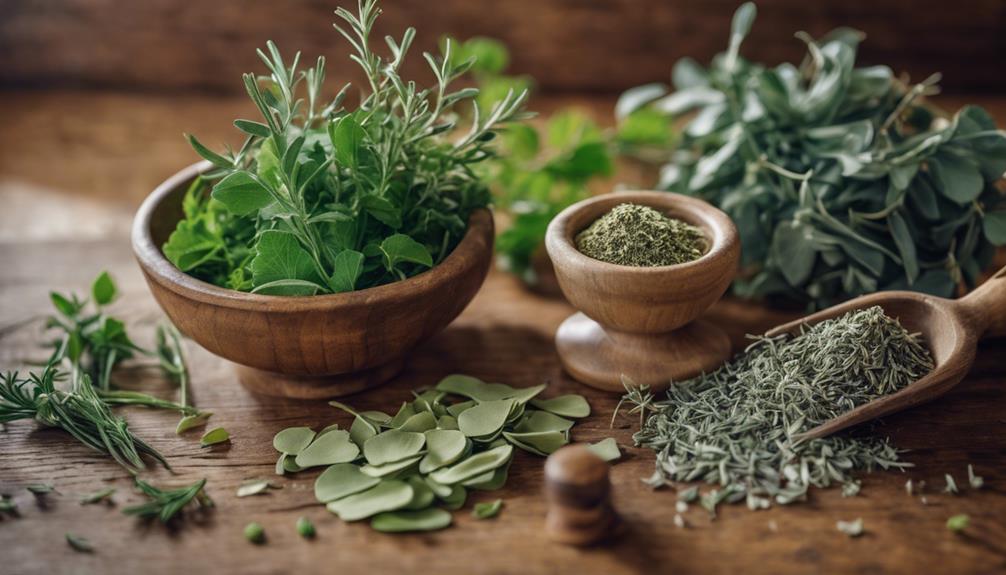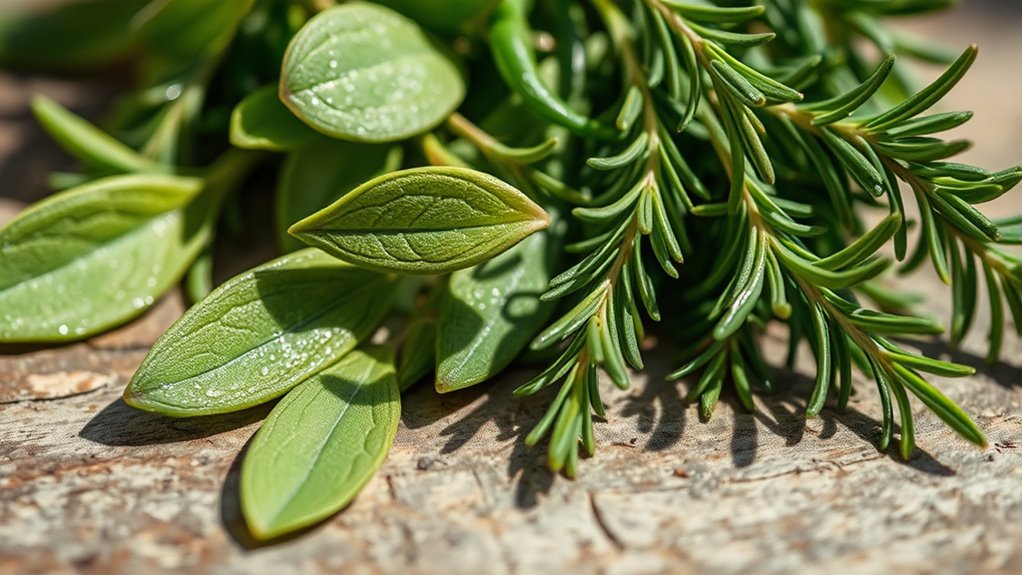

Sage and rosemary, traditional herbs known for centuries to boost mental clarity, contain active compounds like rosmarinic and carnosic acid that support brain health. They help increase neurotransmitters such as acetylcholine, improve blood flow, and fight oxidative stress, all of which can reduce brain fog. Incorporating these herbs into your diet may enhance focus and memory naturally. To discover how to use them effectively and safely, continue exploring their benefits and best practices.
Key Takeaways
- Sage and rosemary contain active compounds like rosmarinic and carnosic acids that support cognitive function and neuroprotection.
- These herbs influence neurotransmitters such as acetylcholine, enhancing memory, alertness, and mental clarity.
- Scientific studies show sage improves memory and cognitive performance, while rosemary aromatherapy boosts attention.
- Incorporating herbs into meals or teas offers a natural, accessible way to potentially reduce brain fog.
- Excessive use should be cautious; moderation and individual sensitivities are important for safe benefits.
The Traditional Use of Sage and Rosemary for Mental Clarity
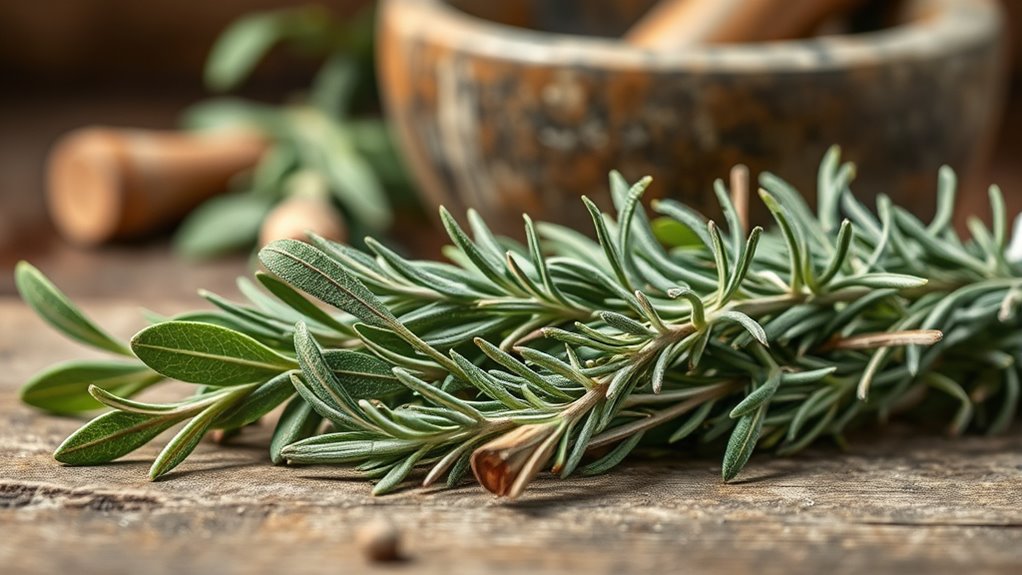
For centuries, sages and herbalists have turned to sage and rosemary as natural remedies to enhance mental clarity. They believed these herbs could sharpen the mind, improve memory, and reduce mental fatigue. In ancient Greece and Rome, people used sage to boost cognitive function during study or decision-making. Rosemary was often burned or infused in oils to invigorate the senses and promote alertness. These herbs played a essential role in traditional medicine, valued not just for their aroma but for their supposed ability to clear mental fog. Their use extended to rituals, teas, and topical applications, demonstrating a long-standing trust in their mental benefits. Today, many still turn to these herbs with the hope of reclaiming clarity and focus naturally.
How Sage and Rosemary Affect Brain Chemistry

When you use sage and rosemary, they can influence your brain chemistry by affecting neurotransmitter levels. These herbs may boost cognitive functions by enhancing communication between nerve cells. As a result, you might experience sharper focus and improved mental clarity.
Neurotransmitter Influence
Sage and rosemary influence brain chemistry by modulating key neurotransmitters that affect your mood and cognitive function. Sage has compounds that may boost acetylcholine levels, enhancing memory and learning by supporting communication between brain cells. Rosemary contains antioxidants that can influence dopamine and norepinephrine, which play roles in alertness and focus. These herbs may also regulate serotonin, helping to stabilize mood and reduce mental fatigue. By affecting these neurotransmitters, sage and rosemary can create a more balanced brain chemistry, potentially easing brain fog and mental sluggishness. While research is ongoing, evidence suggests that regular use of these herbs can support your brain’s chemical environment, making it easier to concentrate, remember, and stay mentally clear throughout your day.
Cognitive Enhancement Effects
By influencing neurotransmitter activity, sage and rosemary can considerably boost your cognitive functions. These herbs contain compounds that enhance acetylcholine levels, a key neurotransmitter involved in memory and learning. As a result, you may notice sharper focus, quicker recall, and improved mental clarity. Rosemary’s cineole has been shown to stimulate the brain’s alertness pathways, helping you stay attentive longer. Sage’s antioxidants protect brain cells from oxidative stress, supporting sustained cognitive health. Both herbs also promote increased blood flow to the brain, delivering essential nutrients and oxygen for ideal function. Regular use of sage and rosemary can help you process information more efficiently, reduce mental fatigue, and elevate your overall mental performance. This makes them promising natural aids for enhancing your cognitive abilities.
Scientific Studies on Sage’s Cognitive Benefits

Research shows that sage can improve memory and cognitive function, with several studies demonstrating notable enhancement. You’ll find insights into how sage influences cholinergic activity, which is key to learning and memory processes. Additionally, evidence suggests sage offers neuroprotective effects that may help defend against cognitive decline.
Memory Enhancement Evidence
Numerous scientific studies have demonstrated that sage can improve memory and cognitive function, making it a promising natural remedy for brain fog. Research shows that sage extracts can enhance alertness and information recall. For example, a 2007 study found that participants experienced improved working memory after taking sage supplements. The following table highlights key findings:
| Study | Method | Results |
|---|---|---|
| 2007 | Double-blind, placebo-controlled | Enhanced working memory |
| 2010 | Cognitive task assessment | Increased recall speed |
| 2015 | Elderly participants | Improved attention span |
| 2018 | Neuropsychological tests | Better mental clarity |
These results suggest that incorporating sage into your routine could support sharper memory and mental clarity.
Cholinergic Activity Insights
Scientific studies reveal that sage’s cognitive benefits are largely tied to its ability to enhance cholinergic activity in the brain. This means sage can boost acetylcholine levels, a neurotransmitter essential for learning and memory. Research shows that sage contains compounds like rosmarinic acid and sage oil, which inhibit acetylcholinesterase, the enzyme that breaks down acetylcholine. By blocking this enzyme, sage helps maintain higher acetylcholine levels, supporting better communication between brain cells. Multiple clinical trials have demonstrated improved memory and mental clarity after sage intake, especially in individuals experiencing cognitive decline. These findings suggest that sage’s cholinergic activity plays a key role in its potential to clear brain fog and improve overall cognitive function.
Neuroprotective Effects Data
Studies consistently show that sage provides significant neuroprotective benefits, helping to safeguard brain cells from oxidative stress and damage. Research indicates that sage’s active compounds, like rosmarinic acid, reduce inflammation and neutralize free radicals, protecting your brain over time. Numerous studies demonstrate improved memory and cognitive performance after sage supplementation, especially in aging populations. The table below highlights key findings:
| Study | Focus | Result |
|---|---|---|
| Tildesley et al., 2003 | Antioxidant properties | Reduced oxidative stress |
| Perry et al., 2000 | Cognitive function | Improved memory recall |
| Kennedy et al., 1998 | Neuroprotection | Decreased neuron damage |
| Moss et al., 2000 | Inflammation reduction | Lowered brain inflammation |
These findings reinforce sage’s role as a natural neuroprotective agent.
Research Findings on Rosemary and Mental Performance

Research indicates that rosemary can considerably enhance mental performance, especially in areas like memory and alertness. Multiple studies show that simply smelling or ingesting rosemary improves focus and cognitive speed. For example, a 2008 trial found participants performed better on memory tests after inhaling rosemary aroma. Additionally, some research suggests that rosemary may reduce mental fatigue and increase alertness during demanding tasks. The aroma’s stimulating properties seem to activate brain regions involved in attention and memory. While the exact mechanisms aren’t fully understood, findings consistently point to rosemary’s positive impact on mental clarity. Incorporating rosemary into your routine, whether through cooking or aromatherapy, could help sharpen your mind and reduce feelings of brain fog. These promising results highlight rosemary’s potential as a natural cognitive booster.
Active Compounds in Sage and Rosemary Linked to Brain Health

You might be surprised to learn that compounds like rosmarinic acid, carnosic acid, and flavonoids play key roles in supporting your brain health. Rosmarinic acid offers anti-inflammatory benefits, while carnosic acid helps protect neurons from damage. Flavonoids contribute to cognitive support, making these compounds essential for clarity and focus.
Rosmarinic Acid Benefits
Have you ever wondered how sage and rosemary support brain health? A key active compound in both herbs is rosmarinic acid, which offers powerful benefits. Rosmarinic acid acts as a potent antioxidant, neutralizing free radicals that can damage brain cells. It also has anti-inflammatory properties, reducing inflammation that might impair cognitive function. Studies suggest that this compound may help enhance memory and protect against neurodegenerative diseases. When you include sage or rosemary in your diet, you’re providing your brain with these protective compounds. Rosmarinic acid’s ability to combat oxidative stress and inflammation makes it a valuable component in maintaining mental clarity. Incorporating these herbs regularly could support your overall cognitive health and help clear brain fog naturally.
Carnosic Acid Neuroprotection
Carnosic acid, a powerful antioxidant found in sage and rosemary, plays a crucial role in protecting your brain cells from damage. It helps combat oxidative stress, a major factor in cognitive decline and neurodegenerative diseases. Studies show that carnosic acid activates pathways that bolster your brain’s defenses, reducing inflammation and promoting cell survival. This compound crosses the blood-brain barrier, directly supporting your neural health. To better understand its benefits, here’s a quick overview:
| Feature | Benefit |
|---|---|
| Antioxidant properties | Protects brain cells from oxidative damage |
| Anti-inflammatory effects | Reduces neuroinflammation |
| Neuroprotective action | Supports neuron health and survival |
Incorporate herbs with carnosic acid to help keep your mind sharp and resilient.
Flavonoids and Cognitive Support
Flavonoids, naturally occurring compounds in sage and rosemary, are key contributors to their cognitive benefits. These plant chemicals have potent antioxidant and anti-inflammatory properties that support brain health. When you consume sage or rosemary, you’re introducing flavonoids that help protect your neurons from oxidative stress, a major factor in cognitive decline. Research shows flavonoids can improve memory, enhance learning, and boost mental clarity. They activate pathways in your brain that promote neuroplasticity and synaptic strength. By regularly including these herbs in your diet, you may experience sharper focus and reduced brain fog. Flavonoids work synergistically with other compounds in sage and rosemary, amplifying their overall positive effects on your cognition. Incorporating these herbs is a simple, natural way to support your brain as you age.
Comparing Sage and Rosemary to Other Cognitive Enhancers

While sage and rosemary are often praised for their cognitive benefits, they stand out differently when compared to other popular enhancers like ginkgo biloba and Bacopa monnieri. These herbs have unique mechanisms and evidence supporting their use. For example:
- Ginkgo biloba improves blood flow to the brain, potentially enhancing memory and focus.
- Bacopa monnieri contains compounds that may support neural communication and reduce anxiety.
- Sage and rosemary primarily contain flavonoids and antioxidants that protect brain cells.
- While sage and rosemary are versatile kitchen herbs, ginkgo and Bacopa are typically taken as supplements, often with more extensive clinical backing.
Each offers distinct advantages, making them suitable for different cognitive needs. Your choice depends on your goals and preferences.
Practical Ways to Incorporate These Herbs Into Your Diet

Incorporating sage and rosemary into your daily diet is both simple and flavorful. You can add fresh herbs to salads, roasted vegetables, and grilled meats to boost flavor and potential brain benefits. Brew a soothing tea with sage leaves or sprinkle chopped rosemary over scrambled eggs or pasta dishes. Use dried herbs in marinades, dressings, or as seasoning for roasted potatoes. Fresh herbs work well in wraps and sandwiches, adding aroma and taste. Grow your own herbs in pots or garden beds for easy access and maximum freshness. Incorporating these herbs into your cooking not only enhances flavor but also makes it easier to enjoy their cognitive-boosting properties regularly. Small, consistent additions can make a noticeable difference over time.
Potential Side Effects and Precautions
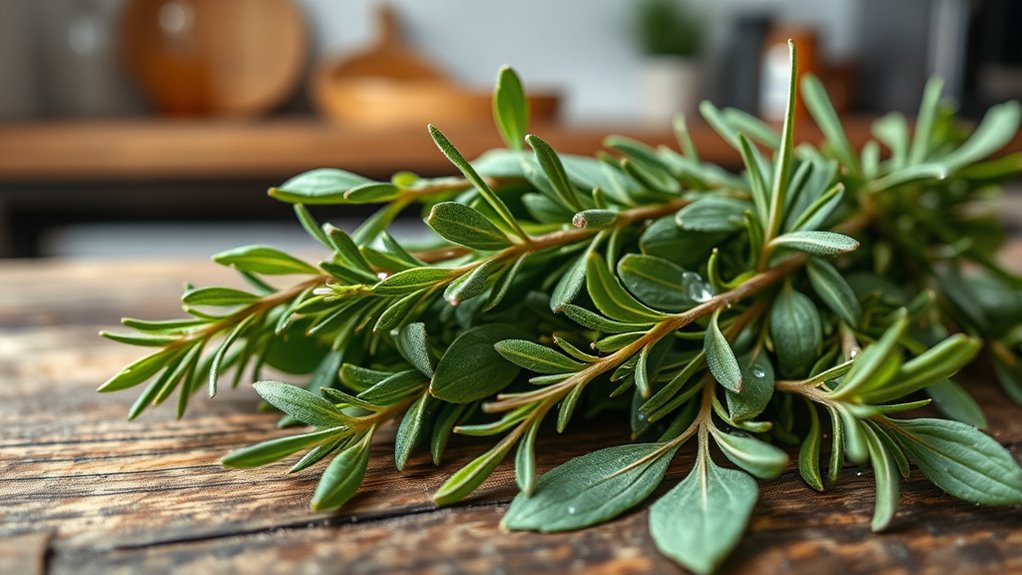
Although sage and rosemary are generally safe when used in culinary amounts, consuming large quantities or concentrated extracts can cause side effects or interact with medications. You should be cautious, especially if you’re pregnant, breastfeeding, or on medications like blood thinners or diabetes drugs. Here are some key precautions:
Use sage and rosemary in moderation to avoid potential side effects and medication interactions.
- High doses of sage may lead to seizures or stomach upset.
- Rosemary in excess can cause allergic reactions or kidney irritation.
- Pregnant women should avoid large amounts, as sage may induce contractions.
- Medication interactions: Both herbs can alter how your body processes certain drugs, so consult your healthcare provider before use. Staying informed helps prevent adverse effects and guarantees safe incorporation into your routine.
Combining Herbs With Other Brain-Boosting Strategies

Combining herbs like sage and rosemary with other brain-boosting strategies can enhance your mental clarity and focus more effectively. Incorporate regular physical activity, such as brisk walking or yoga, to boost blood flow to your brain. Prioritize quality sleep, aiming for seven to nine hours per night, to support cognitive function. Maintain a balanced diet rich in omega-3 fatty acids, antioxidants, and vitamins that nourish your brain. Practice mindfulness or meditation daily to reduce stress and improve concentration. Staying mentally active through puzzles, reading, or learning new skills also complements herbal benefits. By integrating these strategies, you create an extensive approach that maximizes your mental sharpness and helps clear brain fog more efficiently.
Future Directions in Natural Cognitive Support Research

Research into natural cognitive support is rapidly evolving, promising new ways to enhance mental clarity without pharmaceuticals. Future research will likely focus on:
- Identifying specific bioactive compounds in herbs like sage and rosemary that directly influence brain function.
- Conducting rigorous clinical trials to validate the efficacy and safety of herbal interventions.
- Exploring synergistic effects of combining herbs with other lifestyle factors such as diet and exercise.
- Developing standardized extracts to guarantee consistent potency and quality for consumers.
Frequently Asked Questions
Can Sage and Rosemary Cure Chronic Brain Fog or Just Alleviate Symptoms?
Sage and rosemary can help alleviate symptoms of chronic brain fog, but they won’t cure it entirely. You might notice improved mental clarity and focus after using these herbs, thanks to their antioxidant and anti-inflammatory properties. However, underlying causes like stress, sleep issues, or health conditions require proper medical attention. Incorporate these herbs into a healthy lifestyle, but don’t rely solely on them for a complete cure.
Are There Any Known Interactions Between These Herbs and Prescription Medications?
You should be mindful, as sage and rosemary can gently mingle with certain medications, sometimes altering their effects. While these herbs are generally safe in culinary amounts, higher doses or supplements may cause interactions, especially with blood thinners or anticonvulsants. Always check with your healthcare provider before making herbal changes, ensuring your natural choices support rather than complicate your treatment journey.
How Long Does It Typically Take to Notice Mental Clarity Improvements From Herbal Use?
You might start noticing mental clarity improvements within a few days to a couple of weeks of consistent herbal use. Factors like your individual response, the dosage, and how often you use the herbs influence this timeline. Stay patient, and keep track of any changes. If you don’t see progress after several weeks, consider adjusting your approach or consulting a healthcare professional for personalized advice.
Are There Specific Dosages or Preparations That Maximize Cognitive Benefits?
You should use about one teaspoon of dried sage or rosemary per cup of tea, or 1-2 drops of essential oil in a diffuser for cognitive benefits. For capsules, follow manufacturer instructions or consult a healthcare professional. Consistency matters, so incorporate these herbs into your daily routine. Avoid excessive amounts, as high doses can cause side effects. Proper preparation and moderation help maximize mental clarity and focus.
Do Age or Health Conditions Influence the Effectiveness of Sage and Rosemary for Mental Clarity?
Yes, your age and health conditions can influence how effective sage and rosemary are for mental clarity. As you age, you might notice these herbs work differently, possibly lessening their impact. Health issues like allergies, medication use, or neurological conditions could also alter their benefits. It’s important to consult with a healthcare professional before adding them to your routine, especially if you have existing health concerns.
Conclusion
By embracing the gentle whispers of sage and rosemary, you may find subtle pathways to clearer thought. These herbs, woven into your daily routine, offer a touch of nature’s wisdom without overwhelming your senses. While they’re no magic pills, their quiet presence can support your journey toward mental clarity. Remember, nurturing your mind is a delicate dance—sometimes, the simplest herbs can help you find a softer, brighter dawn.