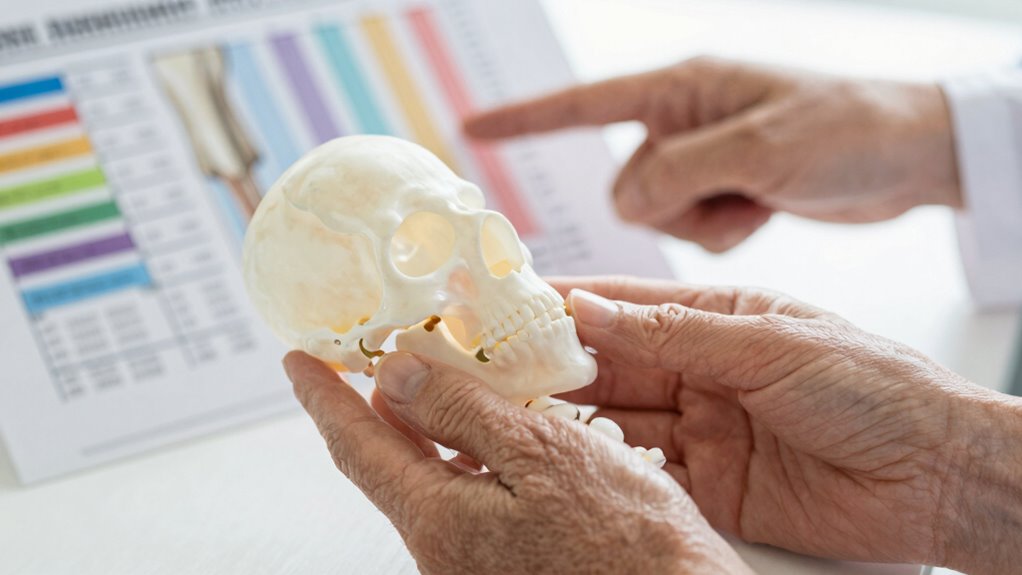

To protect your bone health, ask about your risk factors for osteoporosis, including family history, smoking, and medical conditions. Find out if you’re getting enough calcium and vitamin D through diet or supplements. Inquire about bone density testing and how often it’s recommended for you. Ask what lifestyle changes, like exercise, can strengthen your bones and prevent fractures. Staying informed and proactive can help you maintain mobility and independence longer—continue exploring for more essential questions to ask.

Get oils, diffusers and self-care delivered free with Prime
- Fast, free delivery on millions of items
- Prime Video, Amazon Music and more included
- Member-only deals all year
Key Takeaways
- What is my current bone density, and when should I get tested?
- How can I optimize my calcium and vitamin D intake for bone health?
- What lifestyle changes or exercises can strengthen my bones?
- Am I at risk for osteoporosis based on my family history or health conditions?
- Are there medical treatments or supplements I should consider to prevent bone loss?
Maintaining strong bones is essential for a healthy, active life, especially as you age. Your bones support your body, protect vital organs, and enable movement, so keeping them healthy should be a priority. A good starting point is understanding your calcium intake. Calcium is the building block of bones, and if you aren’t getting enough through your diet or supplements, your bone density could decline over time. Ask your healthcare provider if your current calcium intake is sufficient for your age, sex, and overall health. They might recommend dietary sources like dairy products, leafy greens, or fortified foods, or suggest supplements if needed. Remember, too much calcium isn’t beneficial either, so it’s important to find the right balance.
Strong bones support movement and protect vital organs; ensure adequate calcium intake for lifelong health and stability.
Another key question you should be asking is about bone density testing. This test measures how much mineral content is in your bones and helps determine your risk for osteoporosis. If you have risk factors—such as a family history of fractures, smoking, excessive alcohol consumption, or certain medical conditions—getting a bone density test can be a pivotal step in early detection. Don’t wait until you experience a fracture to think about testing; prevention is always better than treatment. Your doctor can advise you on when to have this test based on your age and risk profile. Knowing your bone density allows you to make informed decisions about lifestyle changes or medications that can strengthen your bones. Regular bone density testing can help catch issues early and guide effective interventions. Additionally, being aware of osteoporosis risk factors can help you take proactive steps to protect your bones before problems develop.
You should also ask about other lifestyle factors that impact your bone health. Regular weight-bearing exercise, for example, stimulates bone growth and helps maintain density. Ensuring adequate vitamin D levels is equally important because it aids calcium absorption. Your healthcare provider can check your vitamin D status and recommend supplements if necessary. Incorporating nutritional strategies that support bone health, such as a balanced intake of essential nutrients, can further enhance your efforts. It’s also beneficial to stay informed about lifestyle modifications that can positively influence bone strength and reduce fracture risk. From medication effects to hormonal imbalances, understanding these factors allows you to better address potential concerns. Additionally, ask about your overall risk factors—such as medication use, hormonal imbalances, or nutritional deficiencies—that might affect your bones.
Finally, don’t forget to discuss your overall health management plan. Bone health isn’t just about calcium and testing; it involves an extensive approach that includes lifestyle modifications, proper nutrition, and medical interventions when needed. Staying proactive by asking the right questions helps you take control of your bone health and reduces your risk of fractures and osteoporosis later in life. Being informed empowers you to make choices that support your mobility, independence, and quality of life as you age.
calcium supplements for bone health
As an affiliate, we earn on qualifying purchases.
As an affiliate, we earn on qualifying purchases.
Frequently Asked Questions
How Does Sleep Affect Bone Health?
Poor sleep quality and irregular rest patterns can negatively affect your bone health. When you don’t get enough restorative sleep, your body struggles to repair and regenerate bone tissue effectively. Disrupted sleep can also increase inflammation, which may weaken bones over time. Prioritizing consistent rest patterns and improving sleep quality help maintain strong bones, as your body needs adequate rest to support bone density and overall skeletal strength.
Are There Specific Exercises to Strengthen Bones?
Think of your bones as a fortress needing reinforcement. Weight-bearing exercises like walking, jogging, or dancing act as the builders, while resistance training with weights or resistance bands serve as the scaffolding, strengthening your structure from within. By regularly engaging in these activities, you stimulate bone growth and increase density, turning your skeletal fortress into an unbreakable stronghold. Keep moving, and your bones will thank you with resilience.
Can Certain Medications Harm Bone Density?
Yes, certain medications can harm your bone density. Some drugs, like corticosteroids, have medication side effects that increase bone density risks, leading to weaker bones over time. If you’re taking long-term medication, talk to your doctor about potential impacts on your bones. They might suggest ways to counteract these effects or recommend alternative treatments to help preserve your bone health. Stay informed and proactive about medication side effects to protect your bones.
How Does Alcohol Consumption Impact Bones?
Alcohol effects on your bones can be subtle yet significant. Excessive drinking hampers bone metabolism, slowing down the process of building and maintaining healthy bones. Over time, this can lead to decreased bone density, making you more prone to fractures. While moderate alcohol consumption might have minimal impact, it’s wise to be mindful, as heavy drinking quietly undermines your bone strength and overall health.
What Are Early Signs of Osteoporosis?
Early signs of osteoporosis often include no obvious symptoms, but you might notice a loss of height or a stooped posture. You could also experience bone pain or fractures from minor falls. To catch it early, monitor your bone density and make sure you’re getting enough calcium intake. Regular check-ups with your healthcare provider can help detect osteoporosis before it causes serious problems, so stay proactive about your bone health.
As an affiliate, we earn on qualifying purchases.
Conclusion
Now that you’re armed with these bone health questions, don’t let your bones become the silent victims of neglect. Ask, learn, and take action—because your bones are the foundation of your every move. Remember, neglecting your bones is like building a house on shaky ground; it’s only a matter of time before everything crumbles. So, stay proactive and keep your bone health strong—your future self will thank you.
As an affiliate, we earn on qualifying purchases.
weight-bearing exercise equipment
As an affiliate, we earn on qualifying purchases.
As an affiliate, we earn on qualifying purchases.
Halloween Picks
halloween
As an affiliate, we earn on qualifying purchases.