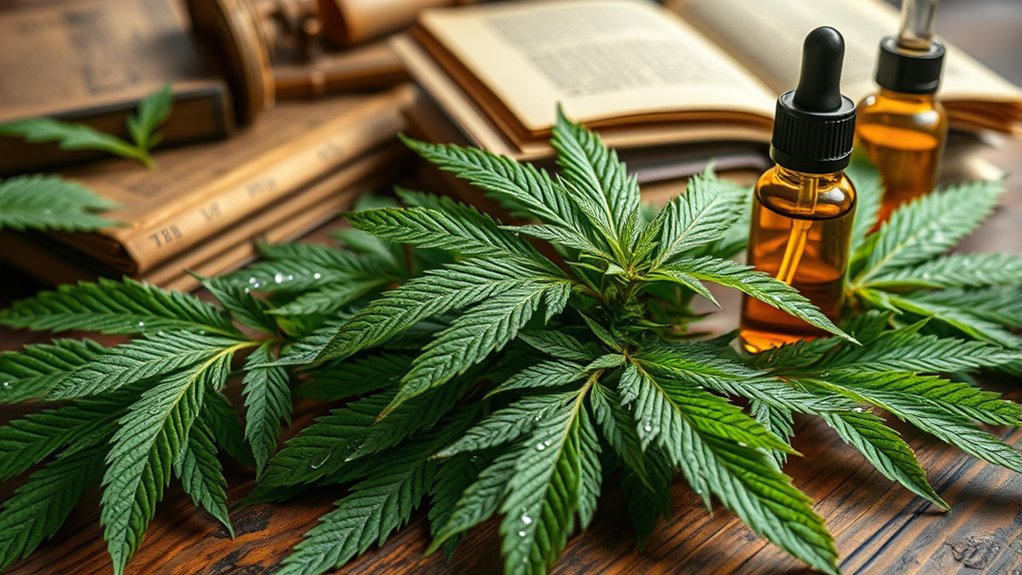

Cannabis has a long history in herbal medicine, used for everything from textiles to spiritual rituals in ancient civilizations like China and India. Despite a period of prohibition that hindered research, recent scientific advances now reveal its medical benefits, including pain relief and anti-inflammatory effects through compounds like THC and CBD. Today, cannabis is increasingly integrated into contemporary therapies and holistic practices, with future research promising even more personalized and effective treatments—more insights await as you explore further.
Key Takeaways
- Cannabis has been used for medicinal, spiritual, and practical purposes since ancient civilizations like China and India.
- Prohibition and societal biases historically limited research and access to cannabis-based therapies.
- Modern science has identified key compounds like THC and CBD, expanding understanding of their therapeutic effects.
- Legal reforms are increasingly integrating cannabis into mainstream healthcare and herbal practices.
- Combining traditional knowledge with scientific advances enhances personalized, holistic cannabis-based treatments today.
The Origins of Cannabis Use in Ancient Civilizations

Have you ever wondered where cannabis first found its place in human history? Archaeological evidence shows that ancient civilizations like China and Central Asia used cannabis thousands of years ago. Early farmers recognized its versatile uses, from fiber for textiles to medicinal applications. In China, around 2700 BCE, cannabis was documented in herbal texts for its healing properties. The plant spread along trade routes, reaching regions like India, the Middle East, and Africa. People valued it not just for practical purposes but also for spiritual rituals. These early cultures understood cannabis’s effects, using it to treat ailments and enhance their spiritual experiences. Its long-standing presence highlights its significance as one of the earliest cultivated plants for multiple purposes in human history.
Traditional Herbal Practices Featuring Cannabis

Throughout history, traditional herbal practices have integrated cannabis as a key medicinal and spiritual ingredient. In ancient cultures, cannabis was used to treat ailments, promote relaxation, and connect with spiritual spheres. Its versatility made it a staple in herbal medicine across regions. For example, in Traditional Chinese Medicine, cannabis was used for pain relief and balancing energy, while in Ayurveda, it addressed digestive issues and anxiety. These practices relied on specific plant parts, preparation methods, and dosages to maximize benefits. Below is a quick overview:
| Practice | Key Use |
|---|---|
| Chinese Medicine | Pain, energy balance |
| Ayurveda | Digestive health, anxiety |
| Native American | Spiritual rituals, healing |
These traditions highlight cannabis’s integral role in holistic healing practices worldwide.
The Shift: Prohibition and Its Impact on Medical Cannabis
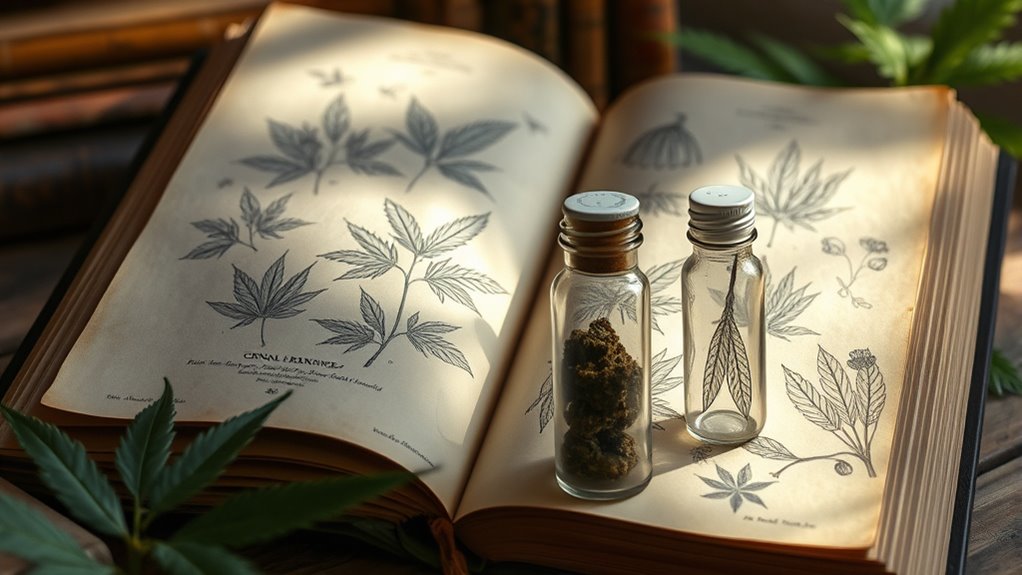
Prohibition has led to criminalization and stigma around medical cannabis, making it harder for patients to seek help openly. This shift also created significant barriers to research and access, slowing progress and understanding of its benefits. As a result, many who could benefit remain without reliable options.
Criminalization and Stigma
Why did society associate cannabis with criminality for so long? It was fueled by misinformation, racial biases, and fear-mongering campaigns that painted cannabis users as threats to social order. Lawmakers linked the plant to marginalized communities, fueling stereotypes that justified harsh penalties. This criminalization reinforced stigma, making it difficult for people to view cannabis as a legitimate medicine or herb. Instead, it became a symbol of deviance, discouraging open discussion and research. The societal push for prohibition created a cycle where fear and misunderstanding thrived, shaping public opinion against cannabis for decades. Even today, this legacy influences attitudes, making it hard for many to accept cannabis’s medicinal benefits without prejudice or suspicion. Overcoming this stigma requires ongoing education and cultural change.
Research and Access Barriers
The legacy of prohibition has created significant barriers to research and access for medical cannabis. Because of strict regulations, studying cannabis’s medicinal properties is difficult, limiting scientific understanding. Researchers often face bureaucracy, limited funding, and legal hurdles, which slow progress. Access is also restricted; patients struggle to find consistent, legal sources, especially where laws remain restrictive. This creates disparities in treatment options and delays the development of new therapies. The controlled substance status of cannabis hampers investment from pharmaceutical companies, further stalling innovation. Consequently, many potential benefits remain underexplored, and patients in need often face unnecessary obstacles. Overcoming these barriers requires policy reform and increased support for research, enabling a clearer understanding of cannabis’s medical potential and more accessible treatment options.
Resurgence: Scientific Discoveries and Modern Research
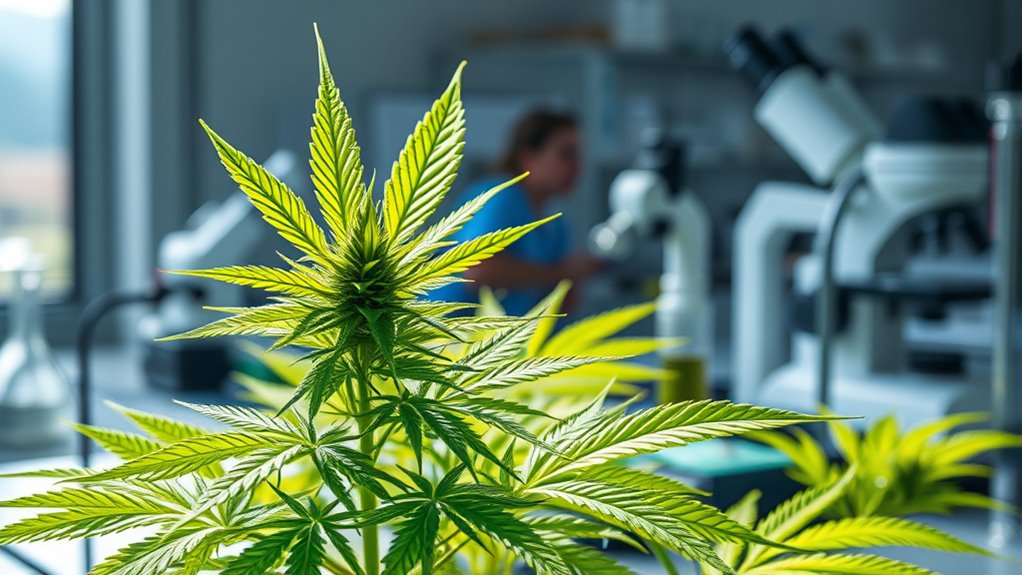
Recent scientific breakthroughs have ignited a renewed interest in cannabis within herbology, revealing its complex biochemical properties and therapeutic potential. Researchers have identified numerous cannabinoids, terpenes, and flavonoids that interact with your body’s endocannabinoid system, influencing pain, inflammation, and mood. Advanced imaging techniques and molecular studies have uncovered how these compounds work at a cellular level, providing evidence for their benefits beyond traditional uses. Modern research also explores delivery methods, dosage, and safety profiles, making cannabis more accessible and better understood. This surge of scientific knowledge shifts perceptions, encouraging a more evidence-based approach to integrating cannabis into herbal practices. As a result, you now have access to a growing body of research that supports its role in holistic health and potential therapeutic applications.
The Role of Cannabis in Contemporary Medicine
Cannabis is increasingly used in medicine for its potential to relieve pain, reduce inflammation, and manage symptoms like nausea. However, steering the legal landscape remains complex, with regulations varying widely by region. Understanding these benefits and challenges helps you better grasp how cannabis fits into modern healthcare.
Medical Benefits and Applications
Have you ever wondered how a plant once stigmatized as merely recreational now plays a role in modern medicine? Cannabis offers notable medical benefits, providing relief for chronic pain, nausea, and muscle spasms. Its active compounds, cannabinoids like THC and CBD, interact with your body’s endocannabinoid system to promote homeostasis. Medical cannabis is used to manage symptoms of conditions such as multiple sclerosis, epilepsy, and cancer treatment side effects. It can reduce inflammation, improve sleep, and ease anxiety. Researchers are continually uncovering new applications, making cannabis a versatile therapeutic option. As a result, many healthcare providers now incorporate cannabis-based treatments into their practices, recognizing its potential to improve quality of life for patients with various ailments.
Regulatory and Legal Challenges
While the medical benefits of cannabis continue to gain recognition, maneuvering the complex landscape of regulations and laws remains a significant hurdle. You face challenges such as:
- Navigating varying state and federal laws that often conflict.
- Overcoming restrictions on research and clinical trials.
- Addressing licensing and distribution hurdles that limit access.
- Dealing with legal ambiguities that threaten practitioners and patients alike.
These obstacles can slow innovation and limit patient access to promising treatments. Despite growing acceptance, cannabis remains a Schedule I substance at the federal level, complicating its integration into mainstream medicine. You must stay informed and adaptable to steer this evolving legal terrain successfully. Understanding these challenges is vital to advocating for more consistent, fair policies that support medical progress.
Legal Changes and Their Influence on Herbology

Recent legal changes have markedly transformed the landscape of herbology, making cannabis more accessible for therapeutic and research purposes. As laws relax in many regions, you now have greater opportunities to explore cannabis’s potential benefits. This shift encourages more scientific studies, leading to a better understanding of its medicinal properties. It also means you can access cannabis products through legal channels, ensuring quality and safety. These changes foster a more open dialogue about herbology’s role in medicine, reducing stigma and promoting integration into mainstream healthcare. However, you should stay informed about local regulations, as legal statuses can vary widely. Overall, these legal reforms profoundly enhance your ability to use cannabis responsibly and confidently within a modern herbological framework.
Key Compounds: THC, CBD, and Therapeutic Potential
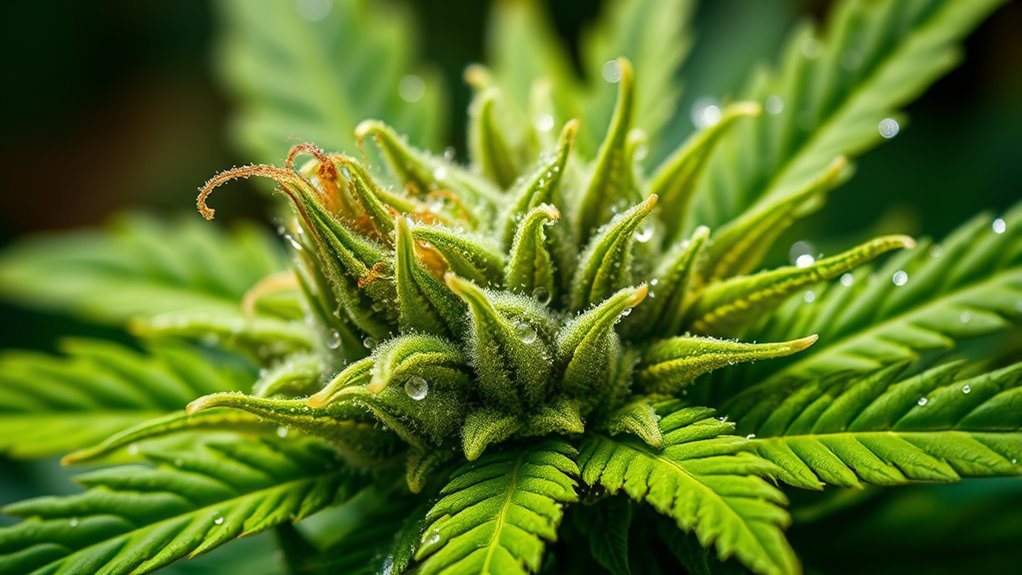
Cannabis contains several key compounds that drive its therapeutic effects, with THC (tetrahydrocannabinol) and CBD (cannabidiol) being the most prominent. THC is known for its psychoactive properties and pain relief, while CBD offers anti-inflammatory and anxiolytic benefits without mind-altering effects. These compounds interact with your body’s endocannabinoid system, influencing various functions. To understand their impact, consider:
Cannabis compounds like THC and CBD promote pain relief, reduce inflammation, and support overall health.
- THC’s ability to reduce chronic pain and stimulate appetite.
- CBD’s role in decreasing inflammation and easing anxiety.
- The synergy between THC and CBD enhancing overall therapeutic effects.
- The potential of these compounds to treat conditions like epilepsy, multiple sclerosis, and PTSD.
Together, they form the foundation of modern medicinal cannabis, offering diverse healing possibilities.
Integrating Cannabis Into Holistic and Herbal Practices
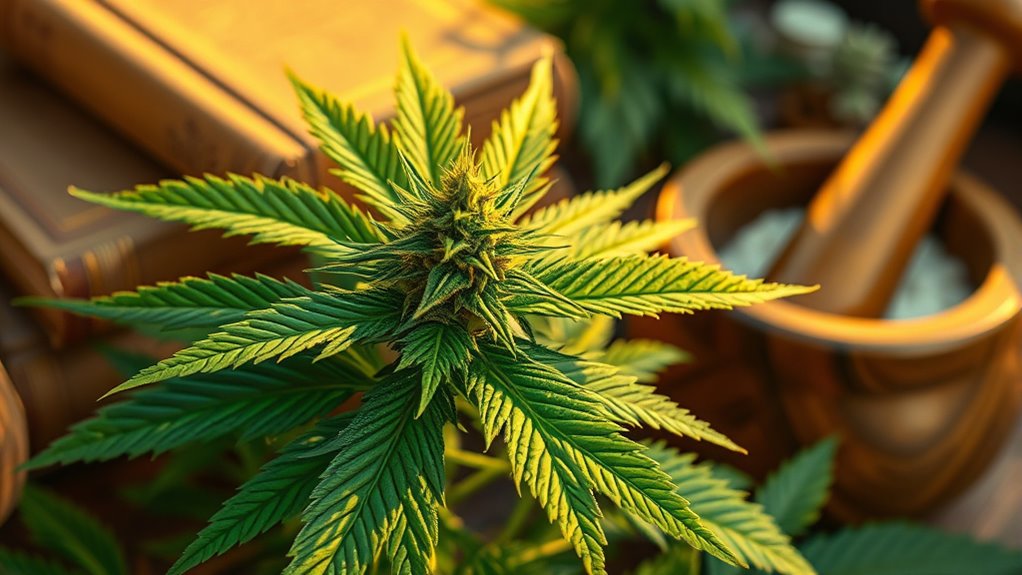
Integrating cannabis into holistic and herbal practices offers a natural approach to supporting health and well-being. You can incorporate cannabis alongside other herbs to create personalized remedies that target specific concerns like stress, inflammation, or sleep issues. When used mindfully, cannabis complements practices such as aromatherapy, massage, or herbal teas, enhancing their benefits. It’s important to understand the different strains, methods of consumption, and dosages to maximize safety and effectiveness. Combining cannabis with traditional herbs allows for synergistic effects, promoting balance and healing. Always prioritize quality and source your cannabis from reputable suppliers. By integrating it thoughtfully into your holistic routines, you can harness its full potential as part of a thorough approach to wellness.
Future Directions in Cannabis-Based Healing

As research continues to uncover the therapeutic potential of cannabis, new possibilities emerge for its role in future healing practices. You can expect advancements that will refine how we use cannabis for health, focusing on targeted treatments and personalized medicine. Here’s what the future holds:
- Development of more precise cannabinoid formulations tailored to individual needs.
- Integration of cannabis-based therapies into mainstream medicine and clinics.
- Enhanced understanding of CBD and THC interactions to optimize efficacy.
- Innovative delivery methods, like transdermal patches or inhalers, for faster relief.
These advancements will make cannabis a more versatile and accessible tool in your wellness journey, blending ancient wisdom with cutting-edge science for better health outcomes.
Frequently Asked Questions
How Has Cannabis Cultivation Evolved Over Millennia?
Over millennia, you’ve seen cannabis cultivation evolve from simple, small-scale farming to sophisticated, selective breeding techniques. Early growers focused on local varieties for medicinal and ritual use. Today, you benefit from advanced methods like hydroponics, genetic engineering, and climate control, which produce higher yields and specific traits. This evolution allows for tailored strains optimized for medicinal, industrial, and recreational purposes, reflecting your changing needs and scientific progress.
What Are the Cultural Differences in Cannabis Use Globally?
Like a tapestry woven with diverse threads, cannabis use varies globally. In some cultures, you might see it embraced as a sacred ritual or medicine, while others see it as recreational or taboo. In places like the Netherlands, you can freely enjoy it, but in countries like Singapore, penalties are severe. Your perspective on cannabis depends heavily on local traditions, laws, and social attitudes shaping its cultural role worldwide.
Are There Any Risks Associated With Medicinal Cannabis?
You should be aware that medicinal cannabis carries some risks, such as potential dependency, impaired cognitive function, and side effects like dizziness or dry mouth. It may also interact with other medications you’re taking. Always consult your healthcare provider before starting cannabis therapy to guarantee it’s safe for your specific health needs. Monitoring your response and adhering to prescribed dosages helps minimize these risks and maximizes benefits.
How Do Different Cannabis Strains Vary in Medicinal Benefits?
Think of cannabis strains like musical instruments, each producing a unique melody of benefits. Sativa strains often energize and boost creativity, perfect for daytime use. Indicas, with their calming hum, help you unwind and ease pain. Hybrid strains blend these qualities, offering tailored effects. By understanding their cannabinoid profiles, you can choose the right strain to harmonize with your needs, turning medicinal use into a symphony of relief.
What Ethical Considerations Surround Modern Cannabis Research?
You should consider that ethical concerns in cannabis research include ensuring participant safety, obtaining informed consent, and avoiding exploitation. You need to address issues like potential addiction, equitable access, and the impact on vulnerable populations. Additionally, you must navigate legal regulations and societal perceptions, making sure your research promotes responsible use and benefits public health without compromising moral standards or risking misuse.
Conclusion
As you explore cannabis’s journey from ancient remedy to modern medicine, remember that history often repeats itself—what was once dismissed may become essential again. Embrace the evolving science and tradition, balancing innovation with respect for its roots. By understanding cannabis’s rich legacy, you’re better equipped to harness its potential responsibly. As the adage goes, “The more things change, the more they stay the same,” reminding you to approach this herb with both curiosity and caution.