
Herbs like turmeric, ginger, and chamomile can support your recovery by reducing inflammation, easing pain, and boosting your immune system. They may help soothe swollen tissues and improve overall comfort, offering natural relief alongside your medical treatments. However, it’s important to consult your healthcare provider before adding herbs, as some can interact with medications or cause side effects. To discover more about how herbs can help you heal, keep exploring these options.
Key Takeaways
- Herbs like turmeric and ginger contain anti-inflammatory compounds that may reduce swelling and discomfort post-surgery.
- Incorporating herbs through teas, supplements, or topical applications can support pain relief naturally.
- Some herbs, such as willow bark, have analgesic properties similar to over-the-counter pain medications.
- Always consult healthcare providers before using herbs, as they may interact with medications or affect blood clotting.
- Evidence suggests that herbs can complement traditional treatments, potentially enhancing recovery and reducing reliance on pharmaceuticals.
Common Herbs Used in Post-Surgery Recovery

While medical treatments are essential after surgery, many people turn to herbs to support recovery and manage pain. Common herbs include aloe vera, which soothes skin and promotes healing, and chamomile, known for its calming effects that can help reduce stress. Echinacea is often used to boost the immune system, potentially preventing infections. Ginger is popular for its anti-inflammatory properties and ability to settle the stomach, especially if nausea occurs post-surgery. Turmeric contains curcumin, which may support healing by reducing inflammation. These herbs can be incorporated into teas, topical applications, or supplements, offering natural options alongside traditional medicine. Always consult your healthcare provider before adding herbs to your recovery plan to guarantee they’re safe and appropriate for your specific situation.
How Herbs May Alleviate Pain and Reduce Inflammation

Herbs have long been valued for their natural ability to ease pain and reduce inflammation, making them a popular choice during recovery. Many herbs contain compounds that target inflammation at its source, helping to soothe swollen tissues and lessen discomfort. For example, turmeric’s curcumin has anti-inflammatory properties that may decrease swelling and improve mobility. Ginger also offers natural pain relief and reduces inflammation by inhibiting certain enzymes involved in inflammatory processes. Willow bark contains salicin, a precursor to aspirin, which can help dull pain. When you incorporate these herbs into your recovery routine, you’re providing your body with gentle, plant-based support to manage pain and decrease inflammation, potentially speeding up your healing process without relying solely on pharmaceutical options.
Safety Considerations When Incorporating Herbs After Surgery

Incorporating herbs into your post-surgery recovery can offer benefits, but it’s essential to take safety precautions to prevent complications. Always consult your healthcare provider before adding any herbs, especially if you’re on medication or have underlying conditions. Some herbs can interfere with blood clotting, blood pressure, or interact with prescriptions, risking bleeding or delayed healing. Be aware of proper dosages and avoid herbs with known side effects. Use quality sources and follow preparation instructions carefully. Here’s a quick overview:
| Herb | Safety Tip |
|---|---|
| Garlic | May thin blood; monitor intake if on blood thinners |
| Ginseng | Could raise blood pressure; consult your doctor |
| Echinacea | Allergic reactions possible; start with small doses |
| St. John’s Wort | Interacts with many medications; avoid without guidance |
| Turmeric | Use in moderation; excessive amounts may cause stomach issues |
Evidence Supporting the Use of Herbs for Healing

Research indicates that certain herbs can effectively support the body’s healing process after surgery. Numerous studies have shown that herbs like turmeric, ginger, and echinacea possess anti-inflammatory and immune-boosting properties, which can aid recovery. For example, turmeric contains curcumin, known to reduce inflammation and promote tissue repair. Ginger has been found to alleviate nausea and improve circulation, supporting healing efforts. Echinacea, traditionally used to fight infections, may help prevent post-surgical infections and speed up recovery. While results vary depending on individual factors, scientific evidence suggests these herbs can complement conventional treatments. Incorporating them thoughtfully into your recovery plan could enhance healing and reduce discomfort, but always consult your healthcare provider before adding any herbal remedies to guarantee safety and appropriateness for your specific situation.
Methods of Incorporating Herbs Into Your Recovery Routine
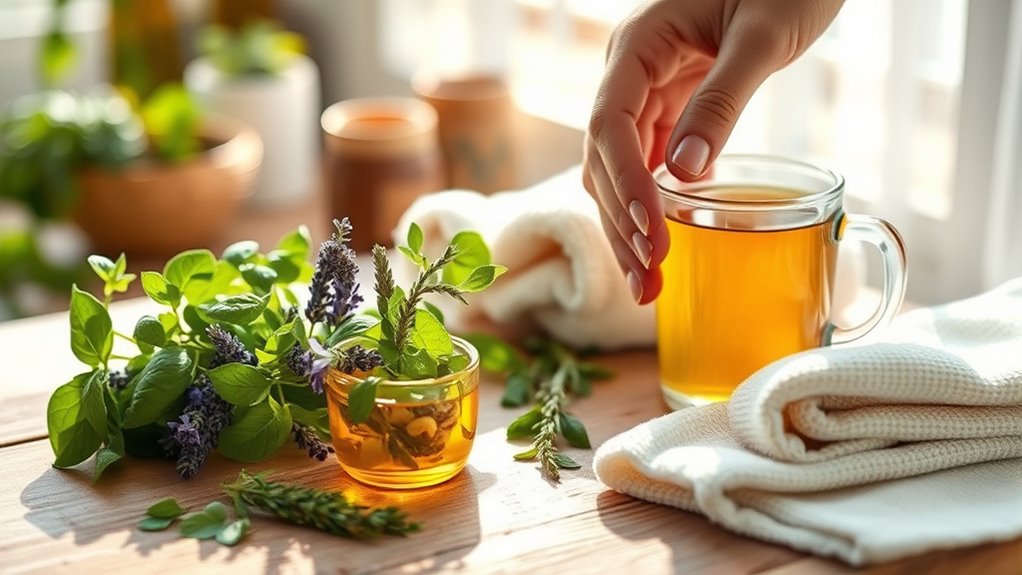
To effectively support your recovery with herbs, it’s important to know how to include them safely and conveniently in your routine. You can brew herbal teas using dried herbs like chamomile or ginger, which can soothe discomfort and promote relaxation. Incorporating tinctures or extracts is another option; simply add a few drops to water or juice as directed. Capsules or tablets offer a straightforward, measured dose without flavor concerns. Topical applications, such as herbal salves or poultices, can be directly applied to sore areas to reduce inflammation and pain. Smoothies or post-meal additions with herbs like turmeric or cinnamon also boost your intake discreetly. Choose methods that fit your preferences and lifestyle to ensure consistency and maximize healing benefits.
Potential Risks and Interactions to Be Aware Of

You need to be aware of potential risks when using herbs after surgery, especially interactions with your medications. Some herbs can increase bleeding or affect clotting, which might complicate your recovery. Additionally, allergic reactions are possible, so it’s important to stay alert to any unusual symptoms.
Herb Interactions With Medications
Herbs can interact with medications in ways that may increase side effects or reduce effectiveness, especially after surgery when pain management is vital. These interactions can alter how your body absorbs, metabolizes, or responds to drugs, potentially causing complications. For example, some herbs may enhance sedation, increase bleeding risk, or interfere with painkillers. It’s essential to be aware of these risks before combining herbal remedies with prescribed medications.
- St. John’s Wort can reduce the effectiveness of pain medications and antidepressants.
- Ginseng may interfere with blood sugar control or blood pressure medications.
- Valerian or chamomile might amplify sedative effects, leading to excessive drowsiness.
Always consult your healthcare provider before adding herbs to your post-surgery regimen to guarantee safety.
Bleeding and Clotting Risks
Post-surgery, certain herbs can increase bleeding risks or interfere with your body’s clotting process, which may lead to complications. Herbs like garlic, ginger, ginseng, and ginkgo have blood-thinning properties that can prolong bleeding during and after your procedure. If you take blood thinners or have a bleeding disorder, these herbs could worsen bleeding or cause hematomas. It’s important to cease using these herbs well before surgery, often at least two weeks prior, after consulting your healthcare provider. Combining herbs with medications that affect clotting can also increase the risk of uncontrolled bleeding. Always inform your medical team about any herbal supplements you’re taking to ensure a safe recovery and prevent any unexpected bleeding issues.
Allergic Reactions Potential
While herbal supplements can support your health, they also pose a risk of allergic reactions that may complicate your recovery. You might experience symptoms like skin rashes, swelling, or difficulty breathing if you’re allergic to certain herbs. It’s vital to identify potential allergens before adding herbs to your post-surgery routine. Be cautious of herbs like echinacea, chamomile, or turmeric, which can trigger allergies in some people. Always consult your healthcare provider before trying new herbal remedies. Monitoring your body’s response is key to avoiding adverse effects. If you notice any unusual symptoms, seek medical help immediately. Staying informed about possible allergic reactions helps guarantee that your herbal support aids your recovery rather than hinders it.
Frequently Asked Questions
Can Herbs Replace Conventional Pain Medication After Surgery?
No, herbs can’t replace conventional pain medication after surgery. While some herbs may help reduce mild discomfort or support healing, they aren’t proven to manage severe pain effectively or safely substitute prescribed drugs. You should always follow your healthcare provider’s advice and use herbs as complementary therapies, not replacements. Relying solely on herbs could delay proper pain management, risking complications and prolonged recovery.
Are There Specific Herbs Recommended for Different Types of Surgery?
Think of herbs as gentle guides on your healing journey. For orthopedic surgery, try arnica to reduce swelling, while lavender can soothe nerves after abdominal procedures. For dental surgeries, clove offers natural pain relief, and chamomile calms inflammation. Always consult your healthcare provider before using herbs, as they work best when tailored to your specific surgery type. With the right herbs, you can support your recovery naturally.
How Long Should Herbal Remedies Be Used During Recovery?
You should generally use herbal remedies for about one to two weeks after surgery, but this varies based on your specific situation and the herbs used. Follow your healthcare provider’s guidance, as they can recommend appropriate duration and dosage. Don’t rely solely on herbs—combine them with proper medical care and rest, and monitor your body’s response. If you notice any adverse effects, stop use and consult your doctor immediately.
Are There Any Herbs That Help Prevent Post-Surgical Infections?
Yes, certain herbs like garlic, turmeric, and echinacea have antibacterial and anti-inflammatory properties that can help prevent post-surgical infections. You should incorporate these herbs into your diet or use them as supplements, but always consult your healthcare provider beforehand. Proper wound care remains essential, and herbs should complement, not replace, standard medical treatments. Using herbs wisely can support your recovery and reduce infection risks effectively.
What Are the Signs of Adverse Reactions to Herbal Supplements?
Be vigilant for warning signs when taking herbal supplements. You might notice nausea, dizziness, or rash, which signal adverse reactions. Swelling, difficulty breathing, or severe stomach pain are serious symptoms needing urgent attention. Always watch for unusual discomfort or allergic responses. Keep track of any changes, and consult your healthcare provider promptly if you suspect a side effect. Staying alert helps safeguard your health during recovery.
Conclusion
Incorporating herbs into your post-surgery recovery can offer natural relief, with studies showing that up to 60% of patients use herbal remedies alongside conventional treatments. While herbs like turmeric and ginger may help reduce inflammation and pain, always consult your healthcare provider first. By staying informed and cautious, you can safely harness nature’s healing power to support your recovery journey and potentially improve your comfort during this vital time.